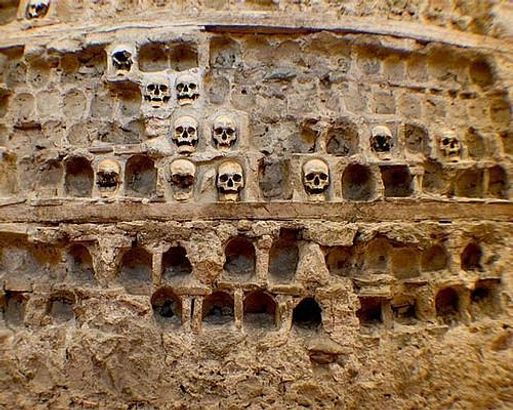
The Skull Tower (Ćele Kula) in Serbia is a unique historical monument in Niš, built from the skulls of Serbian rebels who fought against the Ottoman Empire in 1809. It stands as a powerful symbol of resistance and sacrifice, attracting visitors interested in Serbia’s history and struggle for independence.
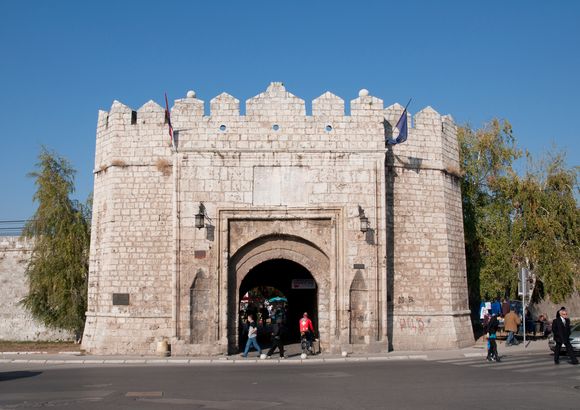
The Niš Fortress is an important cultural and historical site that has become a symbol of the entire city. It was built by the Turks in the 18th century, during the Ottoman Empire, and the foundation was an old fortress left over from the Romans. Today, the fortress is home to a cozy, shady park, and from the hill on which it stands, you can enjoy a panoramic view of the city.

Restoran Bravado (Sremska 30, Niš) is an elegant, mid‑upscale restaurant seating around 70 inside plus a 50‑seat summer garden. The menu features steak, veal, goulash, risotto, seafood, pizzas and pasta, all made with high-quality ingredients. With stylish décor, attentive service, and live weekend music (’70s and ’80s hits), it’s a popular spot for romantic dinners, business meetings, or a calm escape from the city hustle.
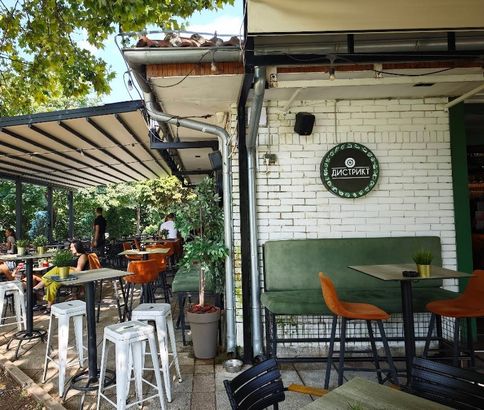
A stylish and trendy loft-style coffee shop where you can eat (they serve breakfasts, sandwiches, salads, tortillas, desserts) and drink coffee, soda, cocktails and alcoholic beverages.
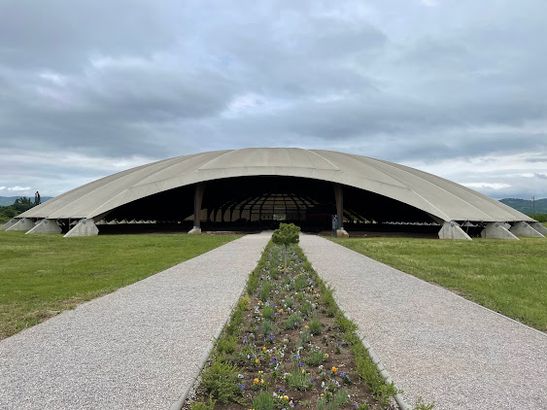
Medijana is a historical and archaeological site near Niš, Serbia. It was a luxurious Roman imperial residence and palace complex, showcasing well-preserved mosaics, ancient ruins, and artifacts. Today, it’s a popular cultural landmark where visitors can explore Roman history, relax in park surroundings, and enjoy outdoor events.
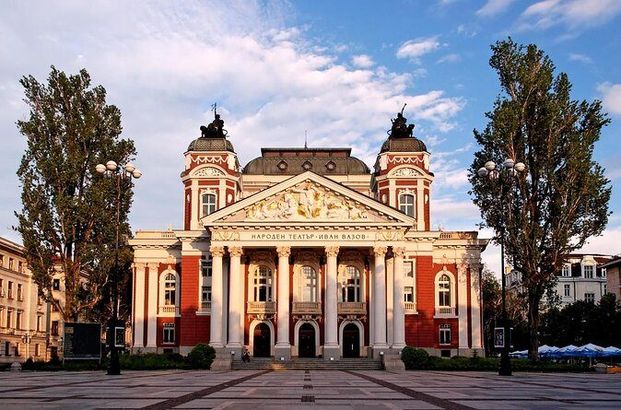
Named after one of Bulgaria’s most esteemed writers, the Ivan Vazov National Theatre has been drawing audiences since 1907. The national theater is also the country’s largest and oldest, and is known for its productions, neoclassical architecture, and history. Cementing its status as a national icon, the theater’s colonnaded façade can be seen on 50-lev banknotes.
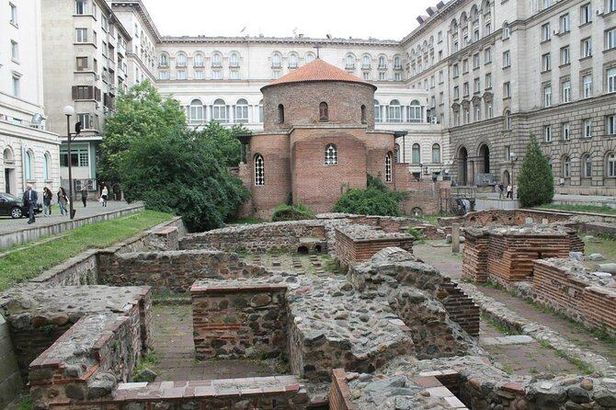
Also known as the St. George Rotunda, Sofia's early-Christian Church of St. George was originally built by Romans during the 4th century, making it one of Bulgaria’s oldest buildings. Today, the church attracts visitors with its medieval frescoes, varied architecture, and Roman-era ruins that surround it.
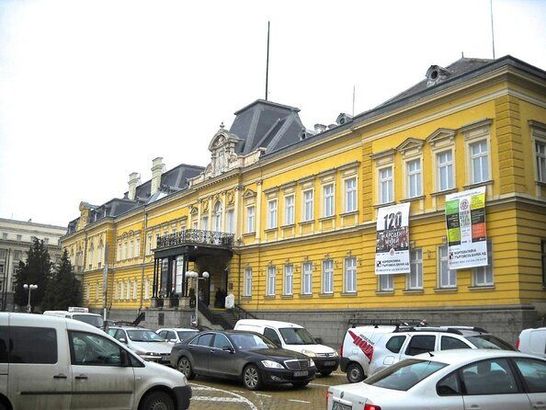
The Sofia National Gallery is Bulgaria’s largest art museum, boasting a collection of more than 42,000 pieces. First established in the early 20th century, the gallery moved into the former Royal Palace in 1946, and has since grown to several branches across Sofia, including the Kvadrat 500 and Museum of Socialist Art.
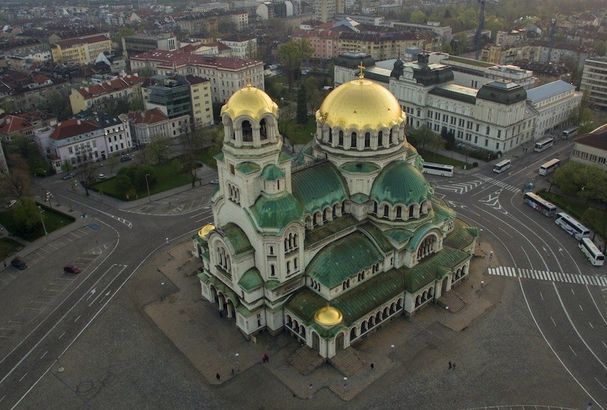
Situated in the heart of the stunning city of Sofia is the iconic symbol of Bulgaria: the Aleksander Nevsky Cathedral. Paid for by the people of the city and built between the years 1882 and 1912, the cathedral was constructed to honor the lives of the 200,000 Russian soldiers who were killed fighting in the Russo-Turkish war for Bulgaria’s freedom from the rule of the Ottomans.
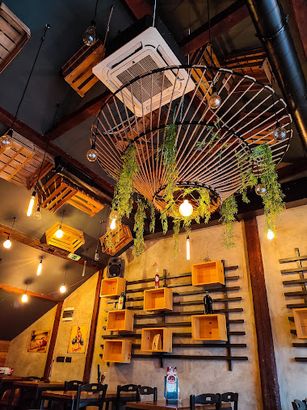
Restaurant Taverna in Kruševac is a casual bistro offering pizzas, grilled dishes, sandwiches, and sweet or savory crepes. Known for generous portions, fair prices, and a relaxed atmosphere, it's a popular spot for any time of day, with delivery available.
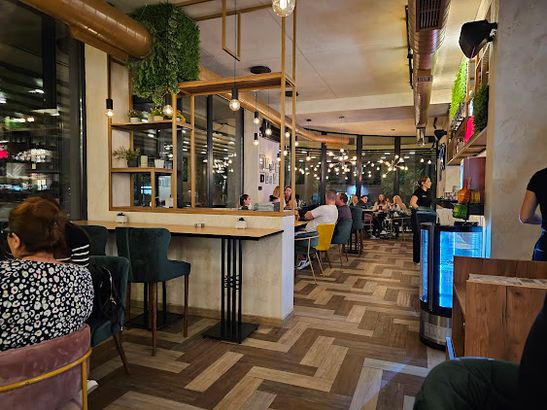
Magazin in Niš is a spacious, modern café-bar located on Bulevar Svetog Pantelejmona. Open daily from early morning to late evening (extended hours on weekends), it offers coffee, light meals, and snacks. With its relaxed atmosphere and large seating area, it’s a great spot for work, casual meetups, or evening hangouts.
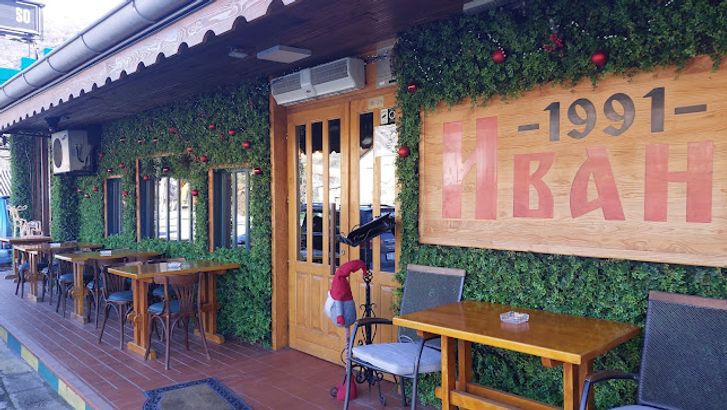
Kafana Ivan is a traditional Serbian tavern near Niš, known for its roasted lamb and pork, homemade bread, and hearty local dishes. Set in a rustic village atmosphere, it offers warm hospitality and a cozy setting, ideal for a relaxed, authentic meal.
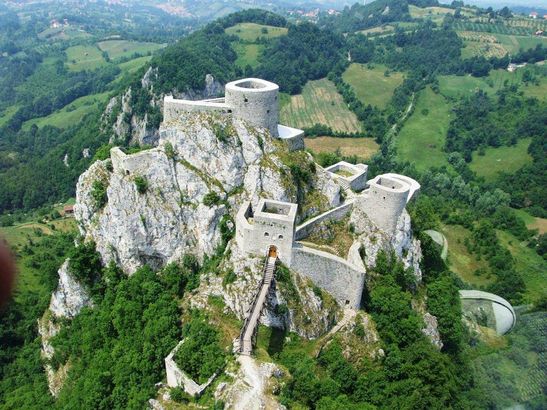
Srebrenik Fortress is a fortress located near the city of Srebrenik in Bosnia and Herzegovina. This place is definitely worth a visit if you are in the area. The views are great, the nature is beautiful and the architecture is very impressive.
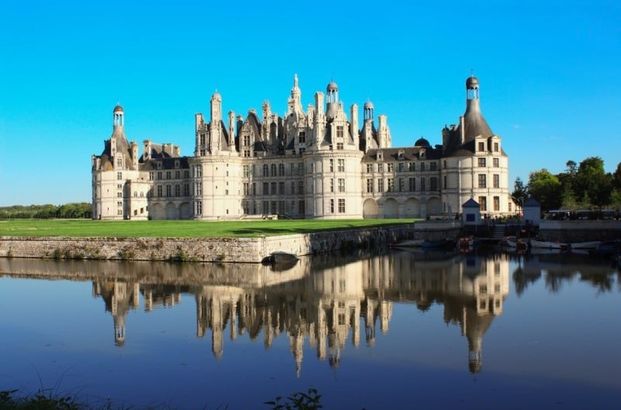
Chambord, as we know, is the largest of the giant châteaux in the Loire Valley, built as a "humble" hunting lodge by François I, he who loved to build. Picture this: a mixture of medieval and Renaissance with 440 rooms, 282 fireplaces and 80 or so staircases, including the famous double-helix which some believe may have been inspired by Leonardo da Vinci, a friend of the king.
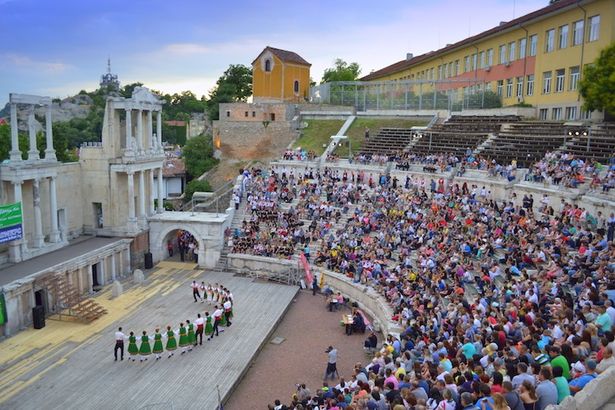
In the center of Plovdiv Old Town is one of the world’s best preserved ancient theaters. Discovered in the 1960s, the spectacularly striking structure dates back to the 1st century AD and is thought to have been built under the rule of the Roman Emperor Domitian.
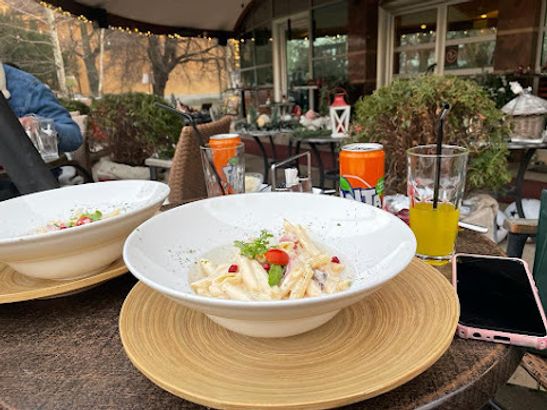
ntermezzo in Loznica is a charming café‑pizzeria nestled in the city center along the Stira river. With a picturesque terrace bridging both banks, it blends relaxed ambiance and fresh, quality ingredients. Open daily from morning until midnight, it’s a local favorite for coffee, pizza, and casual dining
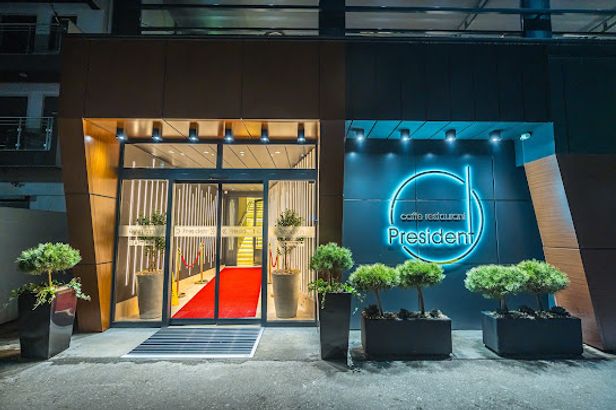
Caffe Restoran President in Loznica offers a refined dining experience in a stylish, modern interior. The menu blends international and local cuisine with standout dishes like Tournedos Rossini and crispy calamari. Known for its excellent service, fast and friendly staff, and great value, it’s a top choice for breakfast, lunch, or dinner.
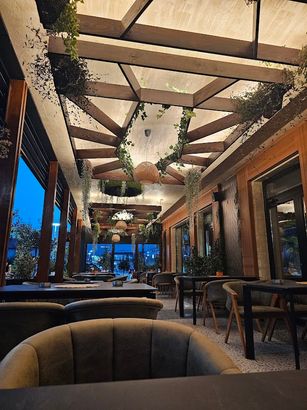
Caffe Restoran Parlament in Loznica is a modern, international café-restaurant with a stylish interior and friendly atmosphere. Open daily from early morning until late evening, it offers a varied menu of international dishes and beverages. With seating for about 90 guests and a summer terrace for around 40, it’s ideal for casual dining, corporate events, and social gatherings

The fortress was founded by the Freising bishops, and it belonged to them for more than two centuries, performing exclusively defensive functions. Each owner tried to leave something of their own in the architecture, the changes were not always useful. Among the most significant changes is the drawbridge, as well as the paintings of the chapel. In the 17th century, the building was slightly modified, it began to look like a noble estate. It burned down some time ago, and was abandoned for a long time.
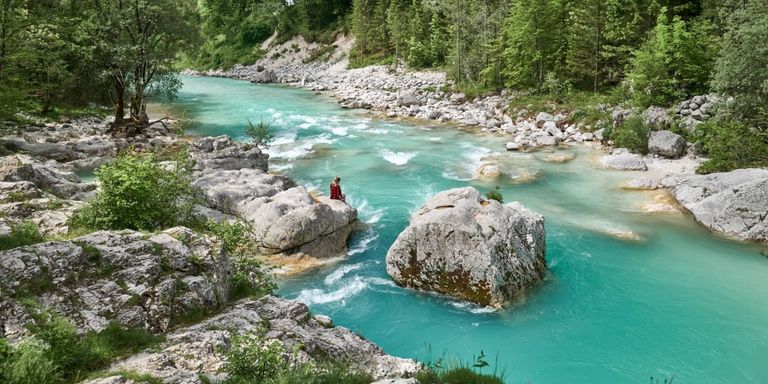
The river itself deserves special attention, it has a turquoise color, it originates deep in the valley, surrounded by the Alps. At one time, the valley was used as an important trade route, large settlements were located on its expanses. Numerous archaeological finds are proof of this.