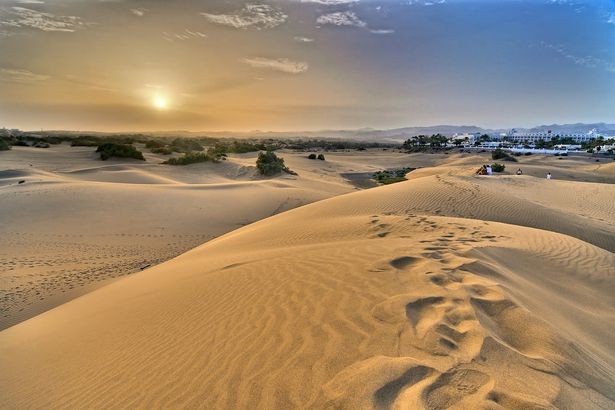
These natural creations look almost alive - their outlines are constantly changing under the influence of the wind. The dunes are part of the Maspalomas Nature Reserve, the area of which is a thousand hectares includes two ecosystems - sand dunes and a lagoon. Due to the protection of this territory by a mountain range, the weather here is dry and warm all year round.
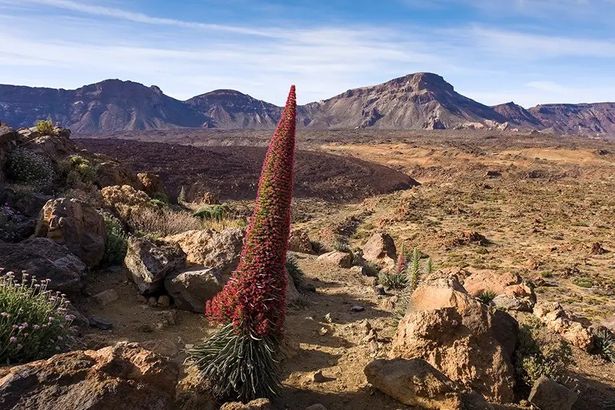
The island of Tenerife, famous for its volcanic activity, was created as the Teide National Park in 1954. The desert landscape gives the impression of a plight of flora and fauna on the island, but this is far from true. There are several endemic animals, including the unique South Tenerife lizard, which has an unusual blue color.
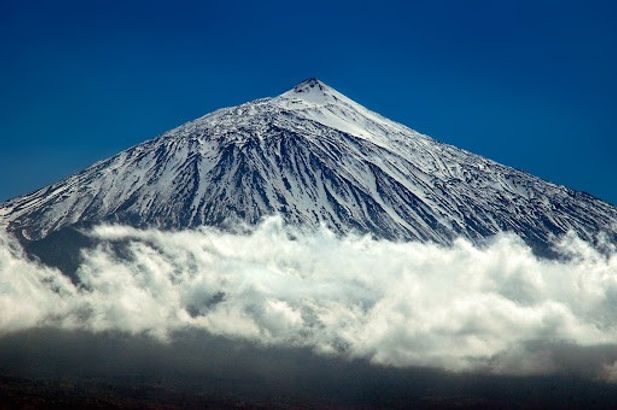
This volcanic peak attracts tourists with its stunning landscapes and majestic views. From its summit, there is a breathtaking view of the island and the surrounding sea.

One of the most beautiful beaches in Tenerife with unusual black sand. This color is due to its volcanic origin. The locals sometimes call the rocks around crocodile teeth for their sharp peaks. This beach is not one of the calm ones. Storms often happen here, the waves can be very big - ideal for surfing. Many people come here just to lie on the black sand and admire the scenery.
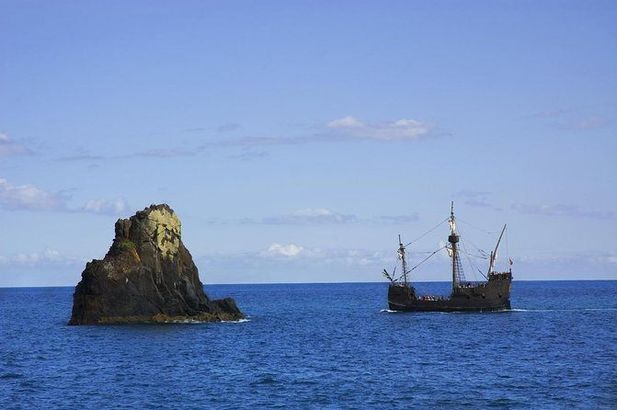
When Columbus set sail for the New World in 1492, he did so on the Niña, the Pinta, and his flagship vessel, the Santa Maria. While the original Santa Maria did not survive the voyage, this recreation has been a highlight of Funchal and the Madeira region since its debut in 1998, and welcomes visitors aboard for sailing trips.
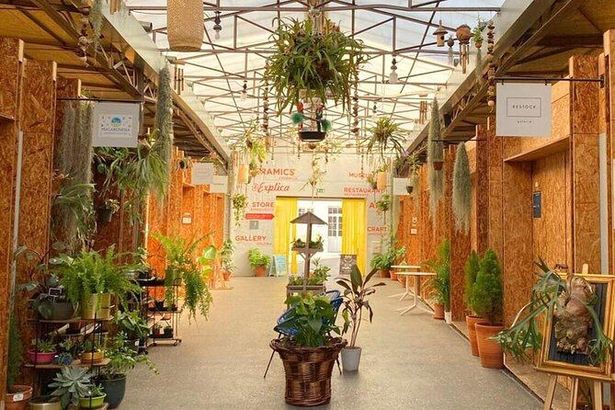
Located in the heart of Funchal’s Old Town, Armazém do Mercado is a commercial hub that combines traditional and contemporary Portuguese culture. Home to everything from art galleries and museums to boutiques and restaurants, the market provides an alternative to standard malls and souvenir shops.
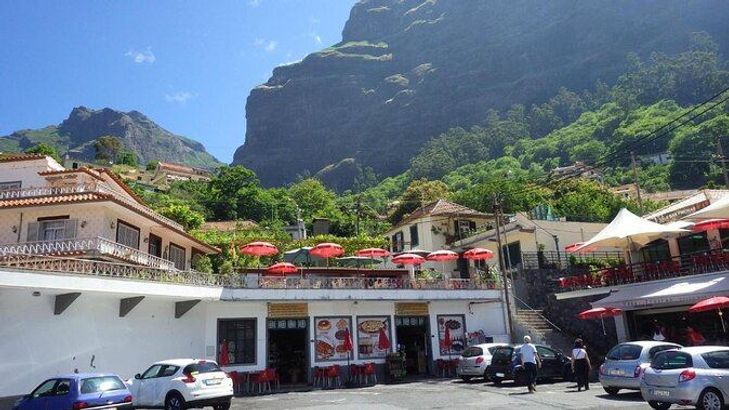
Surrounded by steep mountains, the village of Curral das Freiras (Valley of the Nuns) seems like an impossible place to access when viewed from the Eira do Serrado lookout point. But its remote location is exactly why it was embraced by the escaped slaves and nuns who fled from pirates in Funchal.
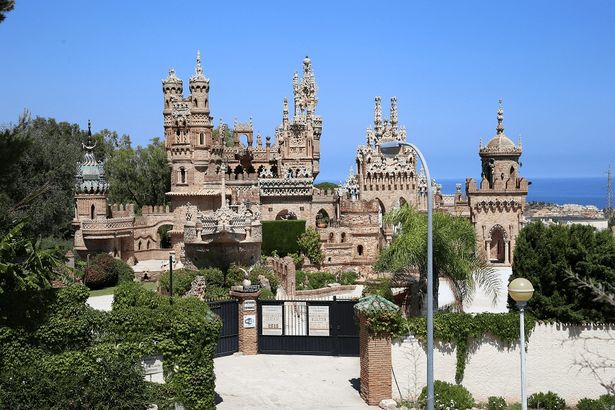
Castillo de Colomares is a monument in the form of a castle dedicated to the life and adventures of Christopher Columbus. The building is the work of Esteban Martin and combines influences from various architectural styles such as neo-Byzantine, neo-Romanesque, neo-Gothic and neo-Mudejar. The materials used are brick, stone and cement. The interior has stained glass windows.
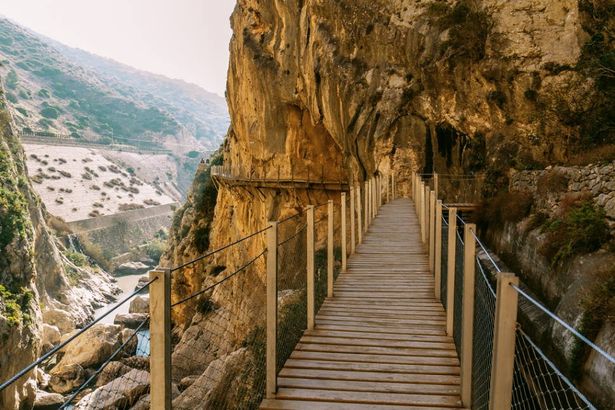
This trail in Malaga was once considered the most dangerous in the world. Today, you can feel completely safe if you decide to walk it, although you may still feel dizzy. And that's because the Gaitán Gorge, dug out by the Guadalhorce River, through which you'll pass, reaches a depth of 700 meters. Do you dare to look down? It's worth it.
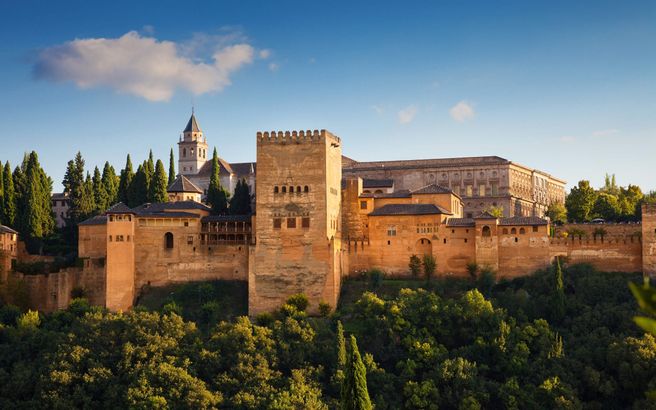
The vast territory is occupied by a picturesque park with terraces, ponds, flower beds, alleys and orchards. This splendor is complemented by an ensemble of several palaces, with characteristic stained glass windows and many carved elements in the design. There are mosques, baths, a monastery, fortress towers and the palace of Charles V, which stands out among the entire ensemble.

On the territory of 140 m2 there is a whole ensemble of buildings, mostly in the neo-Moorish style. This magnificence is complemented by beautiful fountains, ponds, flower beds, verandas and a green park. Tourists scurry around the square every now and then in search of the best place for a photo, but the fact is that the Plaza de España is photogenic from any side.
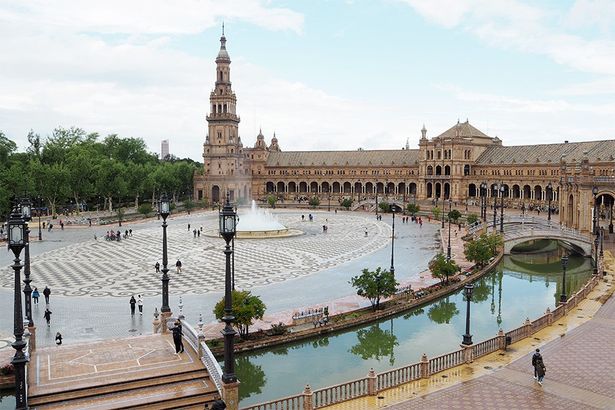
On the territory of 140 m2 there is a whole ensemble of buildings, mostly in the neo-Moorish style. This magnificence is complemented by beautiful fountains, ponds, flower beds, verandas and a green park. Tourists scurry around the square every now and then in search of the best place for a photo, but the fact is that the Plaza de España is photogenic from any side.
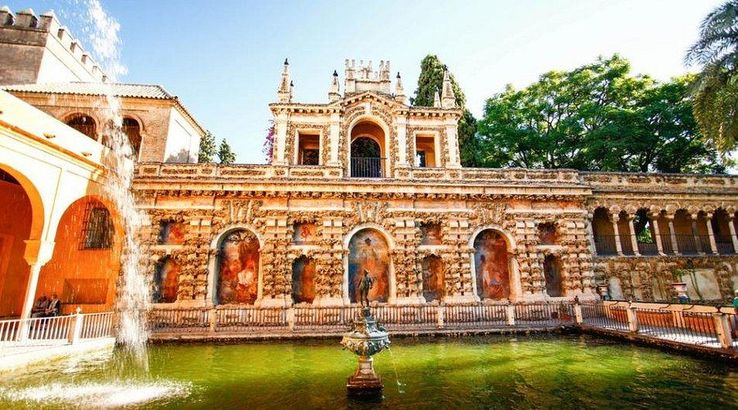
This unique style combines Gothic and Moorish elements, creating a symbiosis of Eastern and Western culture. The Seville Palace, like the 7th century before, is the residence of the Spanish monarchs, but now only the rooms on the upper floors are used for this, while the rest is open to the public. If you have watched the series "Game of Thrones", then the Alcazar will seem familiar to you, because it played the role of a palace in the southern state of Dorne.
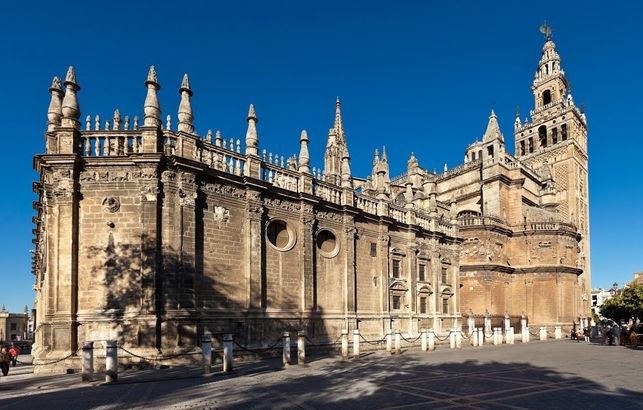
Catedral de Sevilla, cathedral in Sevilla, Spain, that, in addition to being the world’s third-largest church, is an excellent example of Gothic and Renaissance architecture and represents some seven centuries of history.
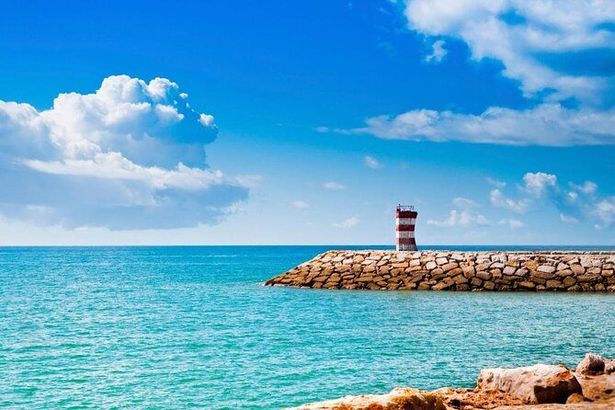
Once a quiet fishing village, Quarteira has grown into a summer vacation hot spot. Its clean beachfront, tasty seafood restaurants, and family-friendly water park—as well as its proximity to golf courses, Ria Formosa Natural Park (Parque Natural da Ria Formosa, and Faro’s atmospheric old town—attract visitors from Portugal and beyond.
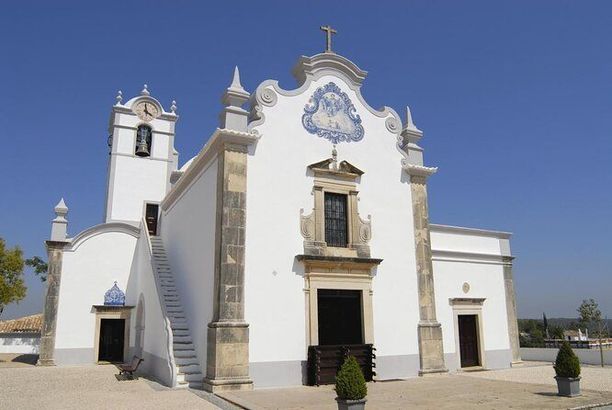
A quiet alternative to busy coastal resorts, Almancil is by all appearances a typical Portuguese market town, though its proximity to two of the Algarve’s most exclusive resorts—Quinta do Lago and Vale do Lobo—give it an upscale edge. Michelin-starred restaurants, five-star hotels, and championship golf courses can all be found nearby.
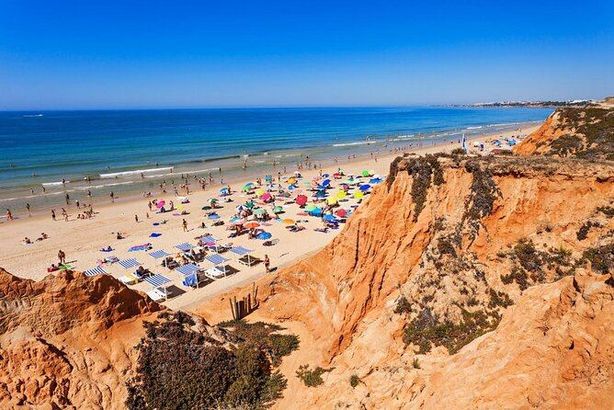
Backed by pine-topped ombré cliffs that fade from ochre to beige, Falesia Beach stretches for more than 3.7 miles (6 kilometers, making it one of Portugal’s longest beaches. It’s also one of the Algarve’s most loved strips of sand, with its colored cliffs and clear waters attracting strollers and swimmers alike.
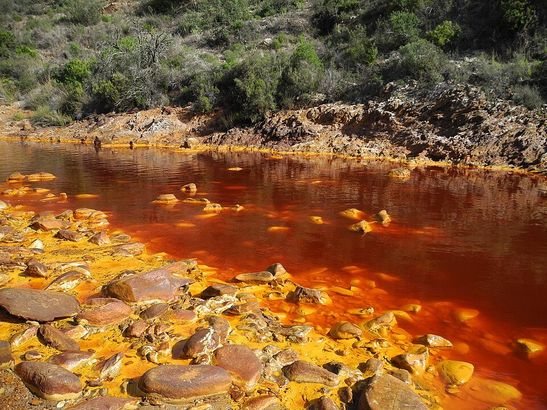
The Riotinto Mining Basin has a certain resemblance to Mars. The landscape is certainly mysterious: a river and reddish rocks covered with little vegetation. Of course, with an amazing diversity of life. The best way to get to know this region is to go to Riotinto Mining Park, where you can take a train ride, go into a mine, visit a Victorian house and learn about the history of the place.
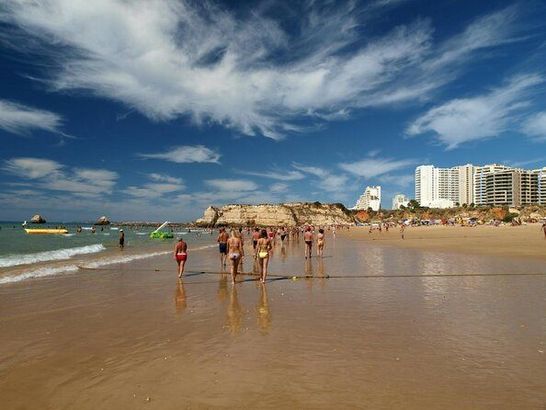
This popular resort in the southern Algarve is named after Portimão’s main beach, Praia da Rocha, a spacious sweep of golden sand backed by amber-colored cliffs. By day, families gather on the beach to sun themselves, play in the sand, and splash about in the water, while at night, bars and clubs attract revelers looking for fun.
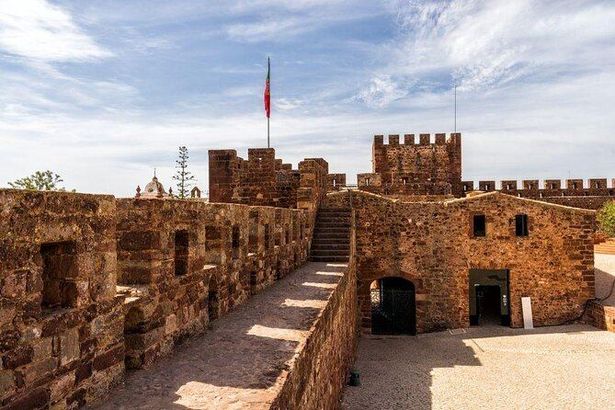
A testament to the region’s strategic importance in Moorish times, the imposing walls of Silves Castle have presided over the landscape for almost 1,000 years, although the town itself is much older. A trip to the castle is ideal to get a break from the beach and taste the area’s fascinating history.