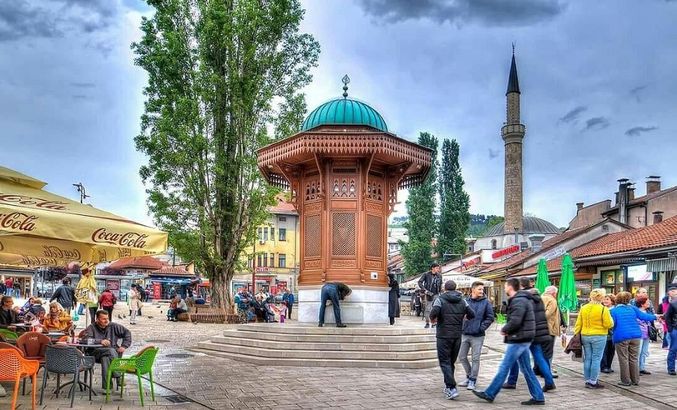
The Sebilj drinking fountain was built in 1891 on the site of a kiosk with drinking water that burned down in 1852 and was built by order of the Sultan's viceroy in Bosnia, Mehmed Pasha Kukavica. Today, Sebilj is one of the calling cards of Sarajevo.
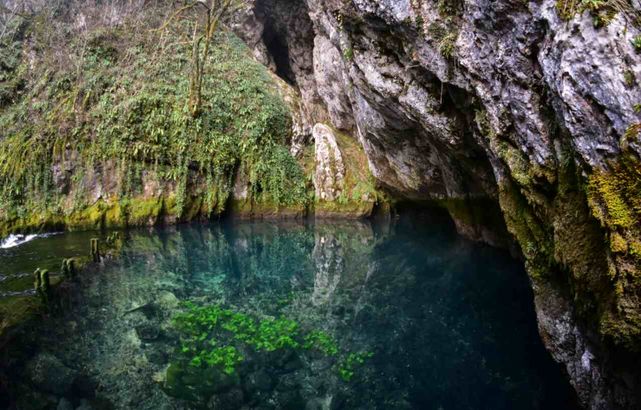
Dabarska cave is one of the two protected caves in the municipality of Sanski Most, which is located in the village of Donji Dabar. This cave is situated along the source of the river Dabar, which is the reason why there are lakelets inside the cave. Proteus anguinus is found in the Dabaska cave, and that makes it of great importance, even though it is not rich in stalagmites and stalactites.
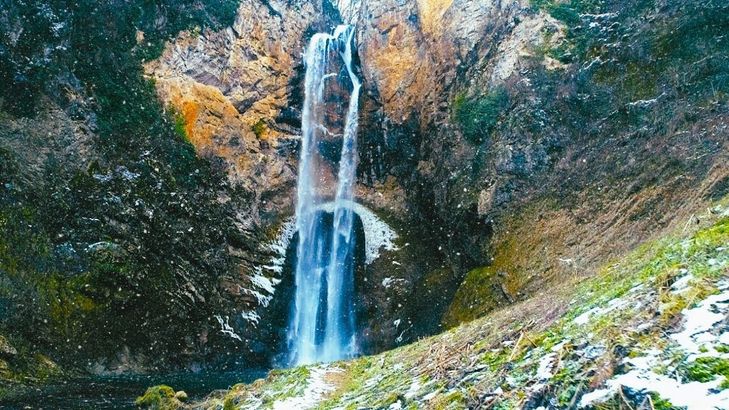
Located only 14 kilometers from Sanski Most, between the villages of Fajtovci and Kamengrad, with a height of 56 meters, the Bliha Waterfall is one of the largest waterfalls in the area. It is recognizable by the fact that the water breaks off the rock, creating a special and quite unusual sight.
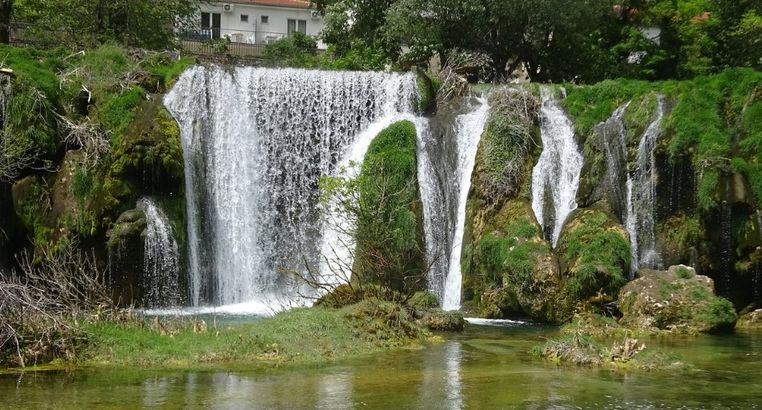
Provalije Waterfall, located in Ošanjići, is a breathtaking natural attraction that captivates visitors with its stunning cascades and serene surroundings. This picturesque spot is perfect for nature lovers and those seeking a peaceful retreat. Surrounded by lush greenery, the waterfall offers an ideal backdrop for photography and relaxation. Visitors can enjoy guided tours to learn more about the local flora and fauna, making it an enriching experience for all.
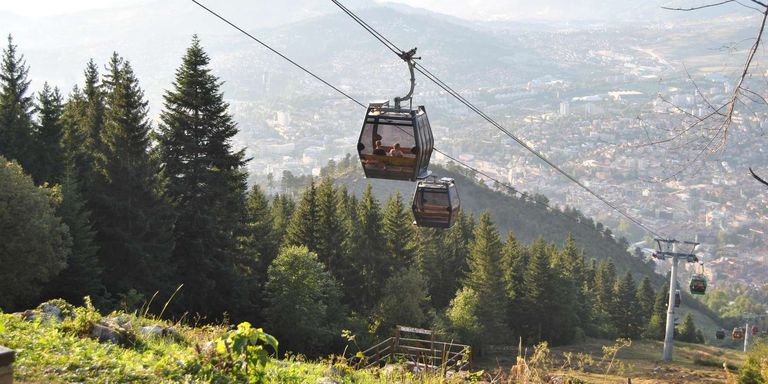
This cable car leads to Mount Trebevic. The observation deck offers unique views of the city. The funicular takes tourists to a point located at an altitude of 1,160 meters. In addition to the observation deck, you can find a cafe, ruins of an old observatory, a fortress, etc. at the top. And this is not to mention the natural attractions.
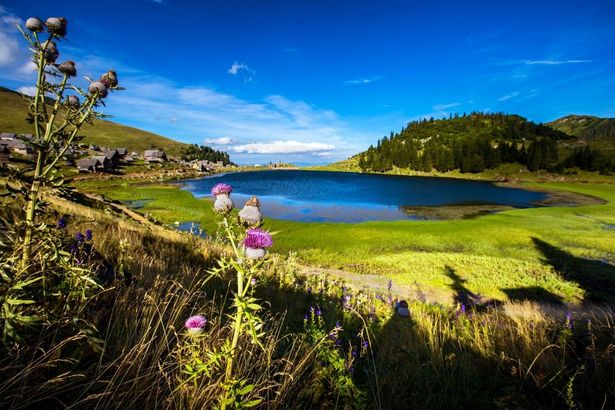
Lake Prokoško, located in the mountains of Central Bosnia, offers serene beauty and mountain solitude. The glacial lake, surrounded by meadows and forests, is a quiet haven.
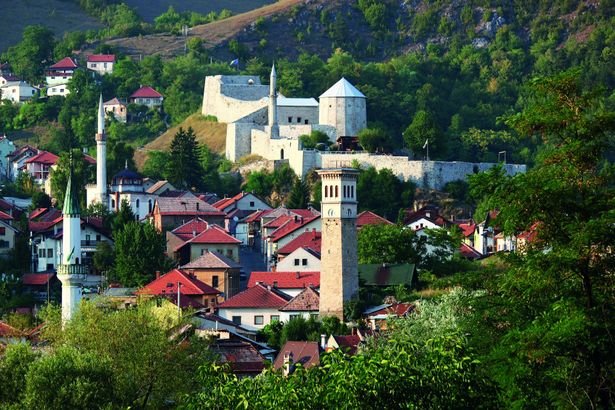
Once the capital of the Ottoman province of Bosnia, Travnik's old town is steeped in history. Colourful houses, a clock tower and a medieval fortress offer a glimpse into the region's past.
The Pliva Lakes in Jajce are a picturesque place with emerald waters and wooden watermills. The Great Pliva Waterfall, cascading into the Small Pliva Lake, creates a breathtaking natural spectacle.
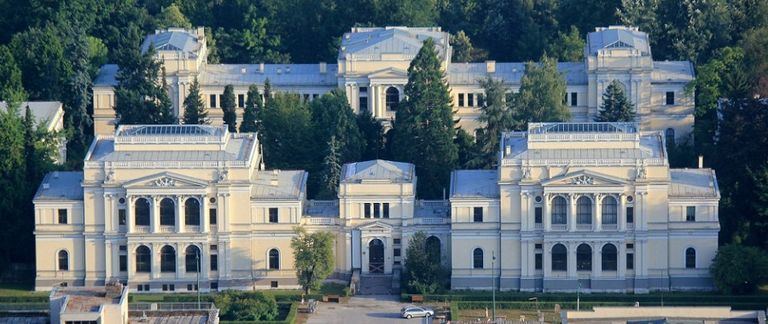
The National Museum of Bosnia and Herzegovina is the most comprehensive collection of artifacts on the history, culture and traditions of the country, and not only its collections but also the museum building itself are noteworthy – a magnificent example of neoclassical architectural style of the early 20th century. Among the pearls of the collection are Illyrian and Roman inscriptions, as well as the well-known Sarajevo Haggadah – a copy of the spiritual book of the Jews from the 14th century.
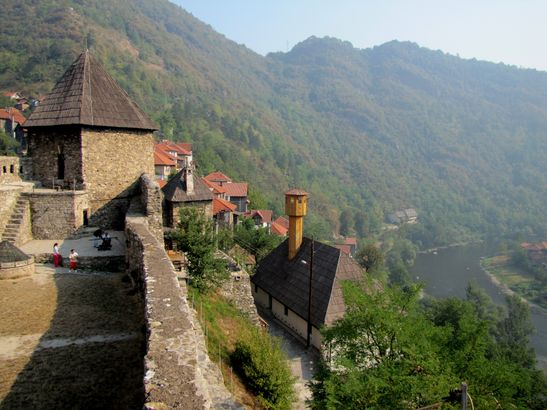
The fortress town of Vranduk is located on the river, about ten kilometers south of Zenica-Doboje. The name first appears in written sources at the beginning of the 15th century. The fortress is located in a rather beautiful place, on top of a hill, which is surrounded by the swift river Bosna. The building itself is not very large, and you can walk around it very quickly. Of the interesting things inside, there is a small old cannon on the fortress wall and an ancient well.
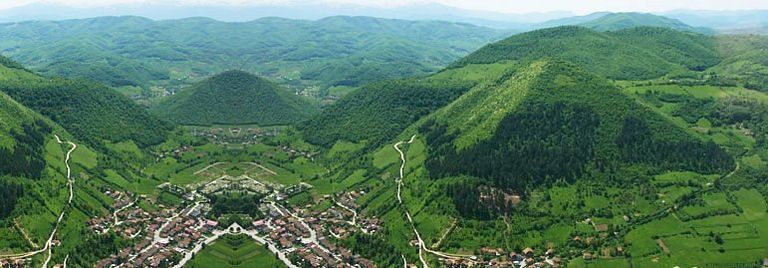
The pyramid sprang onto the world scene in October of 2005, when Semir Osmanagić, a Bosnian who lives in the United States and owns a successful metalworking shop, announced his discovery. Like the Egyptian Pyramids, the Bosnian ones orient to the cosmic north.
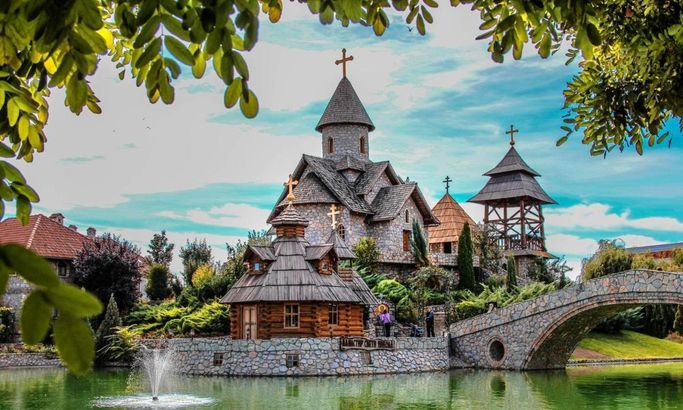
Stanišići is an ethno village near Bijeljina in Republika Srpska. The owner of the complex is Borislav Stanišić, a local entrepreneur. Entrance is free for visitors. The complex was built in March 2003. In its beginnings, it consisted of one pond, a tavern and a brook, but it expanded over time and now it contains another pond, two mills, and restaurants with local cuisine prepared in the traditional fireplace. The ethno village is still expanding, by building new objects.
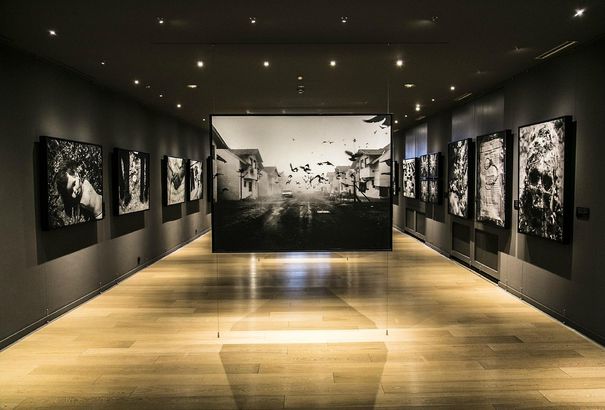
Gallery 11/07/95 is the first memorial museum/gallery in Bosnia and Herzegovina – exhibition space aiming to preserve the memory on Srebrenica tragedy and 8372 persons who tragically lost their lives during the genocide.
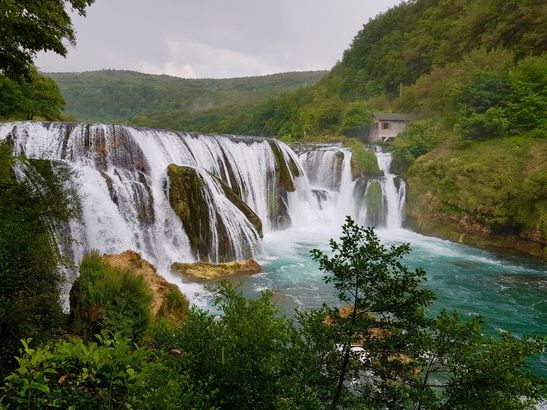
The Una National Park area is located in the far western part of Bosnia and Herzegovina, in the area of the city of Bihać. It includes the valley parts of the Una and Unac rivers, and the orographic slopes of the Plješevica, Grmeč and Osječenica mountains.
This area represents a unique natural entity in this part of Europe, valuable for the preservation of the overall biological diversity.
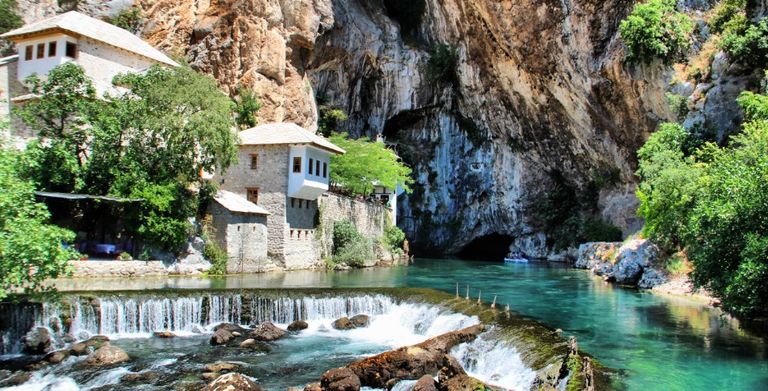
Only a short distance from Mostar, the monastery in Blagaj stuns visitors with its exquisite natural setting. The modest, Ottoman-era building sits at the base of an enormous cliff, where the Buna river seeps out from a mysterious cave and over a small crescent waterfall as it courses towards the larger Neretva. The water flowing by the monastery is a stunning hue of blue and is said to contain mystic properties.
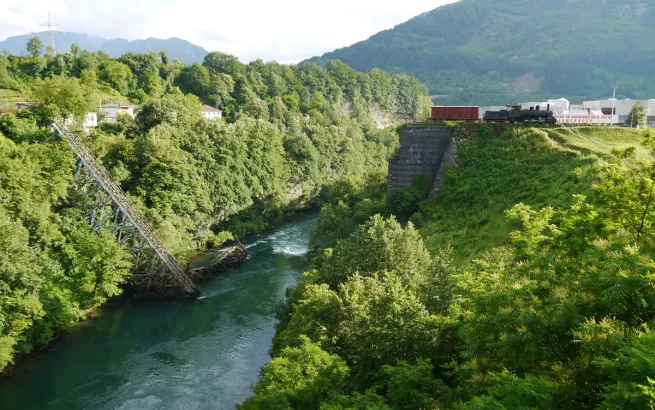
During World War II he Partisans blew up the bridge. The bridge had been blown up in a way that, from the air, made it look totally out of commission, while its main structure remained partially intact. After the war, a new railway bridge was built on the same spot.
Today, there is a museum dedicated to the battle in the town of Jablanica.
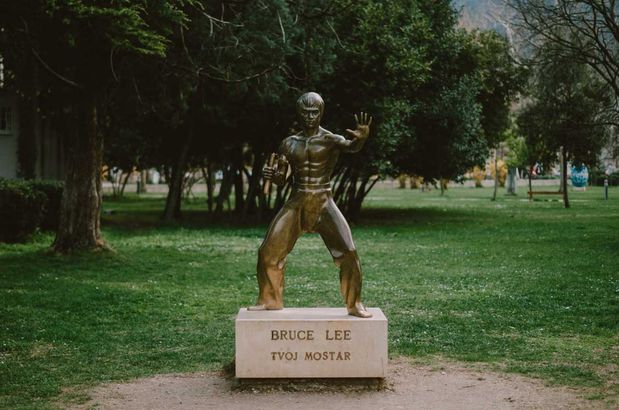
In happier times, during the 1970s and 1980s, the youth of Socialist Yugoslavia had a peculiar obsession: They absolutely devoured "kung fu" movies from Hong Kong, and their love was fueled by a steady influx of pirated VHS tapes. Bruce Lee become a cult hero, and thousands kids practiced their moves with homemade nunchaku.
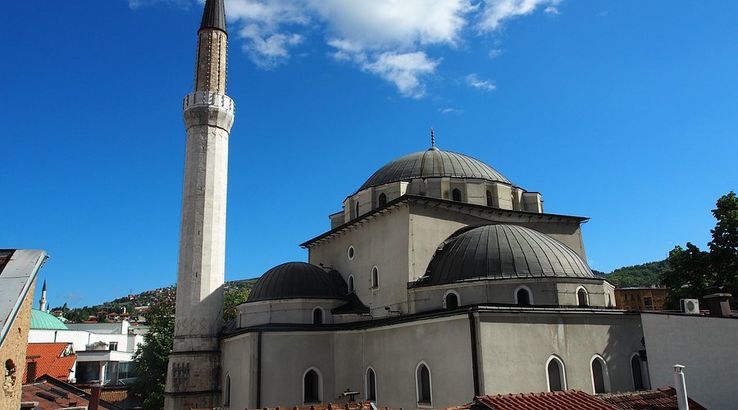
The Gazi Husrev-beg Mosque was completed in the 16th century and features Ottoman architecture. To this day, the mosque remains one of the largest in Bosnia and Herzegovina.
Today the mosque serves as the main congregational mosque of the Islamic Community of Bosnia and Herzegovina, but tourists and guests are welcomed.
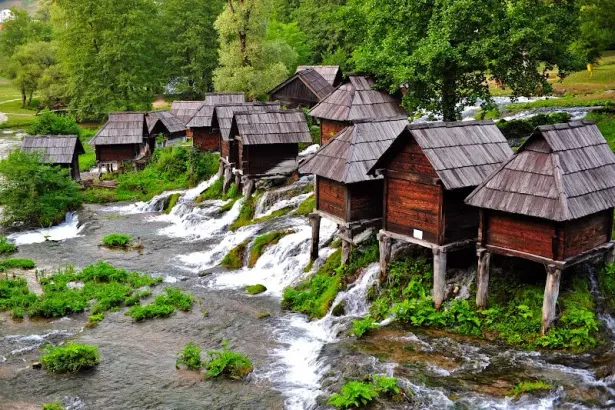
Jajce, in the central region of Bosnia and Herzegovina, is a historic city all about falling water. The little windowless huts sit on top of skinny stilts right over the gushing water. Since the flow here is spread out, by using a series of little mills instead of one big water wheel, the diffuse water power could be aggregated.
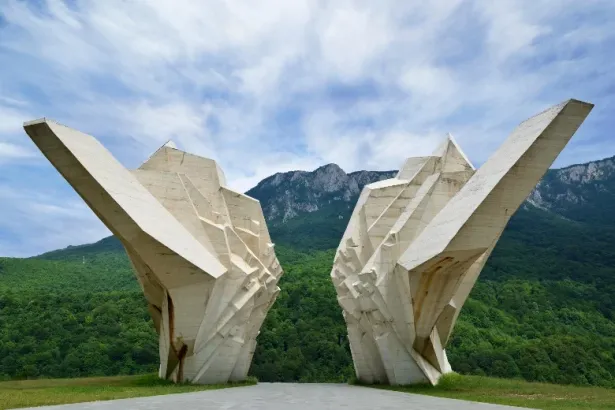
One of the many otherworldly monuments that dot the Bosnian landscape, the rocky passage of the Tjentiste War Memorial is a stunning tribute to a total failure. The two fractal walls of the memorial were erected in the 1970's to remember Operation Fall Schwarz, otherwise known as the Battle of the Sutjeska. The military action took place during World War II and saw Axis forces attempt to rout a group of Yugoslavian forces and capture their leader.