
The monument to Vysotsky was designed by the Russian sculptor Alexander Taratinov. He also designed in Podgorica a monument to Alexander Pushkin, which was erected here at the request of the Montenegrin authorities. The sculptor portrayed Vysotsky standing on a low pedestal and looking down. Bard imprinted with a guitar, with which he almost never parted. His figure is depicted in the dynamics, with one hand raised up.
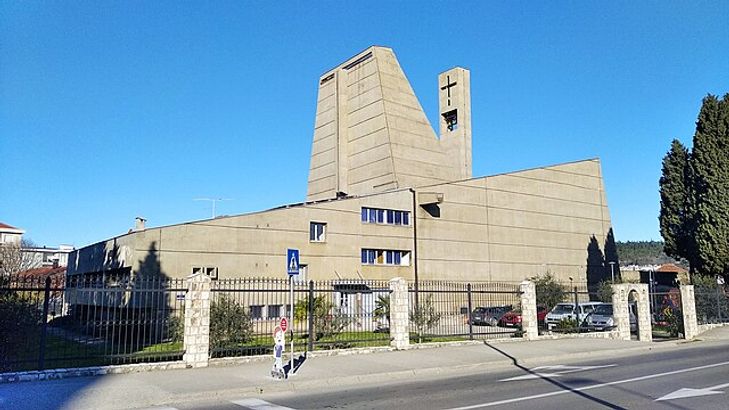
The church was built in 1969, at the height of Yugoslavia’s "golden age" of prosperity. It is a fine example of brutalist architecture, which was still very much in fashion at the time. However not many religious buildings were constructed in the style, making this Podgorica temple quite unique.
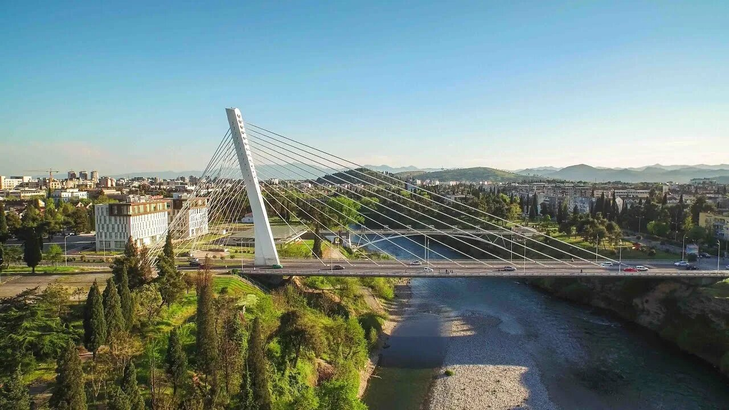
This cable-stayed bridge has quickly become one of the most outstanding sights of the capital of Montenegro. Its pylon, towering over the roadway by 57 meters, is visible from afar. 12 cables support the roadway, and 24 more are attached to counterweights. They create an impressive image of the structure, without which it is no longer possible to imagine the appearance of the city. In the evening and at night, the bridge is illuminated with spectacular lighting
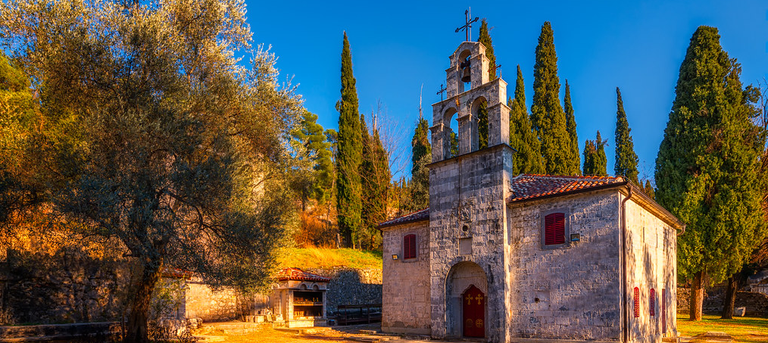
This is an Orthodox church in the foothill of the Gorica hill, built between the 9th and 11th centuries, and it is part of a group of pre-Romanesque monuments. This is also the oldest preserved building in Podgorica. Beneath the altar there is a small subterranean passage, which was believed to have led to Duklja.
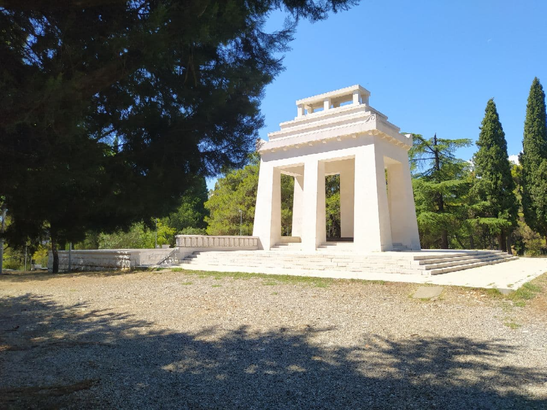
The mausoleum housing the remains of 97 heroes of Yugoslavia from WWII is the most significant WWII monument in Podgorica. Memorial complex located on the mountain Gorica in the Montenegrin city of Podgorica (formerly Titograd). Opened in 1957.
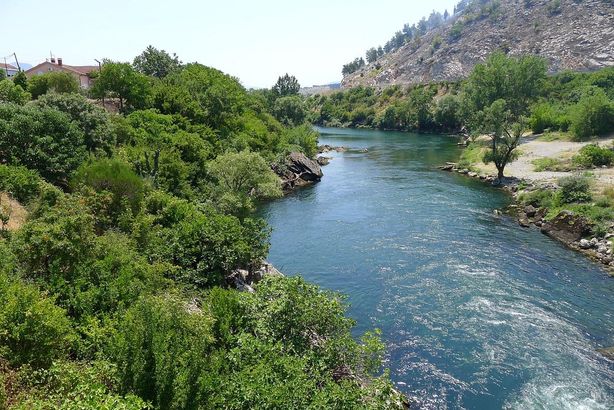
The symbol of Podgorica and also the greatest river flowing through the Capital. Its deep riverbed, large rocks and icy temperatures are just some of the main characteristics of this mountain river. On its way through the Capital, Moraca also carved out many caves. It is 113 kilometres long, and it runs from north to south, flowing into the Skadar Lake.
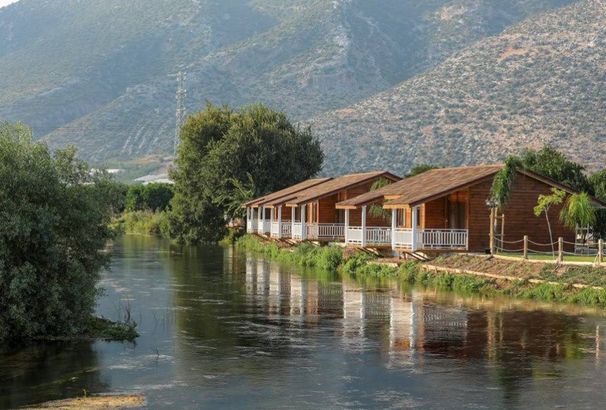
The perfect place for a traditional Turkish Sunday breakfast! And any other meal... This paradise is located in the Antalya district of Finike on the banks of the Karadin River. It welcomes guests for breakfast or lunch, as well as for an overnight stay in garden houses located near the mountain river. Turquoise Village - this is how its name is translated. A small eco-hotel in a garden with orange, olive and pomegranate trees.
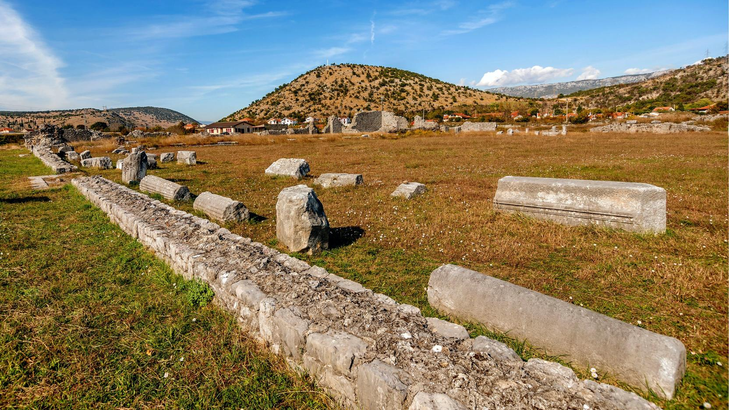
The ruins of Duklja (Dokleja) are an interesting archaeological site located near Podgorica. The ruins have significant historical value, as they provide insight into the ancient Roman city that once flourished in this region.
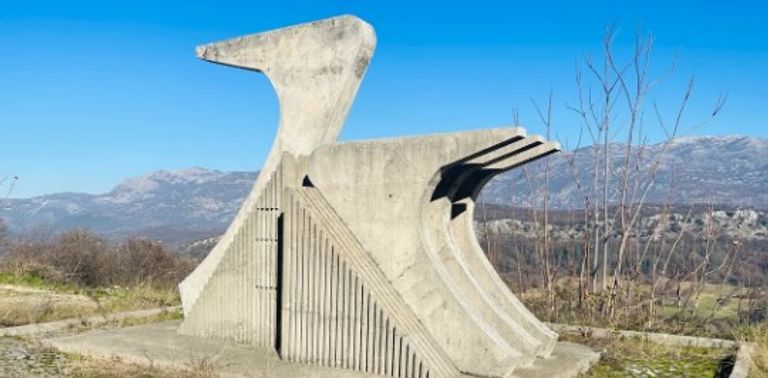
In November 1944, the 6th Montenegrin Strike Brigade defended the nearby Danilovgrad Pass from an invasion of German soldiers. The memorial sculpture on Obad's Hill (Obadov Brijeg) commemorates the 6th Montenegrin Strike Brigade, a group of more than 500 anti-fascist fighters who defended the hill.
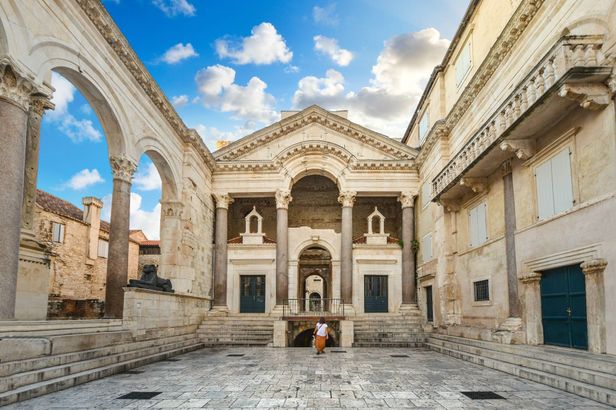
This unique architectural monument of the Roman Empire was built by Emperor Diocletian. His reign was from 284 to 305 AD. In 1979, the palace was included in the UNESCO heritage list. The palace is well preserved, but in excursions it is most often mentioned as a kind of city within the city. The fact is that this Diocletian's palace occupies a huge area of 3 hectares.
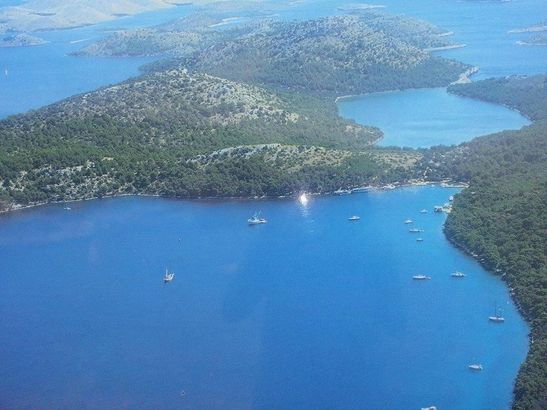
Telašćica is a breathtaking coastal park located in the southeastern part of the Dalmatia region of Croatia. This unique and protected area is known for its stunning natural beauty, rich biodiversity and historical significance. The park features a unique saltwater lake, Mir, which is connected to the Adriatic Sea by a narrow channel. The lake's waters are rich in minerals and are said to have healing properties, making it a popular destination for those seeking rest and recuperation.
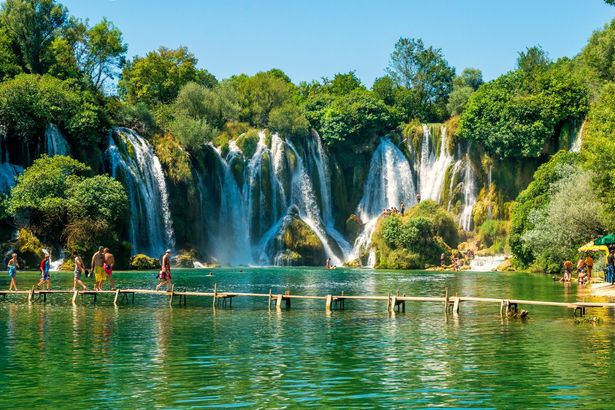
Spectacular Kravice Waterfall (Vodopad Kravica) in Bosnia and Herzegovina are one of Europe’s best-kept natural secrets. Plummeting over 98-foot (30-meter) soft tufa cliffs on the Trebizat River southwest of Mostar, the waterfalls have sliced out a natural amphitheater spanning nearly 400 feet (120 meters) as the river splits into more than a dozen separate waterfalls cascading into the lake below.
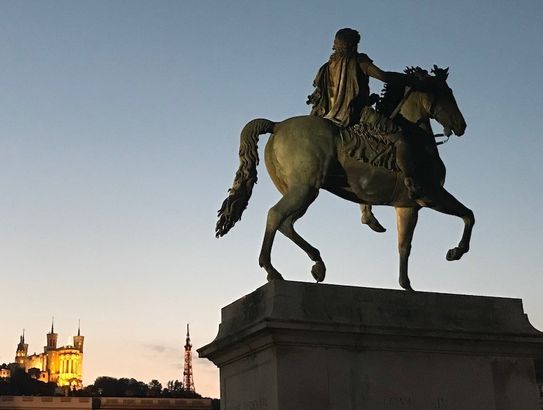
Lyon is a much underrated city, yet oh-so-worthy of a visit. It has one of the quirkier landmarks of France, the Fourvière Basilica, which guards the city from above, with its mixture of byzantine, gothic, romanesque... and some would even say Moorish styles, not to mention the panoramic view of Lyon you'll get from its lookout.
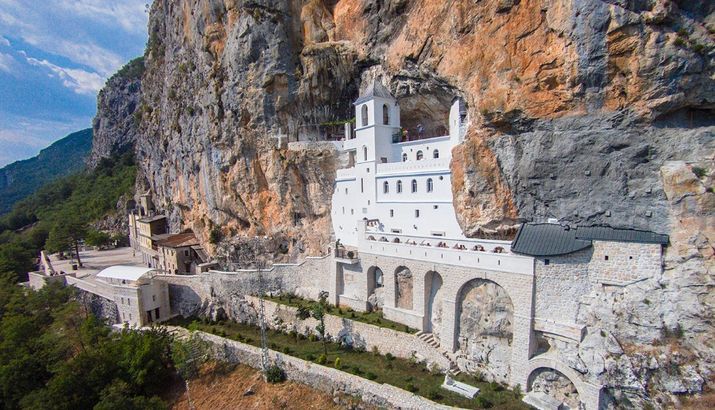
Built high in the mountains, in the middle of nowhere, standing still in the cliffs from the 17 th century, looking like it defies gravity, shining white bright, there is Ostrog Monastery - the most important sacral object in Montenegro and region. Ostrog Monastery is the third most visited sacral place in the world, just after the Christ's Tomb and the Holy Mount.
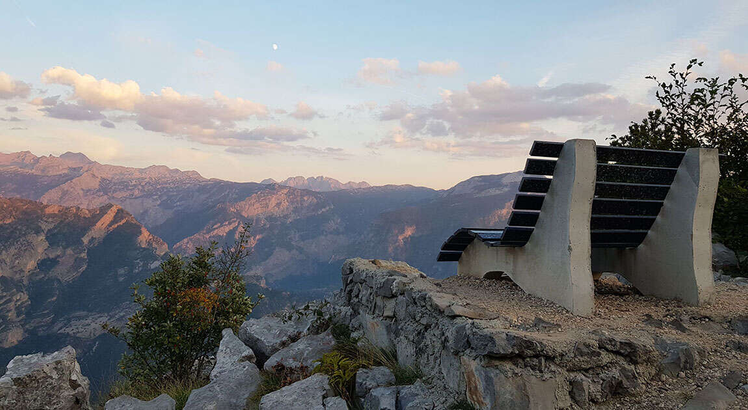
This is an exciting place to visit for anyone who loves mountains and stunning views. The steep, sheer cliff almost at your feet, the canyon cut, and the panoramic view of the valley make it feel like the world is opening up on all six sides. You won't find this in other places, where there is no vertical direction. But here, it's there!
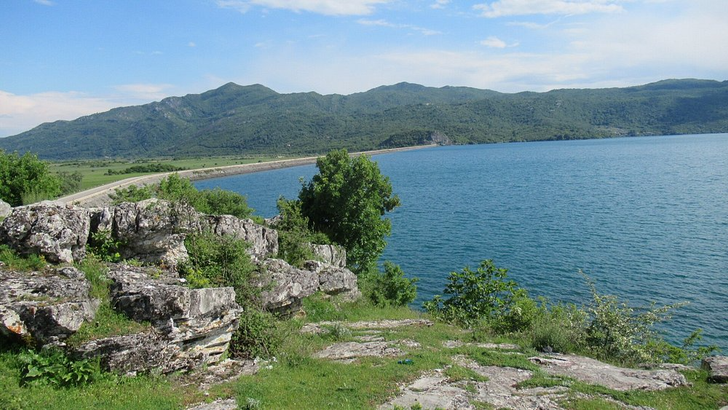
Slano Lake is a picturesque saltwater lake located near the coastal town of Bar in Montenegro, known for its striking turquoise color and therapeutic mud. The lake is part of a protected natural area and is often referred to as "Montenegro's Dead Sea" due to its high salt content and healing properties. Surrounded by desert-like landscapes and distant mountains, Slano Lake offers a unique and tranquil experience for visitors seeking relaxation and wellness.
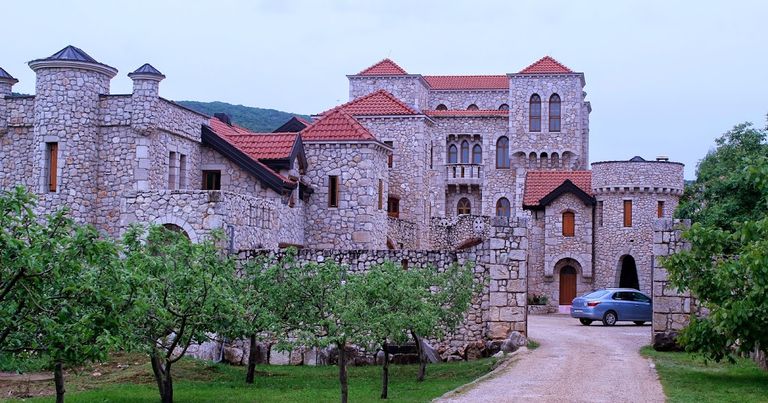
In 1999, Nancy and Patrick Latta began to build a castle in Medjugorje, to be used as a retreat place for priests, nuns, seminarians, and religious. Patrick was a very successful businessman in Vancouver, B.C., Canada. He and his wife Nancy enjoyed a lavish life style, but God was missing from their lives.
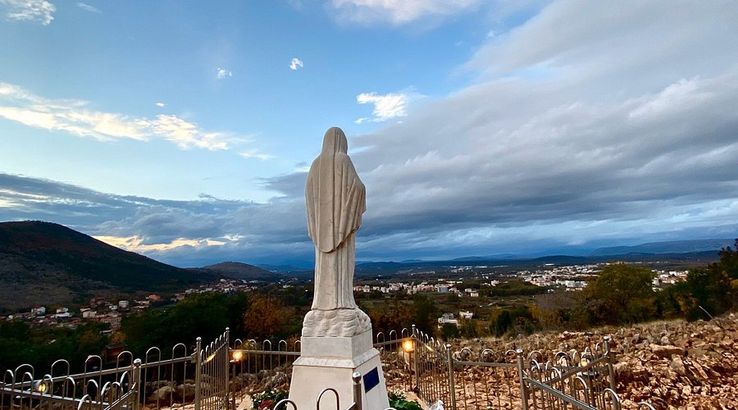
This is a pilgrimage to the hill where Theotokos appeared to the children. It is a place of worship and requires respect. The approach is quite difficult and dangerous because it is a climb of about 500m. between mite and slippery rocks, it needs sports shoes and a lot of care because a fall into the rocks is sure injury. At the top of the hill there is the statue of the Virgin Mary and a large Statue with the Crucified Jesus Christ.
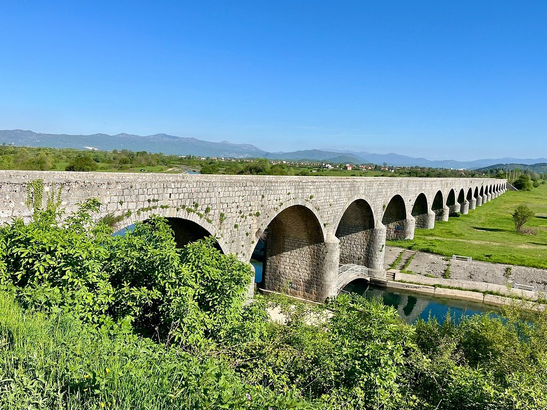
Emperor's Bridge is a historic stone bridge located near the village of Čevo in Montenegro, spanning the Tara River and offering stunning views of the nearby Durmitor National Park. Built during the Roman Empire and later restored by the Austro-Hungarian rulers, it stands as a testament to centuries of history and engineering. Surrounded by dramatic mountain landscapes, the bridge is a popular spot for photography and hiking, blending natural beauty with cultural heritage.
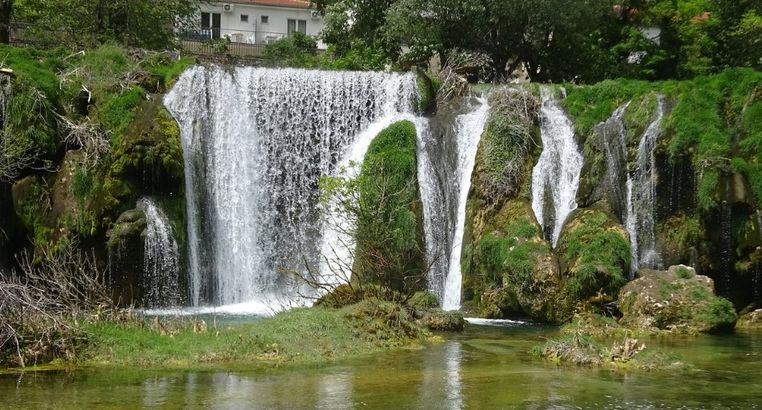
Provalije Waterfall, located in Ošanjići, is a breathtaking natural attraction that captivates visitors with its stunning cascades and serene surroundings. This picturesque spot is perfect for nature lovers and those seeking a peaceful retreat. Surrounded by lush greenery, the waterfall offers an ideal backdrop for photography and relaxation. Visitors can enjoy guided tours to learn more about the local flora and fauna, making it an enriching experience for all.