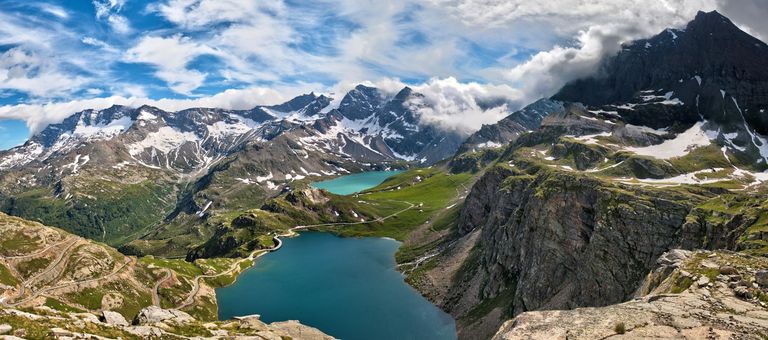
Gran Paradiso National Park is the oldest national park in Italy, established in 1922 to protect the native Alpine ibex population. Located in the western Italian Alps, it spans across Piedmont and Valle d’Aosta regions and features rugged mountain peaks, glaciers, alpine meadows, and pristine forests. The park offers excellent opportunities for hiking, wildlife observation, and winter sports, making it a year-round destination for nature lovers.
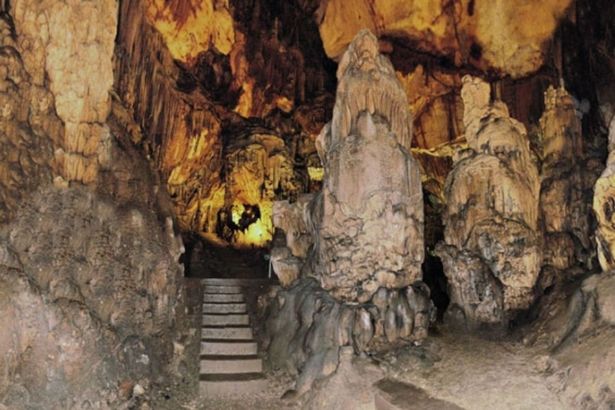
If you have an inner speleologist, be sure to visit the Vranjaka Nature Reserve, 25 km from the beloved Split. All about stalactites, stalagmites, multi-colored quartz, sculptures and rock paintings will be told for only 40 kuna by a descendant of the lucky man who discovered this bizarre cave in 1903. And don’t be put off by the fact that it’s quite chilly in the underground kingdom: the hospitable guide will gladly treat tourists to homemade rakia.
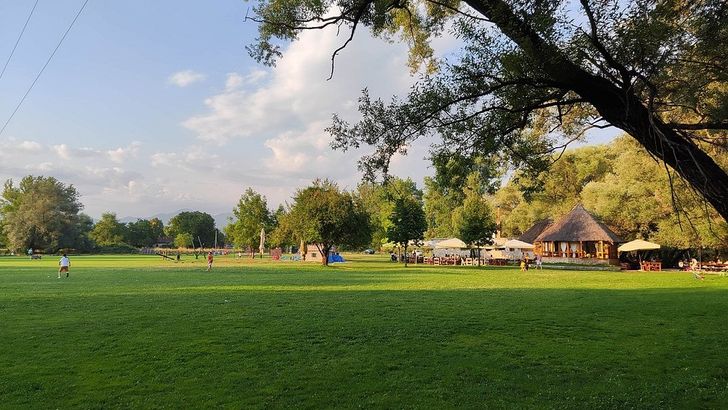
Manitovac Park is a scenic green area located in the heart of Herceg-Novi, Montenegro, offering a peaceful retreat surrounded by nature and historic landmarks. The park features well-maintained walking paths, shaded benches, and beautiful views of the Bay of Kotor and the Adriatic Sea. It’s a popular spot for both locals and tourists to relax, enjoy panoramic vistas, and take in the region’s natural beauty.
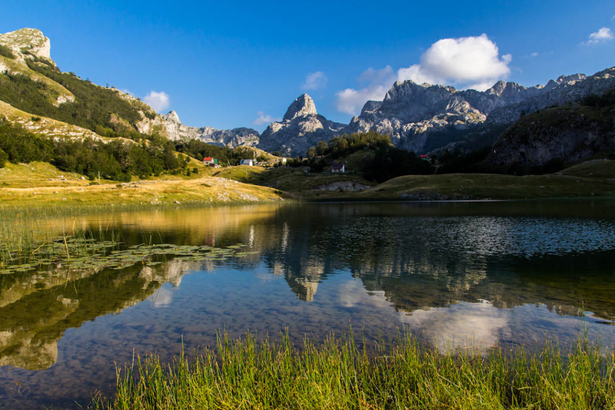
Surrounded by the rugged mountains of Komovi, at 1,443 metres above sea level, Bukumirsko Lake might not be Montenegro’s largest lake (it’s only 130 metres at its widest point), but it’s surely one of the most beautiful.
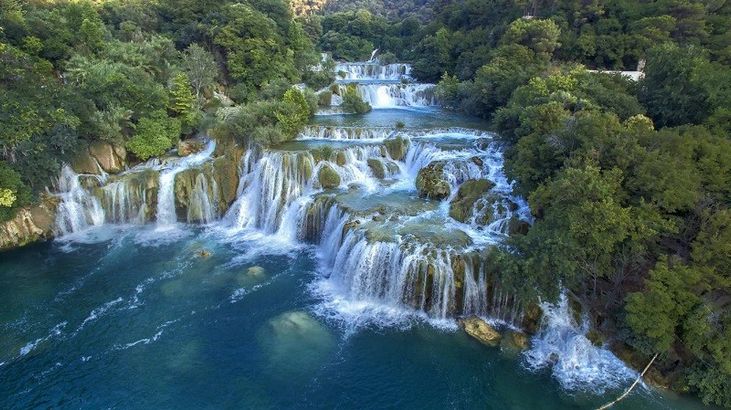
The heart stops from its beauty. The park is 7 connected waterfall cascades. The water falls from a small height, so it does not pose a danger to tourists. The waterfalls are located in Northern Dalmatia and are considered to be the most beautiful sights of Croatia. The view from below on the cascade of waterfalls is so beautiful that it is impossible to take your eyes off it.
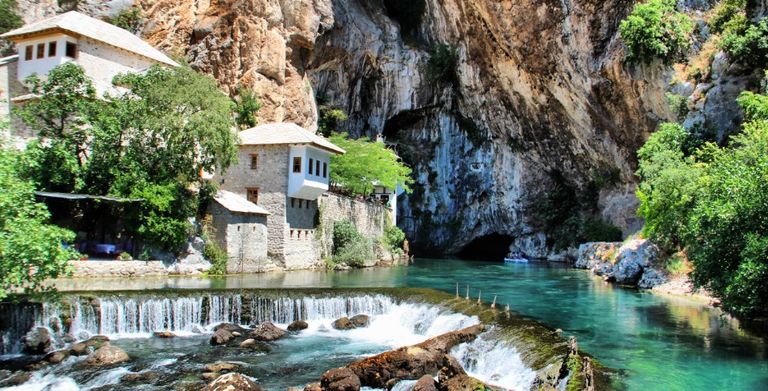
Only a short distance from Mostar, the monastery in Blagaj stuns visitors with its exquisite natural setting. The modest, Ottoman-era building sits at the base of an enormous cliff, where the Buna river seeps out from a mysterious cave and over a small crescent waterfall as it courses towards the larger Neretva. The water flowing by the monastery is a stunning hue of blue and is said to contain mystic properties.
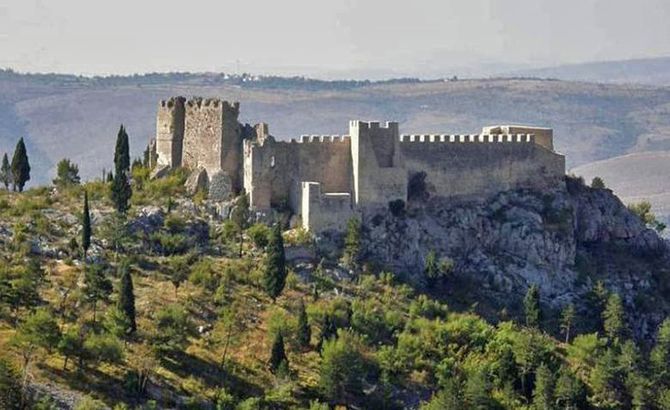
Blagaj Fortress or Old Town of Blagaj, locally known as Stjepan-grad , or Stipan-grad, in classical times Bona, is a town-fortress complex near the town of Blagaj, Bosnia and Herzegovina. The old Blagaj Fort was built on a high, inaccessible karst hill, at an elevation of 310 metres above sea level and 266 metres above the source of the river Buna.
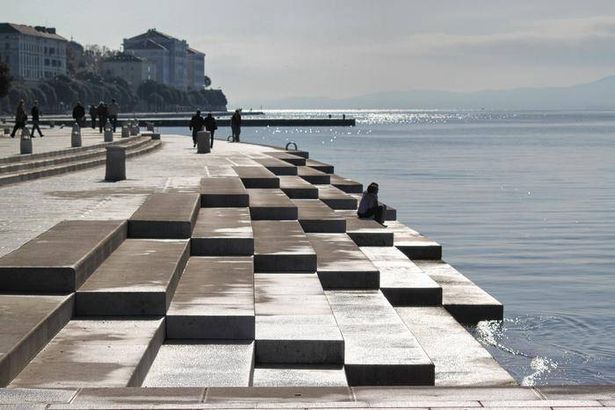
The main attraction of the city is the Morske orgulje organ. Art historians and experts highly appreciate the unique sound of this musical instrument. Acquaintance with the sights of Croatia will not be complete without hearing the sound of the organ.
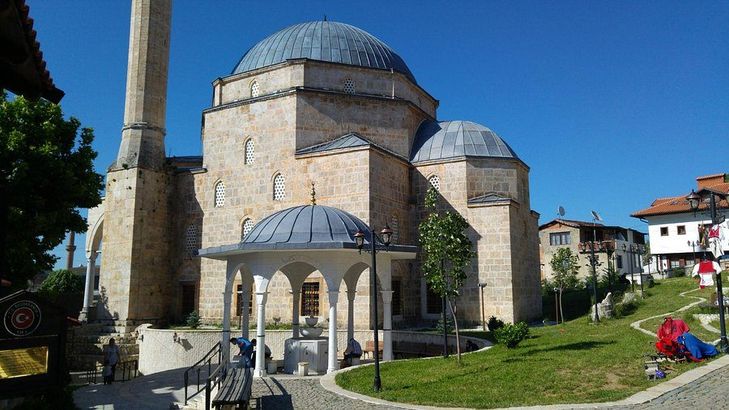
The mosque has a square-shaped plan and the entrance to the mosque from the outside is provided by a carved stone staircase located towards the north. The minaret of the mosque is built of pumice stones (foam stone) with a square base and circular body. Before the entrance of the mosque, there is an open life, also made of stone. The so-called “Hayat” section is covered with three lead-covered domes resting on stone columns with circular bases. The interior is a unique space illuminated by tiered windows.
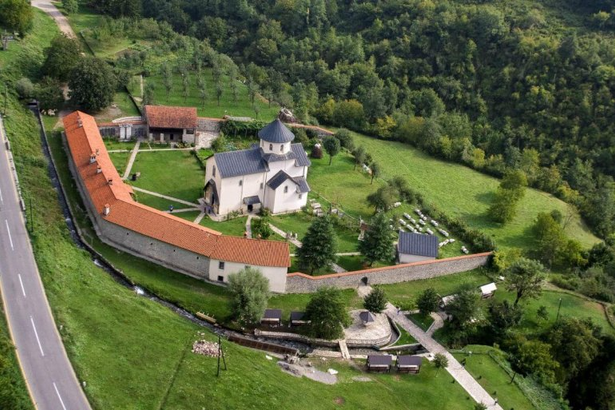
The Moraca Monastery, founded in 1252, is one of the most important Orthodox monasteries in Montenegro and one of the most famous medieval monuments in the country. The monastery includes a large Cathedral of the Assumption, a small Church of St. Nicholas, and monastic cells.
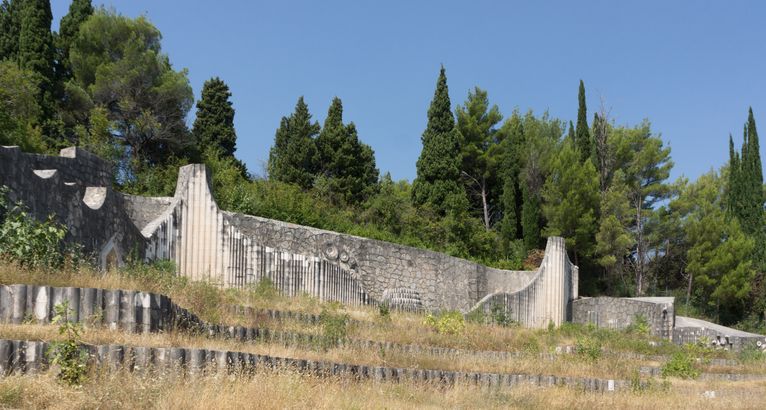
This place was created in honor of 560 Yugoslav partisans of Mostar who died during World War II. The Partisan Memorial Cemetery has a unique and eerie atmosphere. Unfortunately, the cemetery is now heavily damaged and abandoned. Despite this, it is worth taking a look at the socialist architecture of the 20th century.
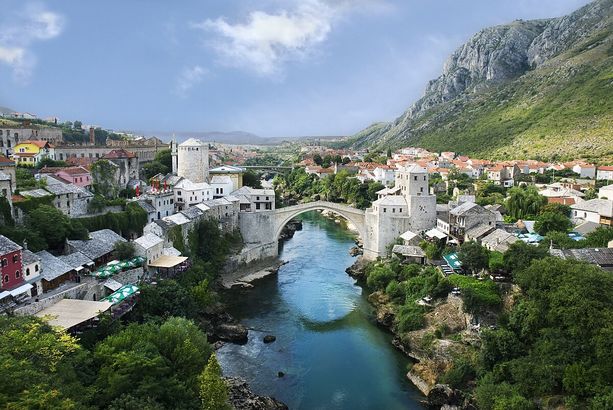
In the 1990s conflict, however, most of the historic town and the Old Bridge, designed by the renowned architect Sinan, was destroyed. The Old Bridge was recently rebuilt and many of the edifices in the Old Town have been restored or rebuilt with the contribution of an international scientific committee established by UNESCO.
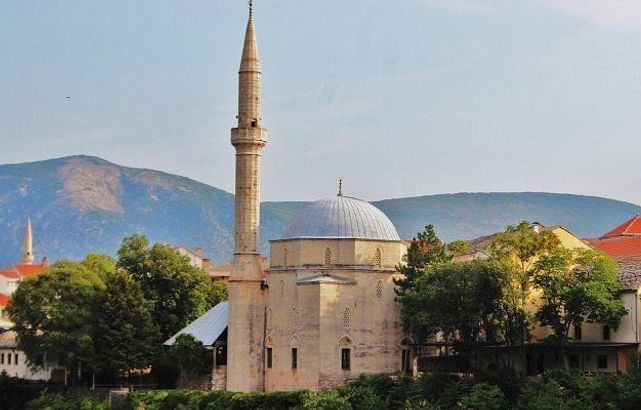
This is a wonderful example of Islamic Ottoman architecture. The mosque was designed in Istanbul and built in 1618. Its dome is painted with beautiful botanical motifs, and the colorful stained glass windows shine brightly throughout the day. Today, the mosque operates as a museum rather than a traditional place of worship, although you can still see people praying here. You can climb its minaret for a spectacular view of the Old Bridge.

Bosnaseum is the museum that Mostar has been missing, and it finally arrived. The new museum opened in May 2018 and gained popularity in the first tourist season, not least due to its convenient location, but also due to its concept. Bosnaseum primarily aims to introduce visitors to the culture of Bosnia and Herzegovina.
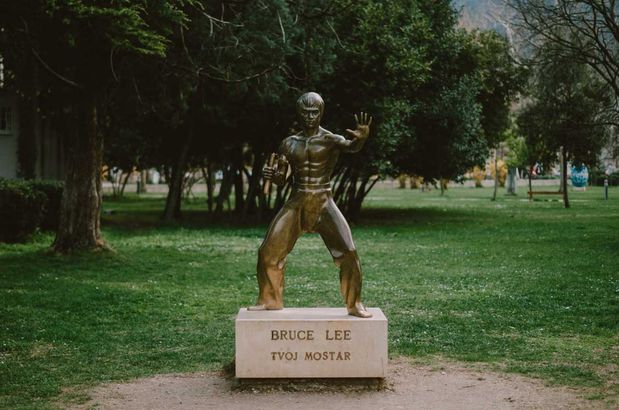
In happier times, during the 1970s and 1980s, the youth of Socialist Yugoslavia had a peculiar obsession: They absolutely devoured "kung fu" movies from Hong Kong, and their love was fueled by a steady influx of pirated VHS tapes. Bruce Lee become a cult hero, and thousands kids practiced their moves with homemade nunchaku.
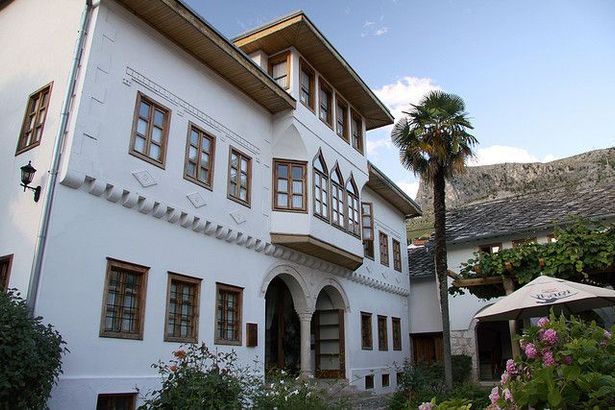
The Muslibegovic House is a national monument, museum, and hotel all rolled into one. This Bosnian-Ottoman style residential complex was built in the 18th century and features two courtyards with lush, secluded gardens. Fascinating artifacts and stunning examples of Ottoman calligraphy are displayed throughout the house. It is one of the most charming buildings in the city, and a great place to stay while in Mostar.
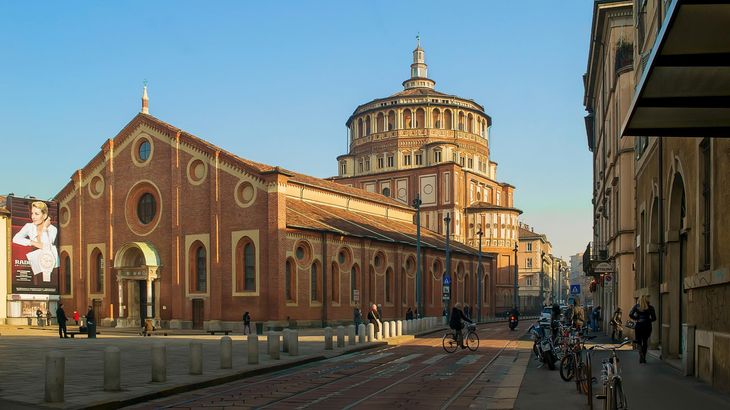
Santa Maria delle Grazie is a historic church and UNESCO World Heritage Site located in Milan, Italy. It is world-famous for housing Leonardo da Vinci’s masterpiece The Last Supper , painted on the convent’s refectory wall between 1495 and 1498. The church itself is an outstanding example of Renaissance architecture, designed by Donato Bramante. Today, it remains one of Italy's most visited cultural landmarks.
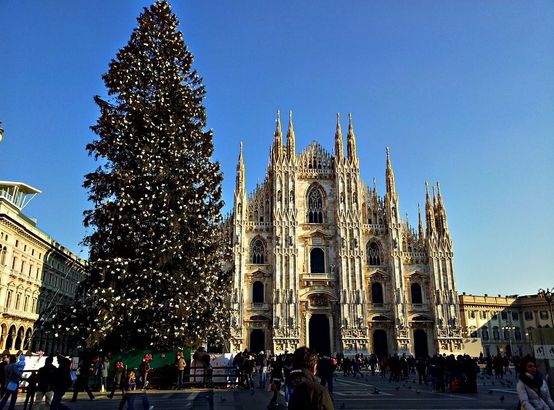
The Milan Cathedral is a stunning Gothic cathedral located in the heart of Milan, Italy. Construction began in 1386 and took nearly six centuries to complete, resulting in a magnificent blend of architectural styles. It features intricate sculptures, spiring pinnacles, and a breathtaking interior with stained glass windows and grand altars.
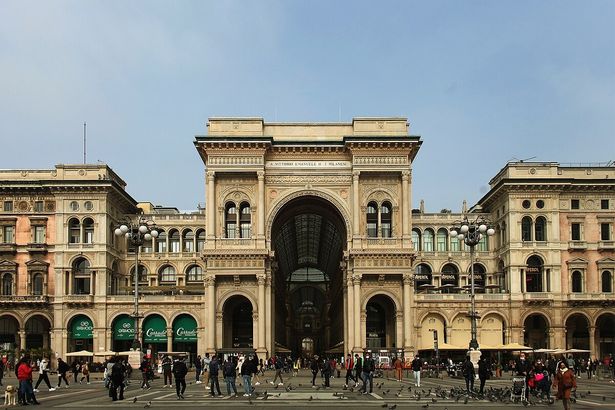
Galleria Vittorio Emanuele II is one of the oldest shopping malls in the world, located in Milan, Italy. Built in the 19th century, it features a stunning glass-vaulted arcade with ornate ironwork and mosaic floors, connecting Piazza Duomo to Piazza Scala. The gallery is lined with luxury shops, cafes, and restaurants, blending historic architecture with modern elegance.
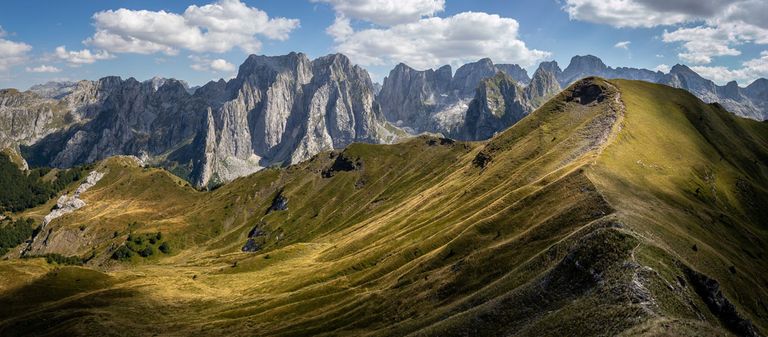
Although the name Prokletije refers to something damned, the park itself is more than a paradise for all mountaineers and adventurers who want to explore the most challenging area of Montenegro.