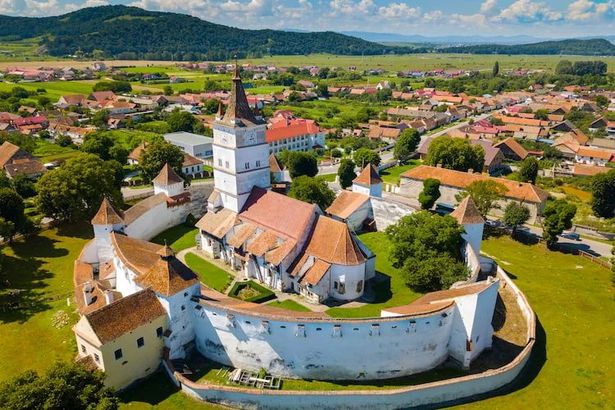
Built from 1212, Prejmer Fortified Church was a construction of the Roman Catholic Teutonic knights. With its thick circular walls rising 40 feet, advanced weaponry and underground passageways, the church was heavily defended, demonstrating the turbulent nature of the region at the time.
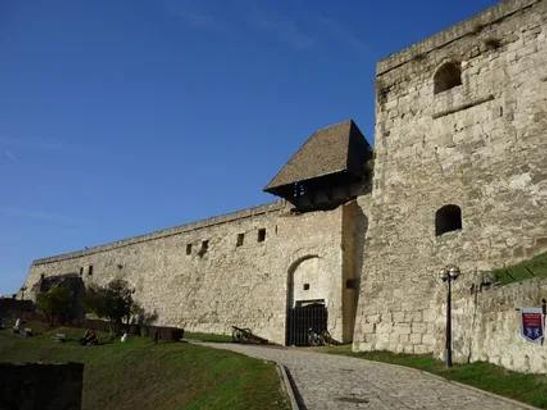
Eger Castle is a medieval fortress in the city of Eger, famous for its heroic defense against the Turks in 1552. Situated in the historical center of Eger on the Castle Hill, it is the city's main landmark. The building of the bishop's palace houses the István Dobó Museum and an art gallery. The fortress's bastions and underground casemates are open to tourists.
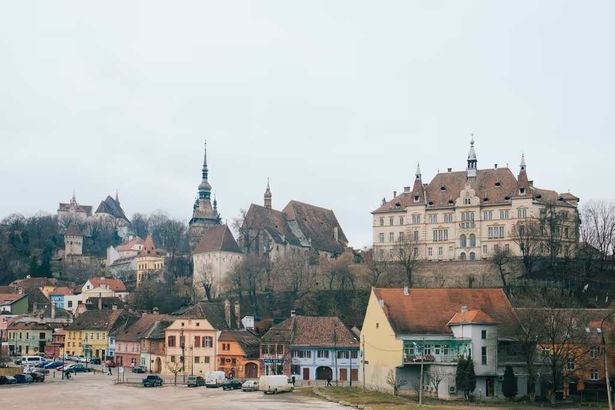
Sighişoara Citadel is the only inhabited medieval fortress in Southeast Europe, and is part of the UNESCO World Heritage Site ‘the Historic centre of Sighişoara’. It’s one of only seven Saxon walled cities in Romania, which were all built at a similar time during the 12th century.
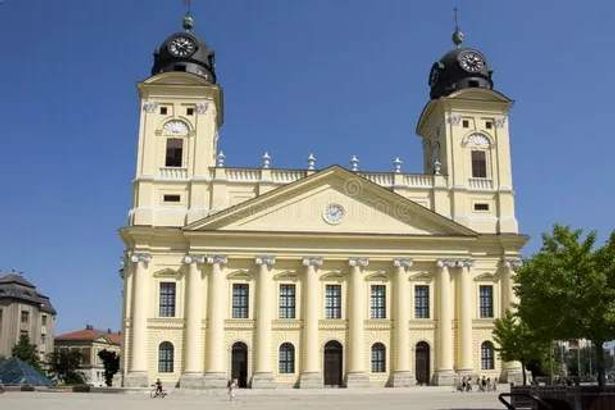
Great Church — Reformed, or Great Church in Debrecen. Built between 1805 and 1824 in the neoclassical style. It is the largest Protestant church in Hungary, its area is 1500 m². It has the largest bell among Protestant churches in Hungary. In the western tower is the Rakoczi bell weighing 4.6 tons.
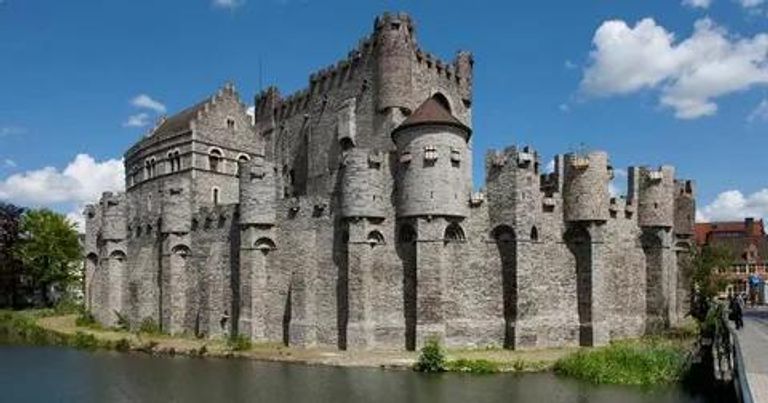
Located in the centre of Ghent, the beautiful Gravensteen Castle (Dutch for “Castle of the Counts”) was the residence of the Counts of Flanders from the 12th to the 14th century. This castle has quite a turbulent history, though. It later served as a courthouse, a prison and a cotton mill.
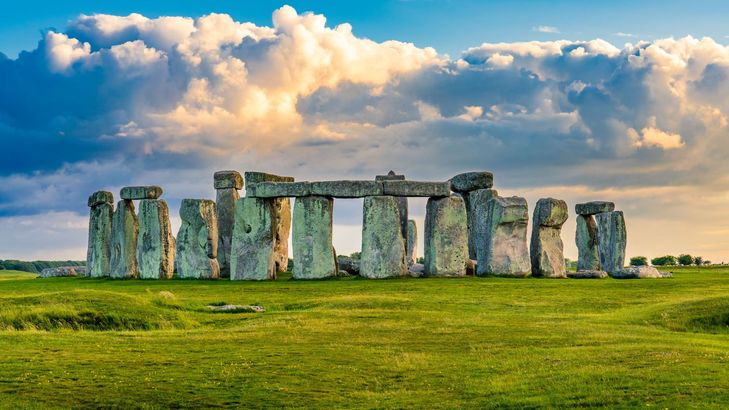
The most famous prehistoric stone circle in the world, Stonehenge dates back 5,000 years to the Neolithic and Bronze Age. Visit the stones yourself to experience their sheer size and the power it would have required to move them.
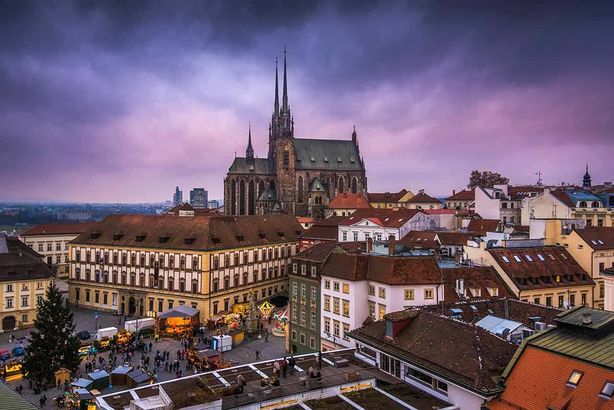
The 1170 Cathedral of St Peter and Paul was designed in the Gothic style, however, it has since undergone many renovations and rebuilds. The church was burnt down during the Thirty Years War but was rebuilt during 1651 and 1746.
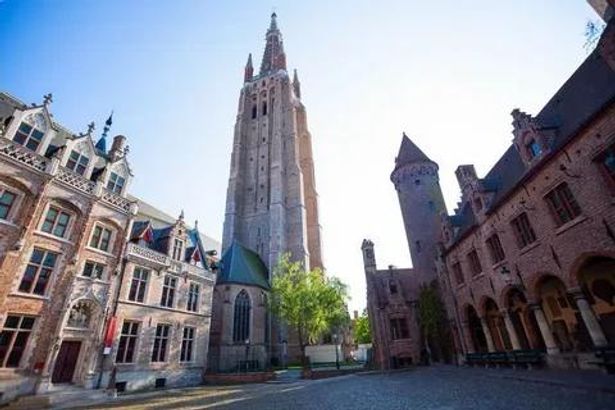
The Church of Our Lady, or Onze-Lieve-Vrouwekerk in Dutch, was built between the 13th and 15th centuries. Its spire is 115,5 m (379 ft) high, which makes it one of the highest brick towers in the world. Inside this church, you will find the world-famous Madonna and Child sculpture by Michelangelo. This is one of the few works of Michelangelo that can be found outside of Italy.

Constructed in the 13th century, the Belfry of Bruges has been the symbol of Bruges for centuries. This medieval bell tower can be found on Market Square, Bruges’ main square. In the olden days, the Belfry was used as an archive and treasury as well as an observation post to spot fires and other dangers.
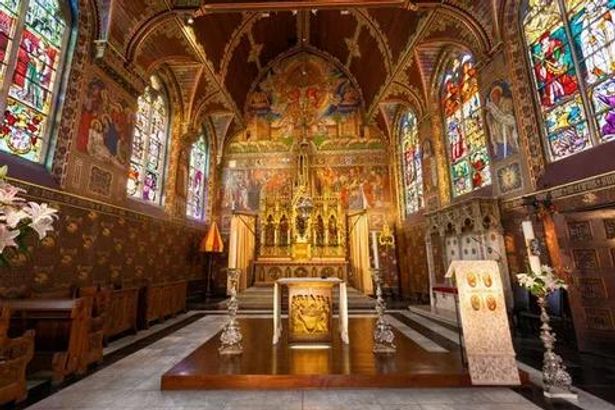
Located on Burg Square, the Basilica of the Holy Blood is a small building that can easily be overlooked. However, this is one of Belgium’s most spectacular churches! This basilica consists of two levels. On the lower level, you will find a Romanesque chapel, and the upper level houses a Gothic chapel.
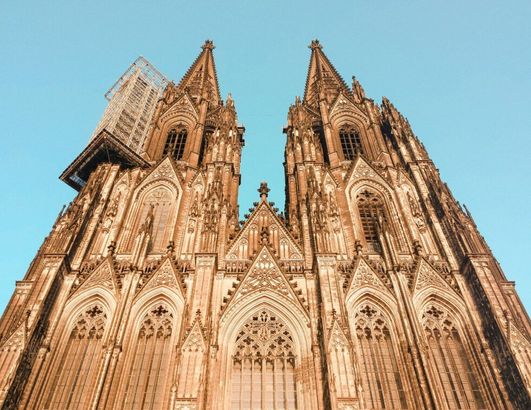
A masterpiece of Gothic architecture, this UNESCO World Heritage site is Germany’s most visited landmark, boasting stunning stained-glass windows and towering spires. Construction began in 1248 but wasn’t completed until 1880. Until 1884, the Cologne Cathedral was the tallest building in the world thanks to its towers which reach a height of over 500 feet.
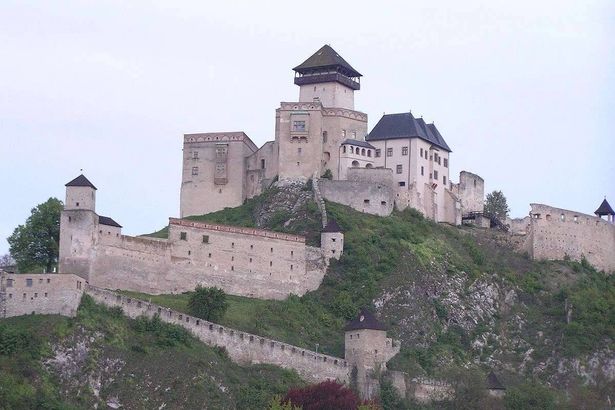
Another landmark of Slovakia is a castle that arose on the site of an old fortified settlement. At that time, a semicircular building with a dome and a residential tower "grew". The description says that over time, the fortress was repeatedly completed. And for a certain period of time, it belonged to the powerful nobleman Matus Cak.
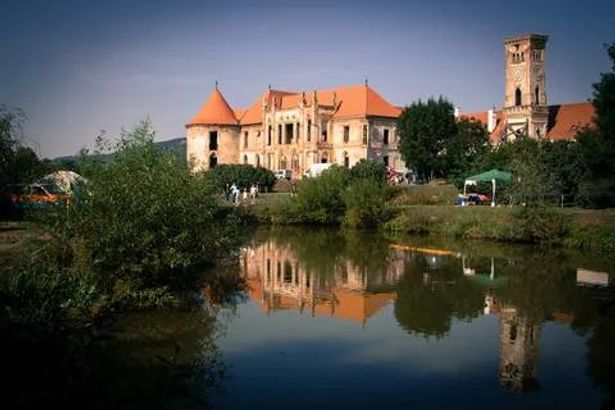
Bánffy Castle has many architectural features including Renaissance, Baroque, Neoclassical and Gothic styles. The castle has undergone many different construction phases and is owned by the Banffy family. Between the years 1437 and 1543, the Banffy family built this castle and lived here up until 1944. At this point, they were evacuated by the Germans who turned it into a military hospital.
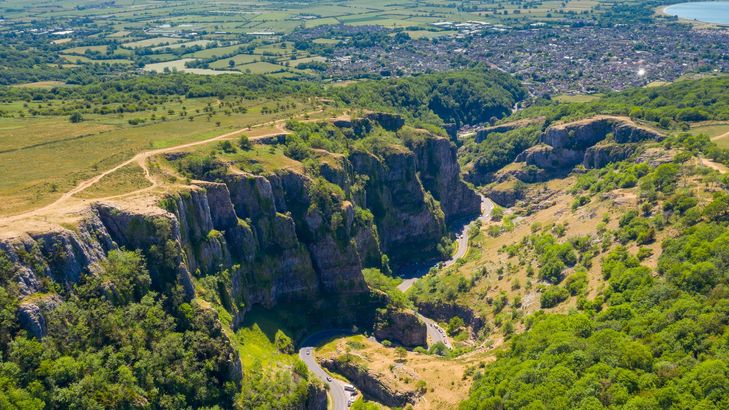
Head 400ft underground to see cave systems formed in the Ice Age. It’s the climate in the caves which provides perfect conditions for maturing the much-loved, authentic cheddar cheese.
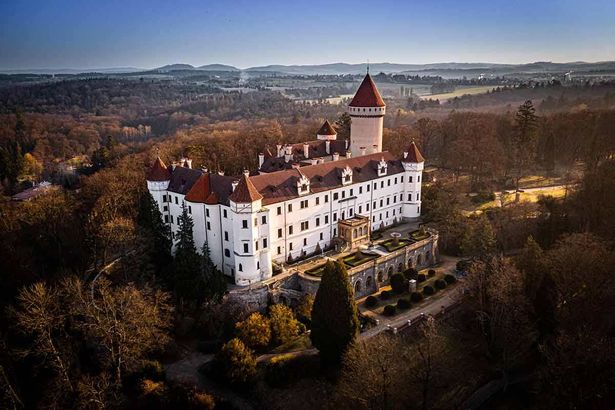
Another of The Czech Republic’s many castles is Konopiste Castle. The 13th-century castle has been home to many of the countries’ most prominent figures and figures from other European countries. The last owner of the castle was Archduke Franz Ferdinand d’Este, whose assassination sparked WWI.
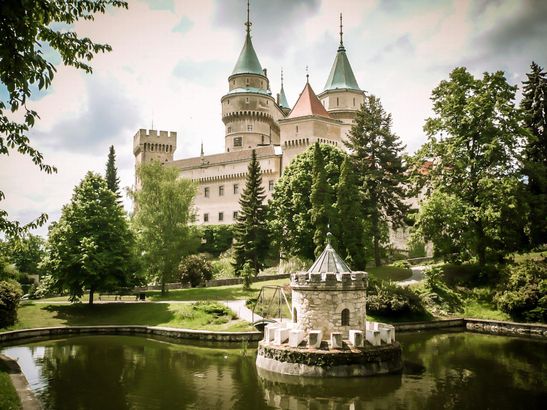
On a travertine cliff stands a castle, unique in its turrets, vast park, and underground cave. It was built in the 9th century, namely for the royal family. During its existence, it was rebuilt several times. On the recommendation of many tourists, you cannot miss the opportunity to appreciate a real work of art in the form of the Boynice altar. It is located in one of the castle towers, and was made by a Florentine master in the 14th century.
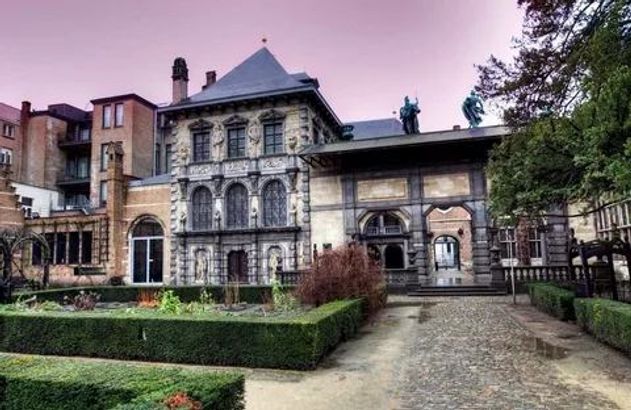
The Rubens House (or Rubenshuis in Dutch) is one of the most important landmarks in Antwerp. It’s here that the world-famous Flemish painter Pieter Paul Rubens (1577-1640) lived and had his workshop. His house was transformed into a museum showcasing many of his paintings. During a visit, you will see where this artist lived and where he painted his masterpieces.

Antwerp’s Central Railway Station is, without a doubt, one of the most beautiful train stations I have ever seen, and it has often been featured on lists containing the most beautiful train stations in the world. This station opened its doors in 1905, and its architecture is amazing. With its beautifully decorated dome and monumental clock, this is one of Belgium’s most beautiful monuments.

Charles IV, Holy Roman Emperor, built Karlstein Castle during the mid-1300s. It was constructed to protect the Crown Jewels, other treasures and to keep people out. The main building is protected behind two walls, secured with two gates and surrounded by a moat.
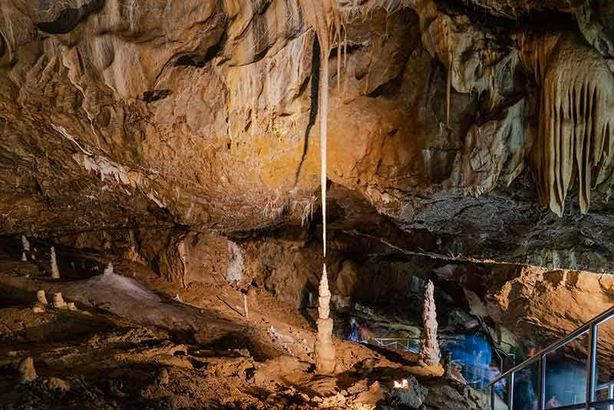
The Punkva Caves are an incredible network of caves and underground rivers part of the Amaterska Cave, the longest cave system in the country. The caves stretch for more than 30 km (19 miles) and possibly further as there may be many more undiscovered caves within the system.