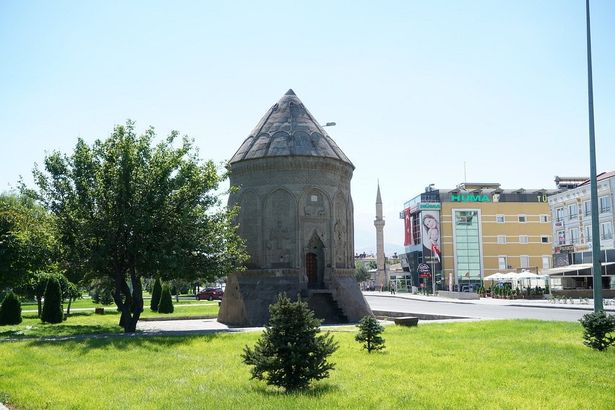
Doner Kumbet, also known as the "Rotating Tomb," is a historic 13th-century mausoleum located in Kayseri, Turkey. It is renowned for its unique architectural feature — a dome that appears to rotate when viewed from certain angles due to intricate geometric patterns. The tomb is believed to house the remains of a respected scholar or dignitary and stands as a remarkable example of Seljuk-era stone workmanship.
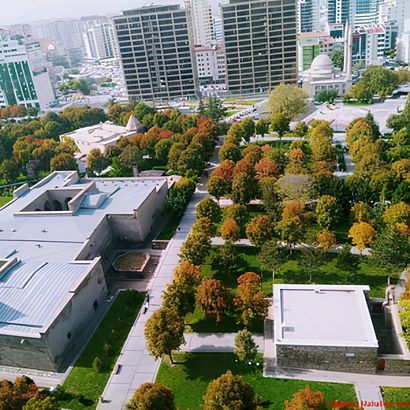
Gültüpe Park is a scenic recreational area located in the Melikgazi district of Kayseri, Turkey. It offers panoramic views of the city and Mount Erciyes, making it a popular spot for locals and visitors alike. The park features walking paths, picnic areas, and peaceful green spaces, perfect for relaxation and outdoor activities.
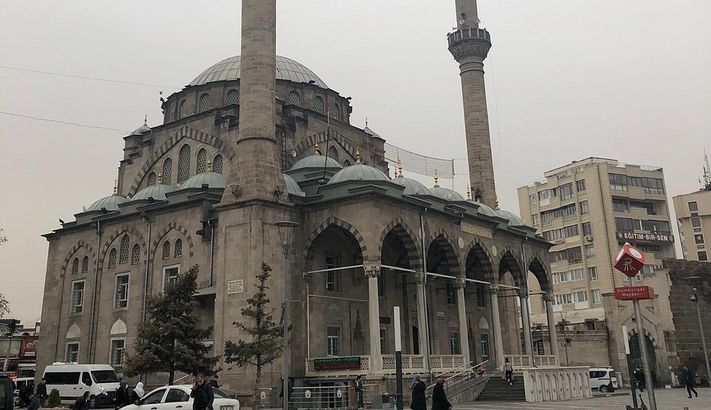
The Twin Minaret Madrasa, located in Kayseri, Turkey, is a striking example of Seljuk architecture dating back to the 13th century. It is named for its two distinctive minarets that flank its grand entrance, an unusual feature among madrasas of that era. Built by the Anatolian Seljuk vizier Sahip Ata Fahrettin Ali, the structure served as both an educational institution and a lodge for travelers and scholars.
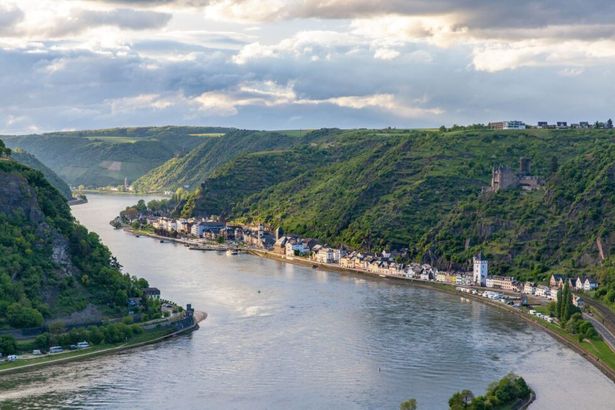
The Rhine Valley, a UNESCO World Heritage Site, encompasses beautiful landscapes, historic towns and renowned vineyards along the Rhine River. Its picturesque scenery features rolling hills, terraced vineyards and medieval castles perched atop cliffs, making it one of the most stunning natural landmarks in Germany. The valley’s charming villages, such as Bacharach and Rüdesheim, showcase Germany’s cultural heritage with half-timbered houses and cobblestone streets.
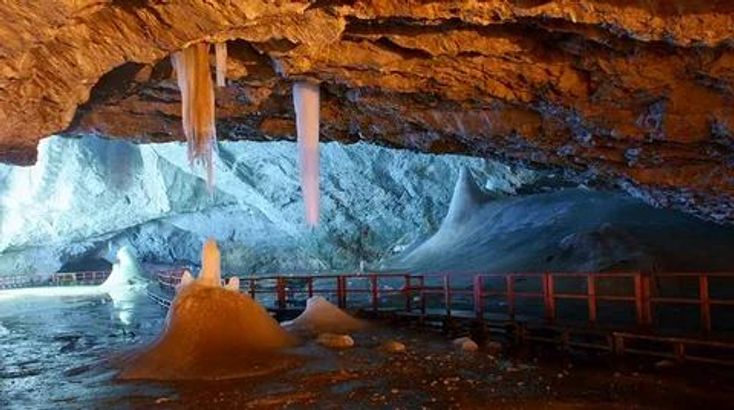
Scărişoara Ice Cave is home to the biggest underground glacier in Romania and the second biggest in Southeastern Europe. It’s considered to be one of the natural wonders in Romania and was first mentioned in 1863 by Austrian Geographer Arnold Schmidl. The Scărişoara Ice Cave is estimated to have formed around 3,500 years ago when this area was covered by glaciers.
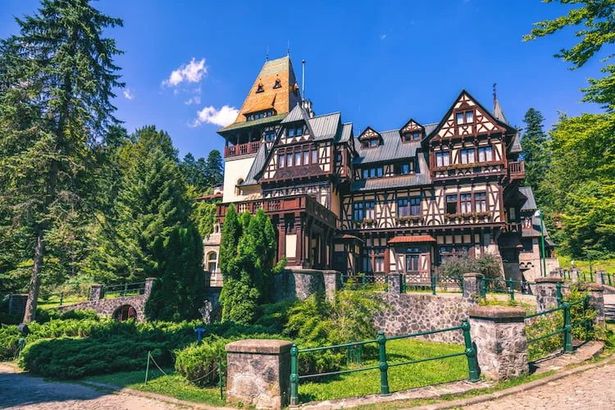
The palace was constructed between 1899 and 1903 by order of King Carol I, who wanted a home for his nephew, the future King Ferdinand. It is located near the far larger Peles Castle. Though it was designed by the Czech architect Karel Liman, Ferdinand’s wife – Queen Marie – is said to have played an important role in styling the Art Nouveux interior.
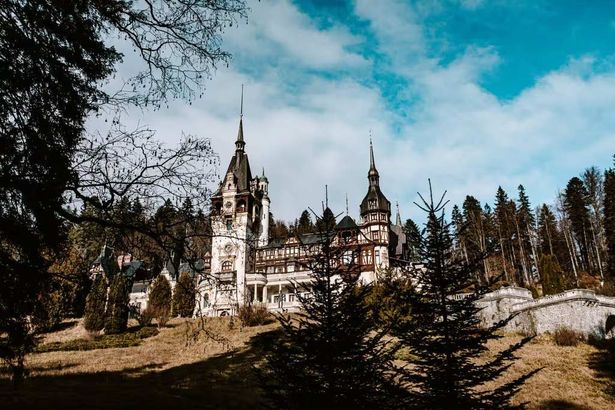
Peles Castle is located in the charming town of Sinaia, nestled at the foot of the Bucegi Mountains. It’s a Neo-Renaissance castle with intricate and wonderful architecture and is recognised by many as one of the most beautiful castles in Europe. Peles Castle was commissioned by King Carol I in 1873, and after it was built served as the summer residence of the royal family until 1947.
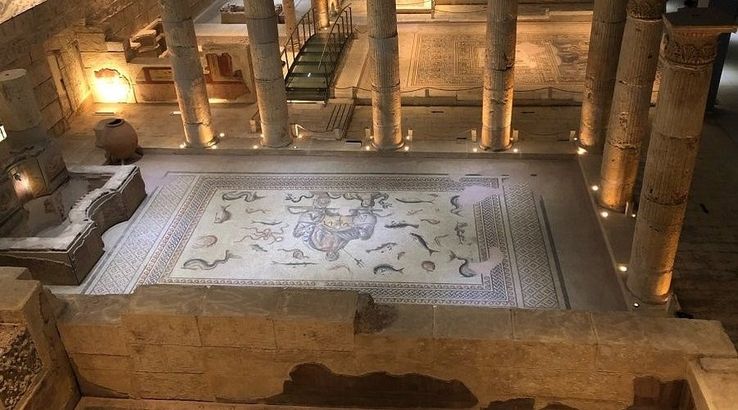
The Zeugma Mosaic Museum, located in Gaziantep, Turkey, is home to one of the world's largest collections of ancient Roman mosaics. These mosaics were recovered from the ancient city of Zeugma, which was once a major cultural and commercial center. The museum showcases beautifully preserved artworks that reflect the grandeur and daily life of the Roman Empire's eastern provinces.
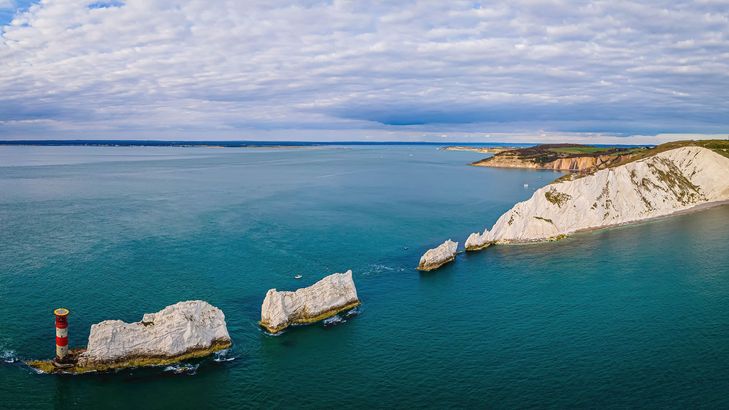
The needles are an iconic landmark to visit on the Isle of Wight. You’ll find plenty to do on the lovingly named Dinosaur Island. A trip on the cable cars to see the coloured sands and vertical rocks is a must.

Commanding a strategic crossroads for hundreds of years, Bran Castle in Romania is an impressive medieval fortification and popular tourist attraction. Famously known as Dracula’s Castle, Bran in fact has little or no link to any of the legends surrounding the fictional vampire or even the genuine figure of Vlad the Impaler, on who the character is loosely based.

Lake Tisza is the largest artificial lake in Hungary, located on the southeastern edge of Heves County. The lake was created in 1973 as part of a flood control project on the Tisza River. Tourists can enjoy various activities on Lake Tisza, including swimming, boating, biking, observing flora and fauna, fishing, hiking and excursions.
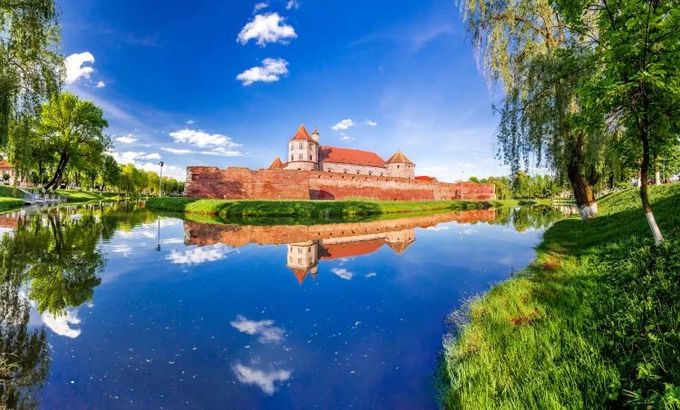
The fortress was built in 1310 on the site of a 12th century wooden fortress which was burnt by the Tartars in 1241. It was later enlarged between the 15th and 17th centuries to create a square castle surrounded by a further thick curtain wall with five towers. After this, it was considered to be one of the strongest fortifications in Transylvania.
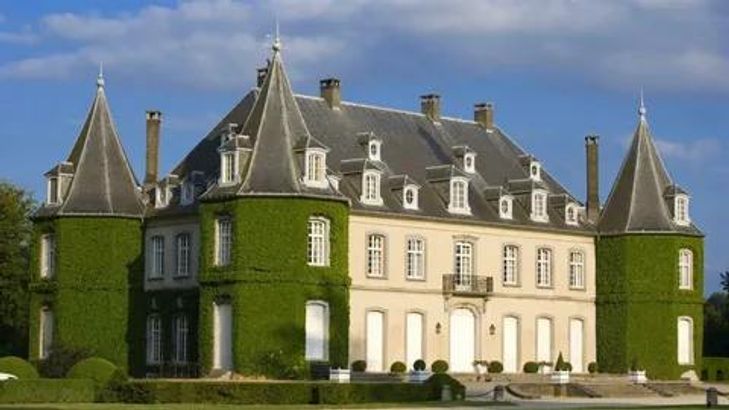
La Hulpe Castle, also known as Solvay Castle, is located on the outskirts of Brussels, and this is another one of my favourite landmarks in Belgium. This beautiful castle was built on the demand of Marquis Maximilien de Béthune in 1842 and later bought and restored by industrial chemist Ernest Solvay.
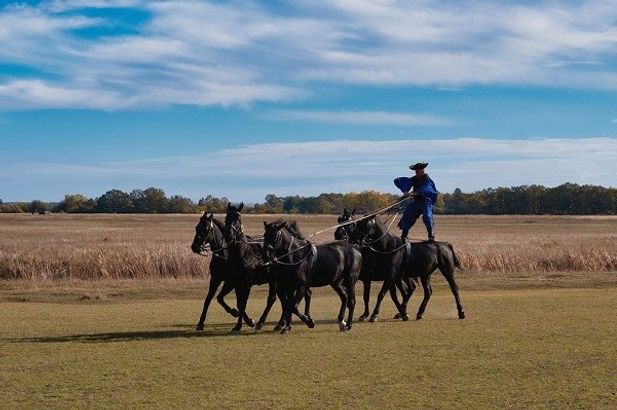
This national park is home to a unique landscape, unlike much you’ve probably seen in Central Europe. This area is primarily home to grasslands, swamps, pastures, and floodplains. In the late 1990s, it was deemed a UNESCO World Heritage Site due to the area's importance in Hungarian culture and wildlife.
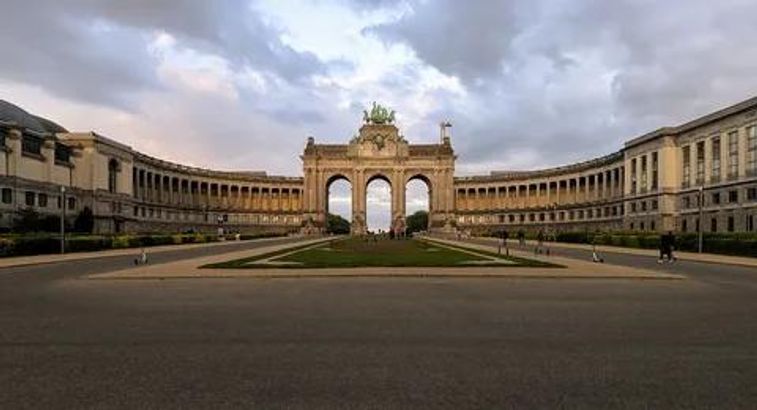
This beautiful arcade was built for the National Exhibition of 1880 and commemorates the 50th anniversary of the Belgian Revolution. It features three arches along with a bronze quadriga at the top, and it’s often compared to Berlin’s Brandenburg Gate.
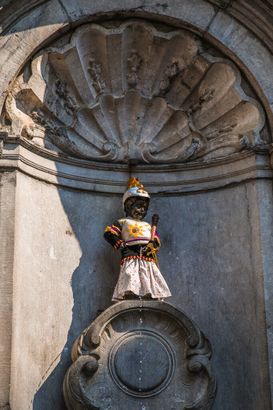
Manneken Pis is, without a doubt, one of the most famous landmarks in Brussels (and the rest of Belgium). This bronze statue of a peeing little boy is dedicated to the legend of a boy who once saved the city from being burnt out by extinguishing a fire with his willy. It’s interesting to note that this statue has over 1,000 different costumes.

Brussels’ main square, the Grand Place (or Grote Markt in Dutch), is one of the most beautiful squares in Europe. In my opinion, this place alone makes Brussels worth visiting. With its beautiful Town Hall and guild houses, the Grand Place is home to some amazing architecture, and it’s one of these places that you cannot miss during a visit to the Belgian capital.
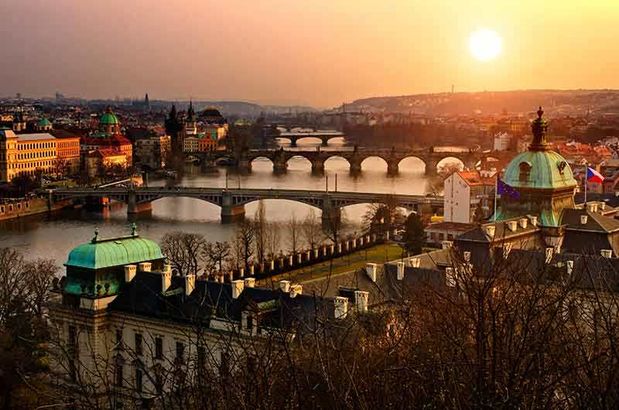
The Vltava is the Czech Republic’s longest river. It begins in two separate locations, Bohemian Forest and Bavarian Forest, before merging. Water flows through valleys with locks and due to its narrow formation, there are many restrictions in place should boats want to use its waterways.
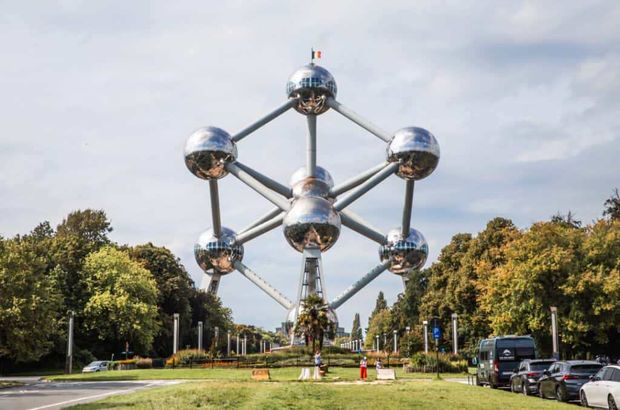
Built for the Brussels World Fair of 1958 (Expo 58), the Atomium was designed to last only for six months. However, it became so popular among locals that the authorities decided to keep it. This giant molecule was built as a tribute to scientific progress, and at the same time, it’s a tribute to Belgian engineering skills.

Salina Turda is the world’s most spectacular underground formation that has been shaped by people. It is one of the most popular tourist attractions in Romania, and upon entering it isn’t hard to see why. It’s thought that salt was first extracted here during the Middle Ages from 1075 to the early 20th century.