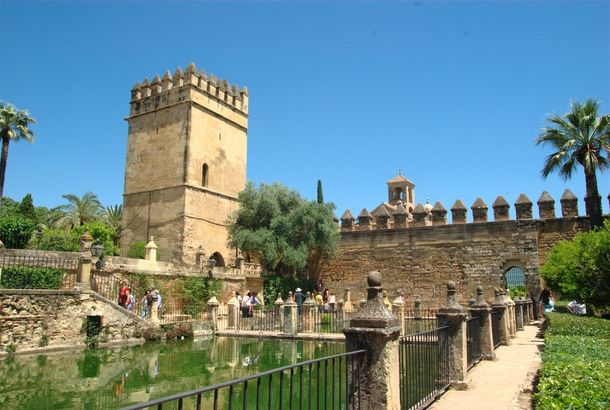
The Alcazar of the Christian Monarchs in Cordoba is a palace or residence of the Spanish monarchs. The unique historical monument occupies 4.1 thousand square meters, and its gardens - another 55 thousand square meters. The Alcazar was built on the site of a Moorish fortress in 1328 by order of King Alfonso XI. The building became the home of the royal families of Spain during their stay in Cordoba. Only the Main and Lion Towers remain from the original building.
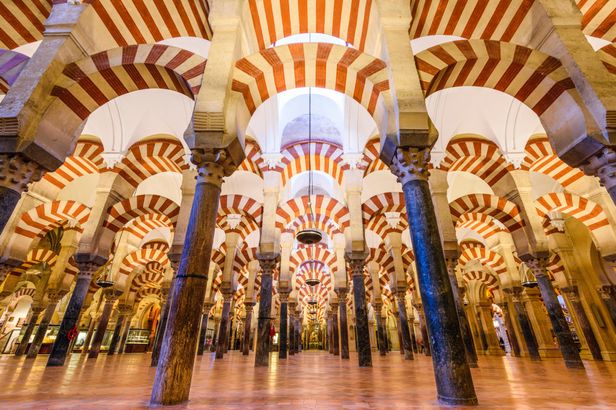
Mosque-Cathedral of Córdoba, Islamic mosque in Córdoba, Spain, which was converted into a Christian cathedral in the 13th century. There are more than 500 columns and overlapping arches inside that create impossible perspectives, rooms with stunning decorations, authentic artisanal filigrees, etc.
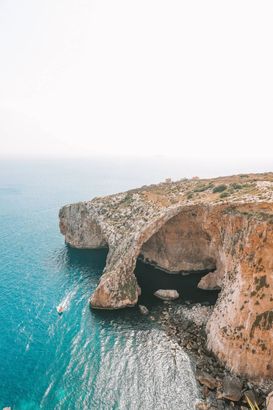
The Blue Grotto is perched on the southern end of Malta and easily reached by boat or seen from above (which is better if you tend to get a little seasick). Due to the caves location and the morning light, this time of day/morning showcases a unique mix of incredible blues and underwater scenery that’s transformed with the morning sunlight.
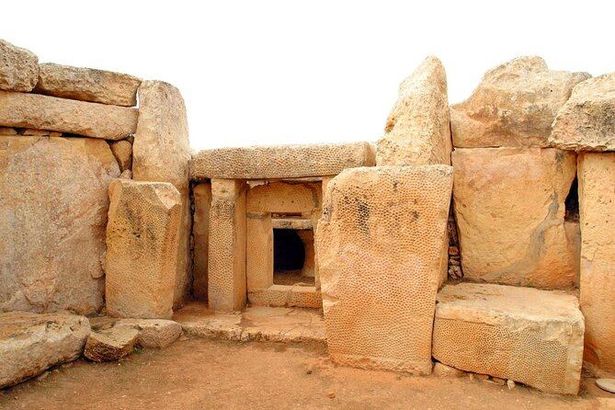
A megalithic temple complex on the island of Malta’s southern coast, Hagar Qim is one of the earliest freestanding stone buildings on Earth. Part of a UNESCO World Heritage Site that includes six other Maltese megalithic temples, the complex dates back to the 4th millennium BC, and is among the best-preserved of those landmarks.
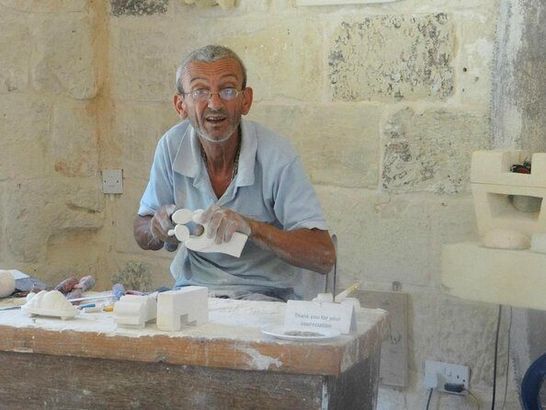
Occupying a quarry in the town of Siggiewi, Limestone Heritage, Park and Gardens is a family-friendly attraction that features limestone structures and exhibits that guests can explore while listening to audio guides. You can also watch live carving demonstrations and spend time cuddling up to farmyard creatures at the petting zoo.
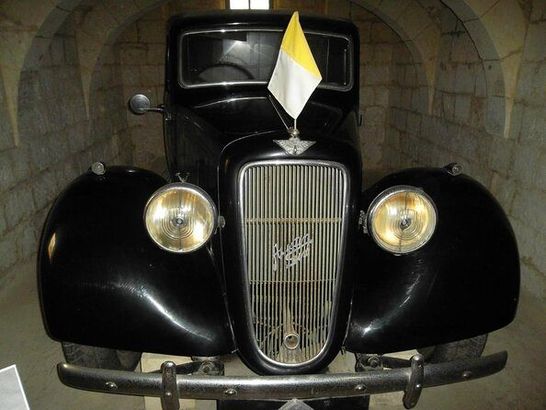
A visit to the Wignacourt Museum, which traces the history of the area over the last thousand-odd years, immerses you in Malta's history. You'll find Maltese and European art, relics, and reliquaries, plus a replica of the Shroud of Turin. You also get to wander an underground labyrinth of catacombs.
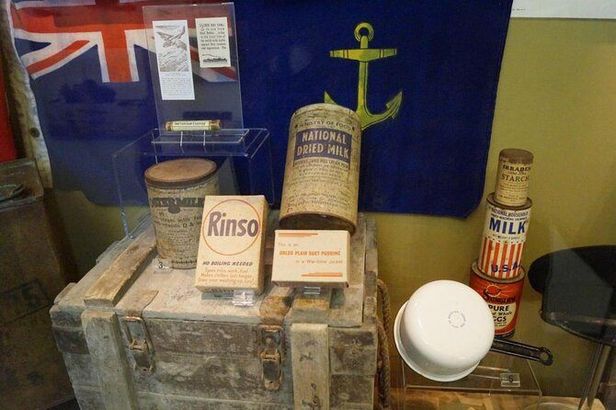
Housed in an old army barracks, the Malta at War Museum focuses on Malta's military history, particularly concerning the Siege of Malta in World War II. Here, you'll find ephemera, displays, and documents on this part of Malta's history.
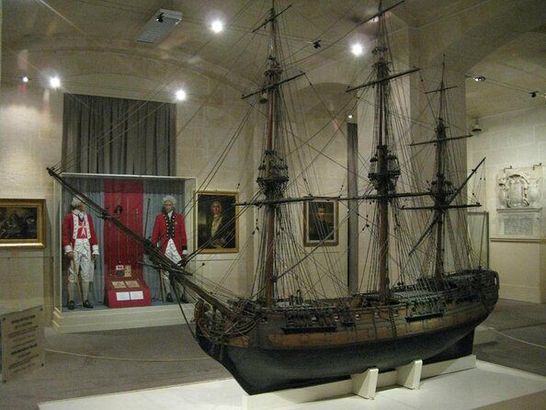
Housed in a formal naval bakery in Vittoriosa, the Malta Maritime Museum is yet one more example of how proud the country is of their history – this time, with the focus being the seas surrounding the island. And because there is an ongoing search for more artifacts, it's a site that's worth revisiting on subsequent trips.
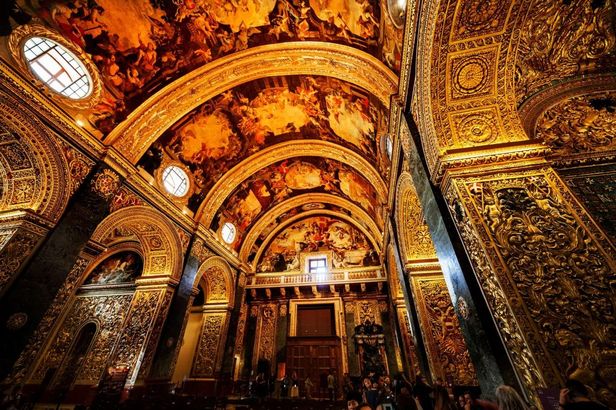
The outside of St John’s is almost dour in its military-style plainness, but inside is one of Europe’s most dazzling displays of baroque excess — a symphony of gold, paint and coloured marble. This is the church of the Knights of St John; a number of the Order’s Grand Masters are buried in its crypt, and the oratory is home to two spectacular paintings by Caravaggio.
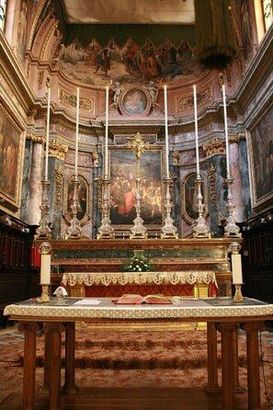
The 16th-century Church of St. Paul's Shipwreck is one of the oldest and most important churches in Valletta. It was built on the site of an older temple to St Paul; this incarnation dates back to the 1580s, with a baroque facade dating to 1885. The interiors are covered from floor to ceiling with gilded frescoes and paintings.
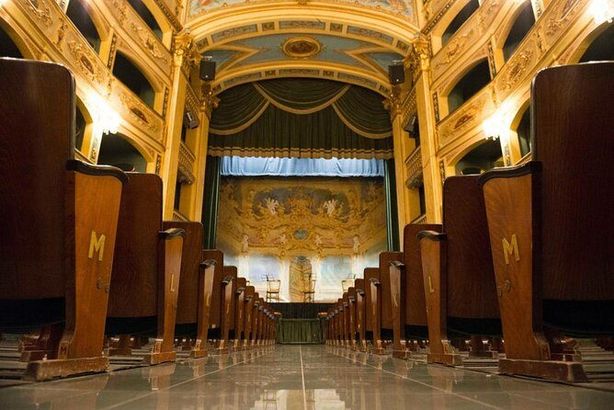
This gem of a theater was built in 1732 by a wealthy knight to provide entertainment for the troops, and has been open on-and-off ever since. Built in a Mannerist style on the outside and containing gold and gilt opulence on the inside, the main auditorium has a delicately patterned blue and gold trompe l'oeil ceiling and seats 623 audience members.
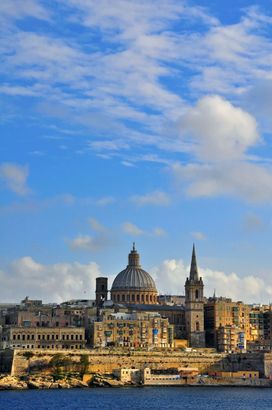
Probably the most iconic Basilica’s in the Country, The Basilica of Our Lady of Mount Carmel is one of the best places in Malta to see. It’s perfect to explore on your day in the capital. Keep your eyes peeled for the painting of Our Lady of Mount Carmel that’s inside, too.
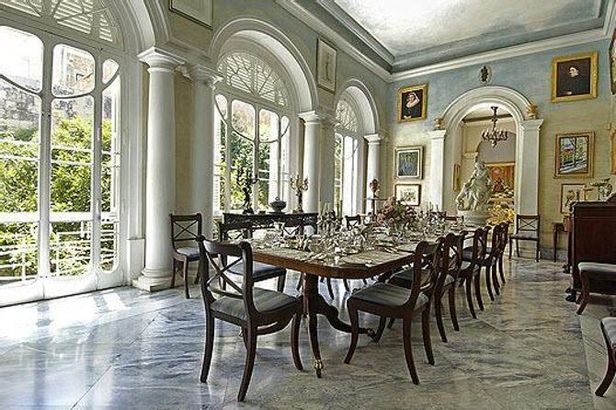
This miniature stately home was built in the 1680s for a Knight of St John, and has subsequently been occupied by many aristocratic Maltese families. Today it is open daily for guided tours that showcase both the architectural development of the mansion and the archive of fabulous wealth held by the current owner, the Marquis de Piro.

Boasting a collection of more than 100 classic cars and motorbikes, the Malta Classic Car Collection pays homage to a private collector’s love of vintage cars. Spend some time admiring models, ranging from Ford Thunderbirds and Triumph Spitfires to Fiats, then watch mechanics restore cars in the open workshop.
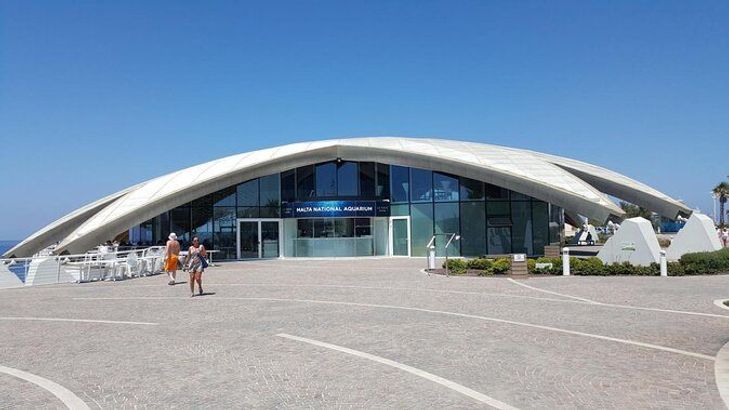
Spread out over one starfish-shaped floor, the Malta National Aquarium is a great place to see marine species from the Mediterranean and beyond. Step inside to see hundreds of saltwater and freshwater fish species, along with reptiles and amphibians, in massive tanks designed to imitate their natural environments.
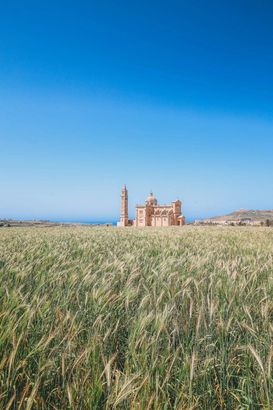
Just a 35-minute walk from Gharb in Gozo, the Basilica of Ta' Pinu is a picturesque site that is well worth a visit. The Roman Catholic basilica and national shrine features neo-romantic architecture and sea views.
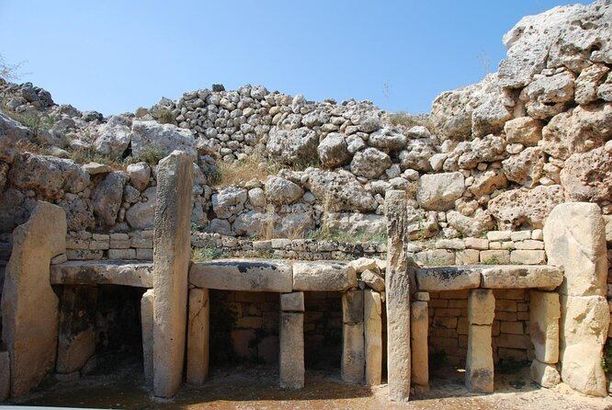
Built between 3,600 and 3,200 BC, this pair of Neolithic temples are among the oldest religious structures still standing on Earth. Not much is known about their history, though the presence of animal bones, water holes, and stone hearths have led archeologists to believe that the temples may have been used for rituals or feasts.
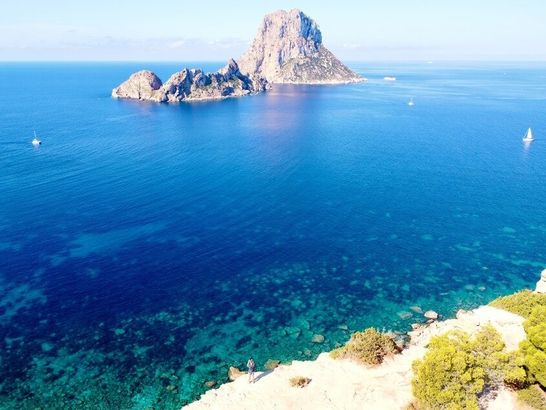
Every Sunday there is a unique show on the beach. At sunset, local hippies with tom-toms gather by the sea, seeing off the setting sun with music - this is an unusual tradition of Ibiza. Many people come here specifically to enjoy the views to the sounds of drums. There is a bar, restaurants with local cuisine and small shops on the territory.
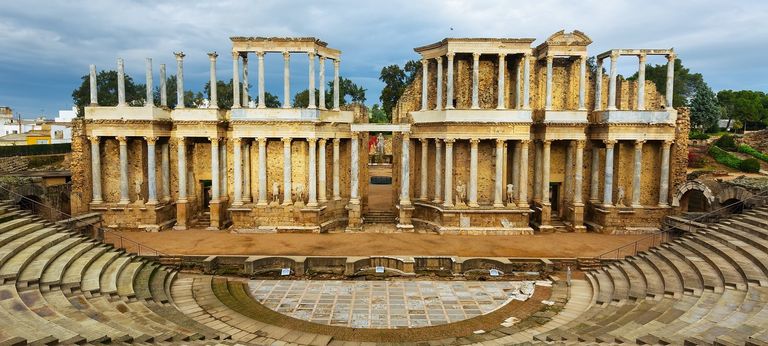
The Theatre was constructed under the patronage of Agrippa, son-in-law of Augustus, between the years 16 and 15 BC, when the Colony was promoted as the provincial capital of Lusitania. Like the adjacent Amphitheatre building, the Theatre was built partly on the slope of a hill, something which substantially lowered the costs of its stonework.
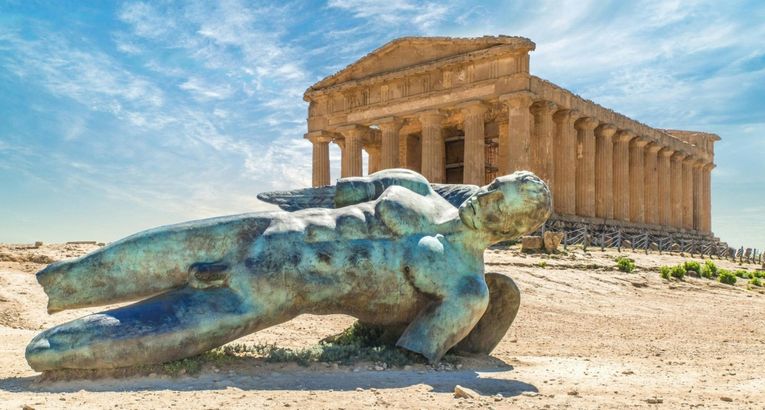
The Valley of the Temples is a vast archaeological site in Agrigento, Sicily, Italy, featuring some of the best-preserved ancient Greek temples in the world. Dating back to the 5th century BC, these grand structures were built during the height of the Greek colony of Akragas. Surrounded by rolling hills and olive trees, the site offers a breathtaking glimpse into classical antiquity and is a UNESCO World Heritage Site.