
The City of Arts and Sciences is one of the best examples of modern architecture, which is why it regularly appears on lists of the best high-tech buildings in the world. The complex is divided into 5 buildings, inside which everyone will find entertainment to their taste. The City of Arts and Sciences has a theater stage, a cinema, a planetarium, a gallery, a garden, a science museum, an oceanographic park, sports and concert venues, swimming pools, bars and cafes.
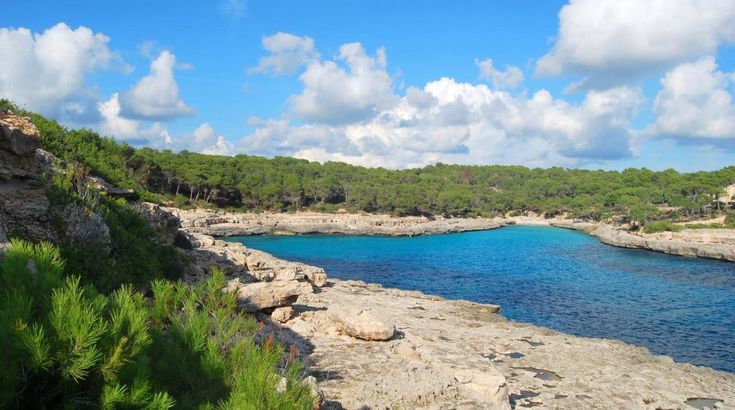
This entire natural area, with its beaches of fine white sand and crystal clear water, with impressive cliffs and interior areas, is of particular interest throughout the year. The landscape of this park is varied and diverse. In the coastal area, you can see ravines through which mountain streams flow into the sea through beautiful beaches with sand dunes, as well as beautiful cliffs.
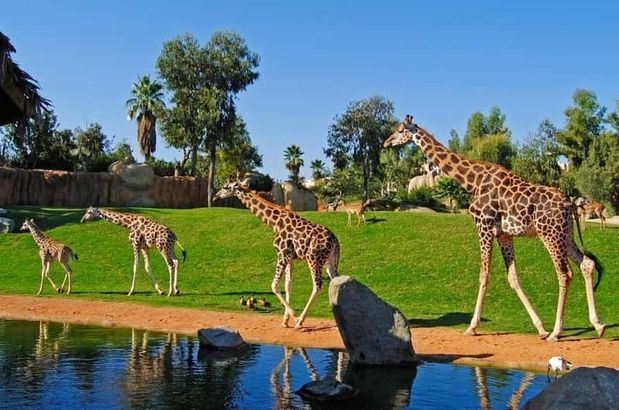
The Bioparc is located in Valencia, within the Cabecera Natural Park. It is a fascinating and unique place that will allow you to immerse yourself in the world of animals and get to know them like never before. In the Bioparc, with an area of 100 thousand m2 dedicated to a wildlife sanctuary, in an incomparable setting, you will have the opportunity to visit some of the different ecosystems that exist on our planet.
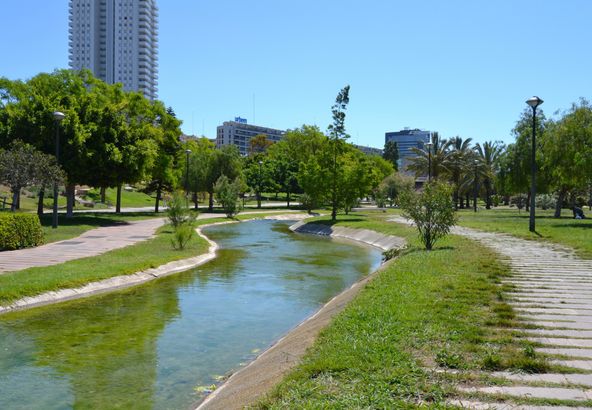
The once dry riverbed has been transformed into a beautiful park with playgrounds, bike paths and picnic areas - ideal for family fun.
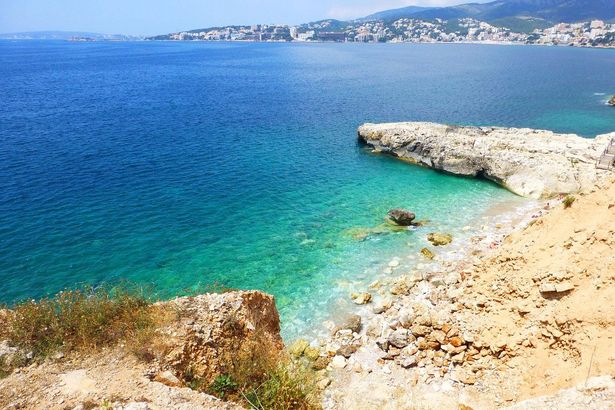
The beach is in a cozy bay with white sand and clear transparent water. The views are magnificent: from here you can see several islands and the coast of Ibiza. The beach has everything you need for a good holiday, including diving, surfing and sailing schools.
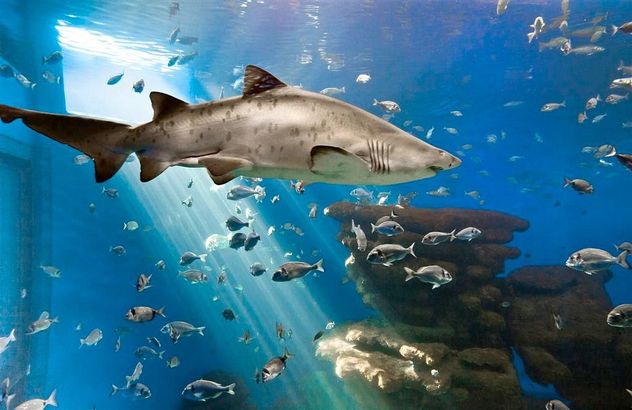
An exciting destination for families, the aquarium offers interactive exhibits and a variety of marine life. Special events such as feeding sessions or educational talks can enhance the experience for children.
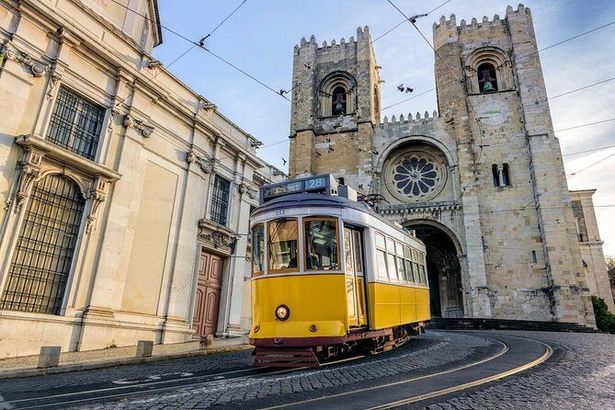
One of Lisbon’s most iconic symbols, the yellow tram 28 rattles through the narrow streets and offers a unique perspective on the city. It’s one of the most popular things to do in Lisbon, for the sake of nostalgia as well as sightseeing: Highlights along the route include São Jorge Castle, the Sé Cathedral, and Jardim da Estrela park.
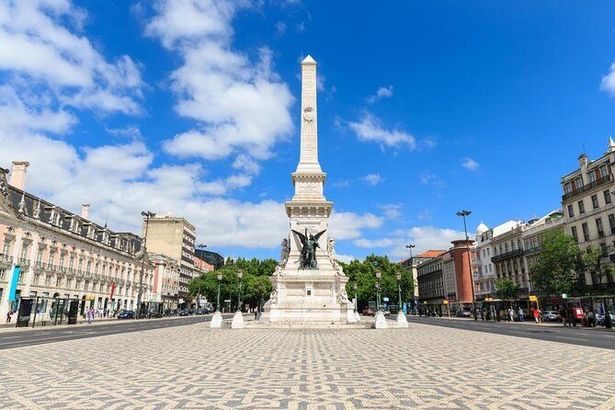
A popular Baixa meet-up point, this spacious square commemorates Portuguese independence. Landmark structures such as the baroque-style Foz Palace, the art deco Teatro Eden, and the former Condes cinema building line its border, while a 98-foot (30-meter tall obelisk—the Monument to the Restorers—stands at its center.
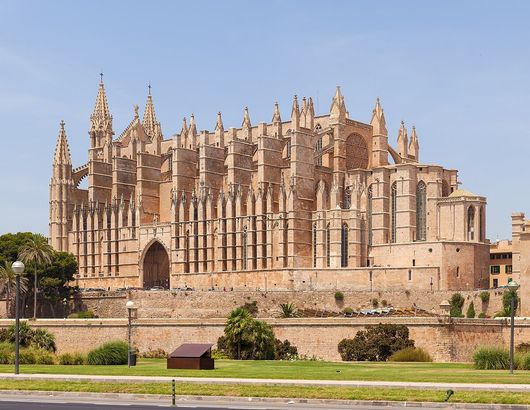
La Seu Cathedral was conceived by King Jaime I of Aragon as a royal burial place. Although the monarch himself is not buried there, the remains of his son, Jaime II, have been inside the temple for many years. On February 2 and November 11, an unusual phenomenon can be observed here, when sunlight passes through a rosette, as a result of which the image projected on the wall creates a double rosette.
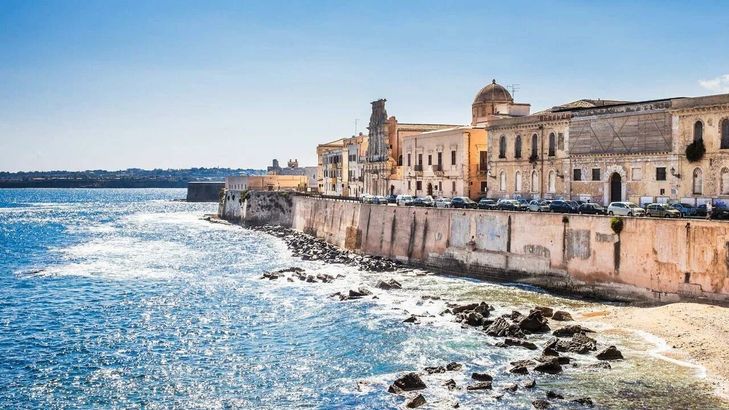
Ortigia is the historic island center of Syracuse, located off the southeastern coast of Sicily, Italy. Rich in ancient Greek and Roman ruins, Baroque architecture, and charming narrow streets, it offers a unique blend of history, culture, and seaside beauty.
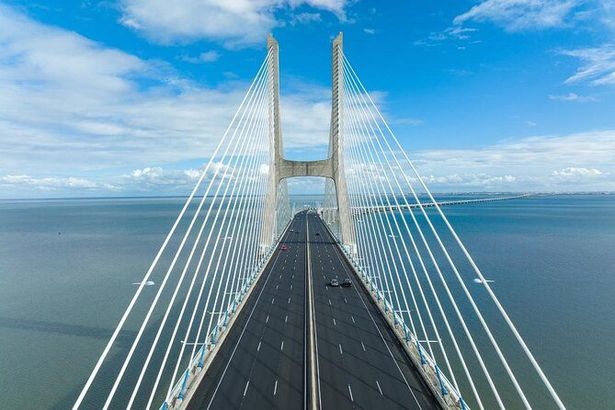
Visible in the distance from any of Lisbon’s famous seven hills, the Tagus River is a lasting symbol of the city. Lisbon’s river port is one of busiest in Europe, and numerous container ships and cruise ships sail into town along the Tagus. Sightseeing boats and ferries also travel along the Lisbon riverfront.
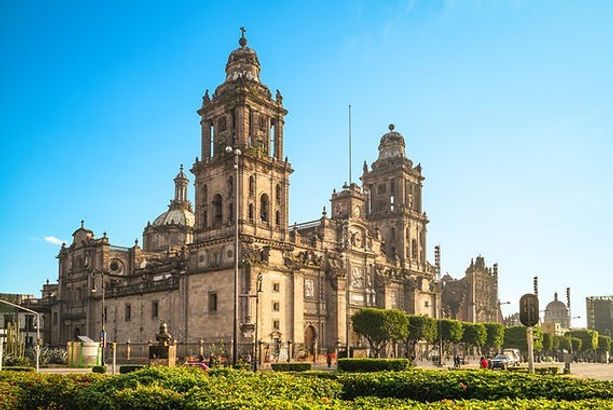
The Cathedral of Saint Mary is an architectural monument of great cultural and religious significance for the entire state, and is also one of the largest cathedral complexes in Europe. The building is significant in size, combining typical Gothic features with elements of Moorish architecture. The cathedral was erected on an ancient Roman foundation, and the date of completion of construction is the 15th century.
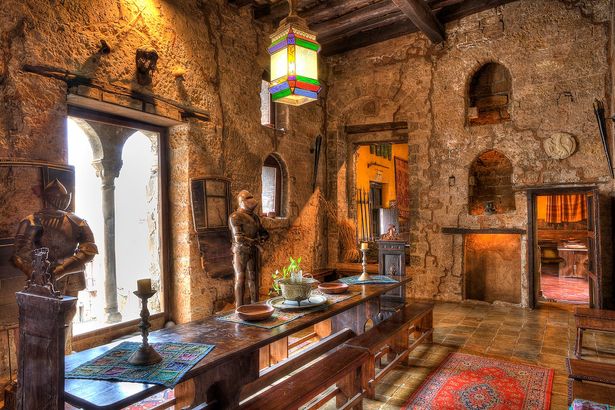
Palazzo Conte Federico in Palermo is a historic noble residence located in the heart of Sicily’s capital, Palermo, Italy. Dating back to the 18th century, it showcases elegant Baroque architecture and luxurious interiors with frescoed ceilings, antique furnishings, and ornate decorations. The palace offers a glimpse into Sicily’s aristocratic past and is sometimes open to visitors for cultural events and guided tours.
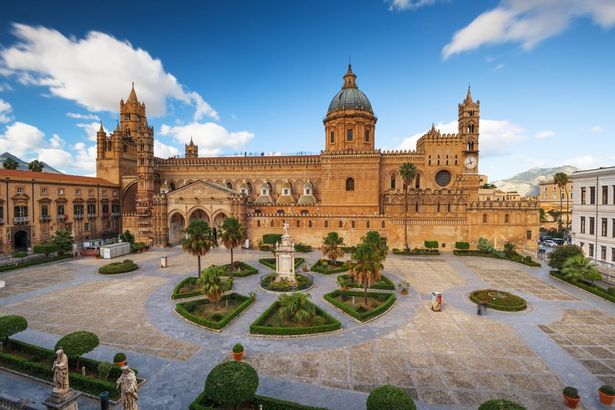
Palermo Cathedral is a historic church located in the heart of Palermo, Sicily, Italy. Built on the site of a former mosque, it reflects a rich blend of architectural styles, including Norman, Gothic, Baroque, and Neoclassical. Construction began in 1185, and the cathedral has undergone numerous renovations over the centuries. It houses the tombs of several Sicilian rulers, including Emperor Frederick II, and is a UNESCO World Heritage Site as part of the "Arab-Norman Palermo" group.
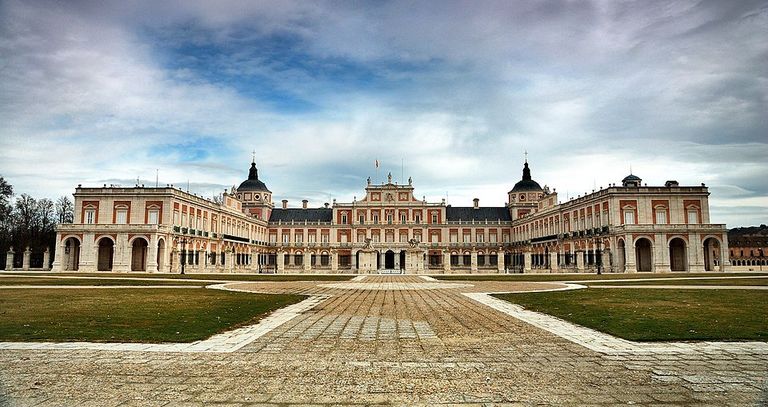
The palace is located 48 km from Madrid. The royal palace complex was built in the 17th century as the "Spanish answer" to Versailles - just as luxurious, with a rich and thoughtful garden and park ensemble and original interiors. The palace was the summer country residence of the royal family until the 19th century. In 2001, the royal palace in Aranjuez, along with the adjacent gardens and parks, was included in the list of UNESCO World Heritage Sites.
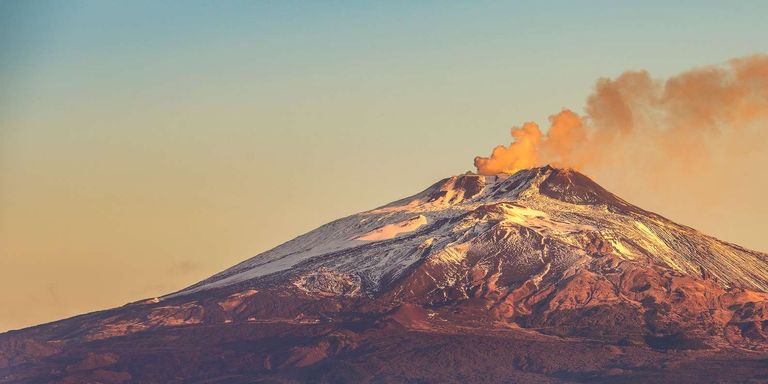
This mountain in Catania is known for being the one of the oldest and most active volcanoes in Europe. At the peak, you can enjoy stunning views of the gorgeous Sicilian countryside, especially magical at sunset. Other than that, there are also incredible craters and ice caves to explore.
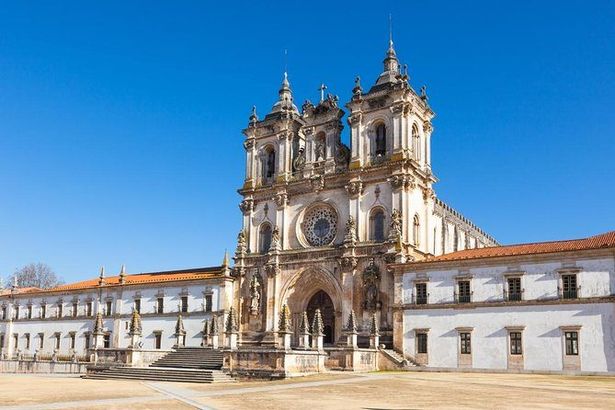
Now the UNESCO-recognized centerpiece of Alcobaça, the 12th-century Alcobaça Monastery (Mosteiro de Alcobaça) was one of Portugal’s first Gothic buildings. Highlights include the elaborately tiled Hall of Kings and the stark and simple nave—the longest in Portugal—while the transept houses the tombs of several Portuguese monarchs.
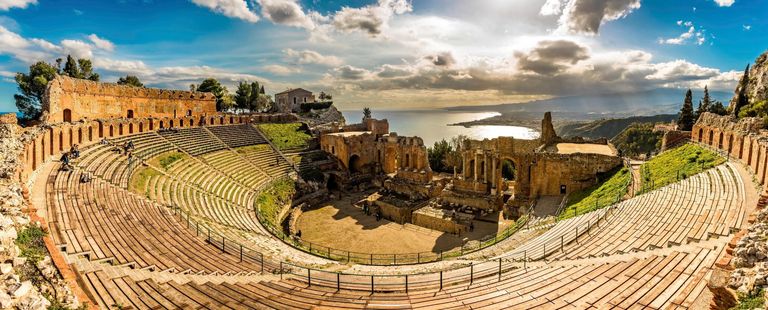
The Greek Theatre of Taormina is an ancient open-air theater located in Taormina, Sicily, Italy. Originally built by the Greeks in the 3rd century BC and later expanded by the Romans, it is one of the best-preserved ancient theaters in the world. Perched on a hillside with breathtaking views of the Ionian Sea and Mount Etna, the venue still hosts concerts, operas, and cultural events, blending historical grandeur with modern entertainment.
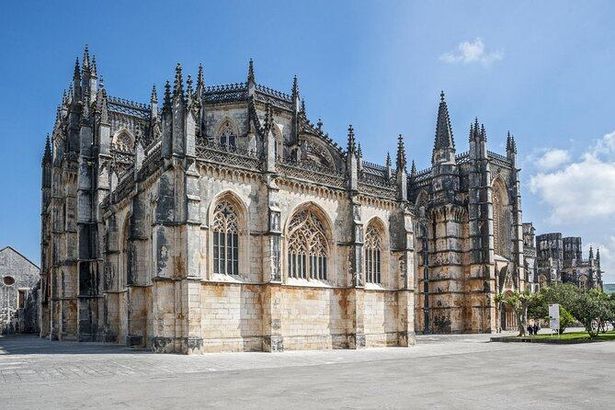
A surprisingly humble interior hides behind the lacy stonework facade, looming gargoyles, and prickly spires of Batalha Monastery (Mosteiro da Batalha), the UNESCO-recognized resting place of Portuguese royalty. Explore the myriad chapels and cloisters, before watching sunlight pool through the statement stained-glass window.
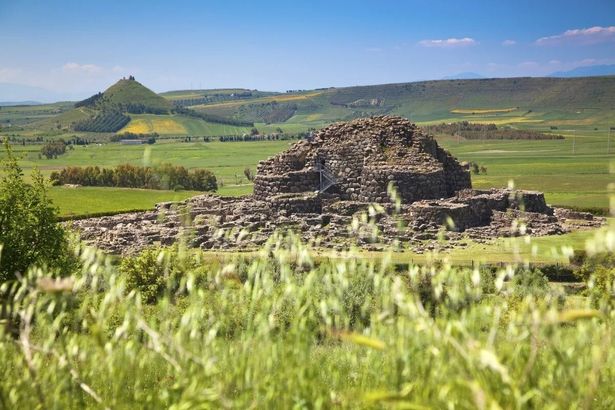
Su Nuraxi is the most famous and well-preserved nuragic archaeological site in Sardinia, Italy. Dating back to the Bronze Age (around 15th–14th century BC), it was built by the Nuragic civilization and features a central stone tower (torre) surrounded by smaller stone structures and defensive walls. Designated a UNESCO World Heritage Site, Su Nuraxi offers valuable insight into Sardinia’s ancient history and unique architectural traditions.