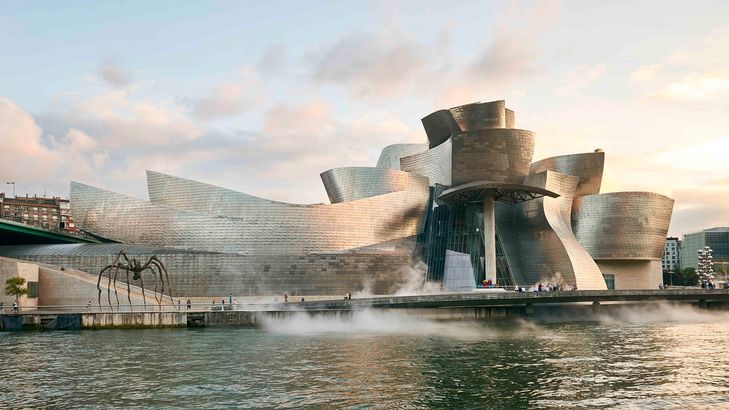
According to the idea of the project creator Frank Henry, the building is an abstract projection of a futuristic spaceship, but everyone sees something different here: an airplane, a bird, a flower, sea waves. The museum regularly hosts thematic exhibitions, and among the permanent ones there are many installations from the last century, which are much more numerous than paintings.
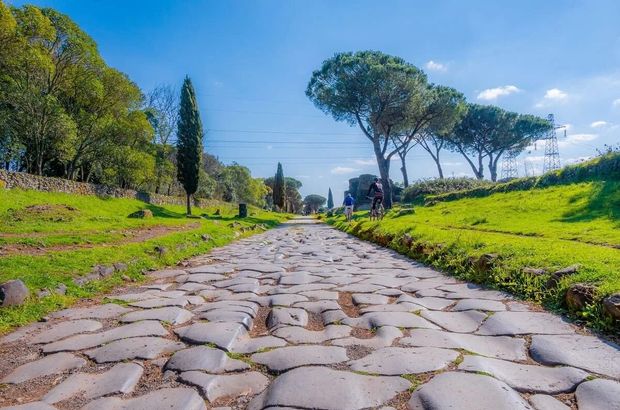
The Appian Way is one of the earliest and most important Roman roads, constructed in 312 BC to connect Rome with Capua and later extended to Brindisi in southern Italy. Known as the "Queen of the Roads," it played a crucial role in Roman military and economic expansion. Today, parts of the ancient road remain paved with large basalt stones and are lined with archaeological ruins, including catacombs, tombs, and ancient villas, making it a popular site for history enthusiasts and cyclists.
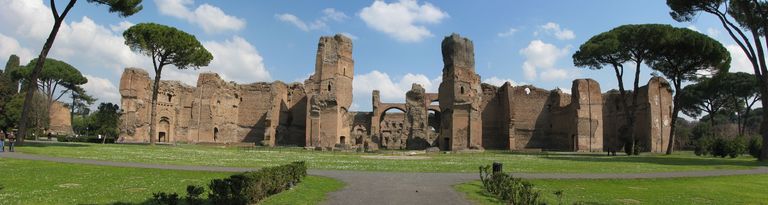
The Baths of Caracalla are the ruins of a massive and luxurious ancient Roman public bathhouse located in Rome, Italy. Built in the early 3rd century AD under Emperor Caracalla, they were among the largest and most opulent bath complexes in the Roman Empire, featuring hot and cold baths, libraries, gardens, and sports facilities. Today, the impressive remains offer a glimpse into Roman engineering and daily life, and the site is often used for summer concerts and cultural events.
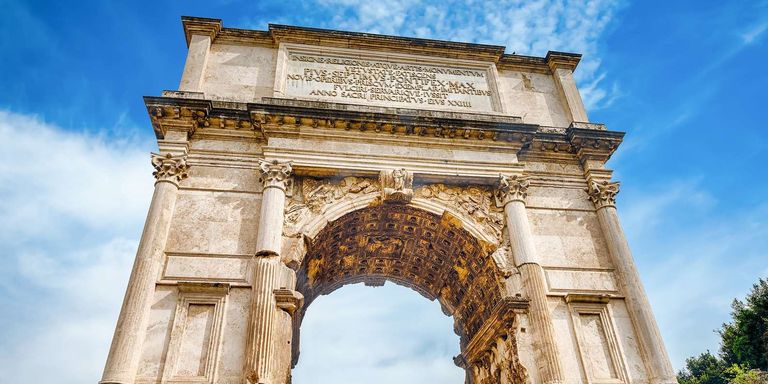
The Triumphal Arch of Titus is a Roman imperial arch located on the Via Sacra in the Roman Forum, Rome, Italy. Built in 82 AD by Emperor Domitian in honor of his brother Titus, it commemorates Titus' victories, including the Siege of Jerusalem in 70 AD. The arch is renowned for its detailed relief sculptures, including the famous depiction of the spoils from the Temple of Jerusalem. It is one of the best-preserved ancient Roman triumphal arches.
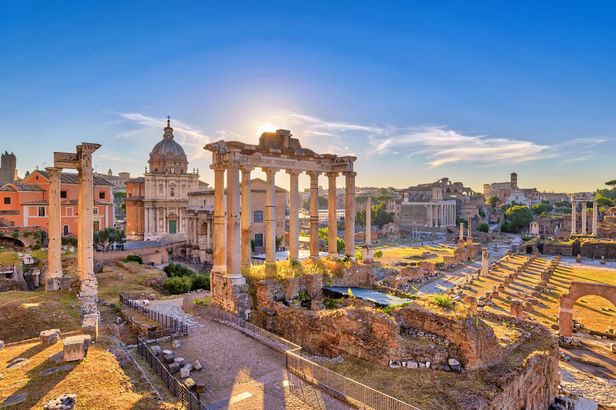
The Roman Forum was the political, religious, and commercial center of ancient Rome, located between the Palatine and Capitoline Hills in Italy. It features the ruins of temples, basilicas, markets, and public spaces that date back over 2,000 years. Today, it stands as a powerful symbol of the Roman Empire’s grandeur and influence, attracting visitors from around the world.
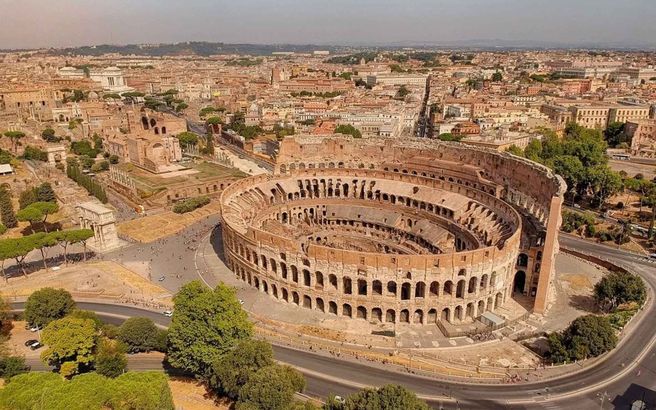
The Colosseum, located in the heart of Rome, Italy, is one of the most iconic and well-preserved ancient Roman monuments. Built in 80 AD, it was used for gladiatorial contests, public spectacles, and theatrical performances. As a masterpiece of Roman engineering and architecture, it remains a symbol of the grandeur and power of the Roman Empire.

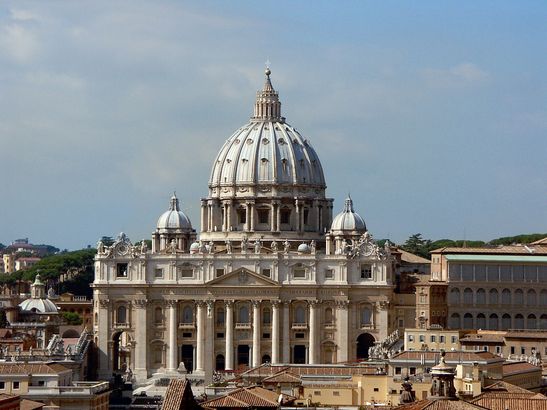
St. Peter’s Basilica is one of the most renowned churches in the world, located in Vatican City, Rome, Italy. Built over the 16th and 17th centuries, it is considered a masterpiece of Renaissance architecture, designed by famous artists like Michelangelo, Bramante, and Bernini. The basilica stands atop the burial site of Saint Peter, one of Jesus' apostles and the first Pope, making it a central site for Christianity.
Il Gesù is the mother church of the Jesuit order, located in Rome, Italy. Built in the 16th century, it is considered one of the most important examples of Baroque architecture and served as a model for many other Jesuit churches around the world. The church houses the tomb of St. Ignatius of Loyola, the founder of the Jesuits, and features stunning frescoes, ornate decorations, and the famous ceiling painting The Triumph of the Name of Jesus .
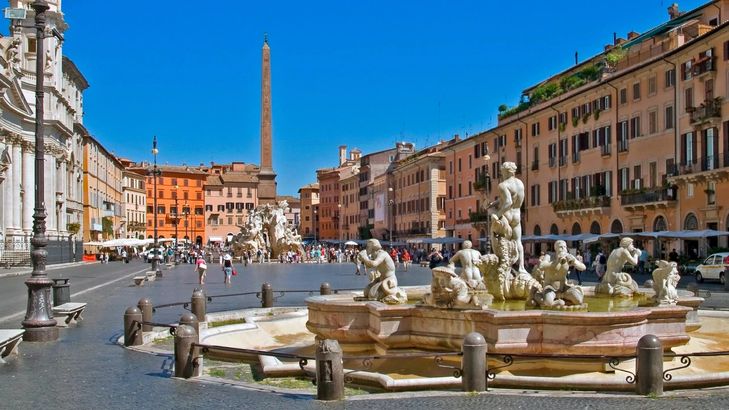
Piazza Navona is a beautiful Baroque square in the heart of Rome, Italy, built on the site of the ancient Stadium of Domitian. It is famous for its stunning fountains, including the Fountain of the Four Rivers by Gian Lorenzo Bernini, and lively atmosphere with street performers, artists, and outdoor cafes. The square hosts markets and events throughout the year, making it one of Rome’s most vibrant public spaces.
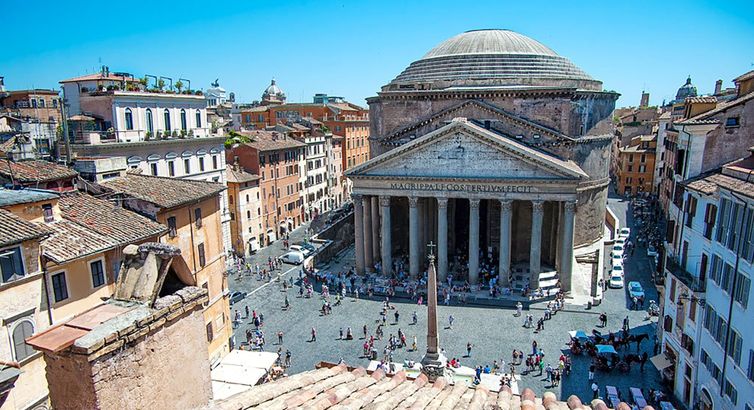
The Pantheon is a well-preserved ancient Roman temple in Rome, Italy, originally built in 27 BC and later rebuilt in 126 AD under Emperor Hadrian. It was dedicated to all the gods of ancient Rome and is famous for its massive domed roof and central oculus that illuminates the interior. Today, it serves as a church and a remarkable example of Roman architectural innovation. Копировать Спроси Объяснить

The Vatican Museums are a vast complex of museums and galleries located within Vatican City, Rome, Italy. They house one of the most extensive and valuable art collections in the world, including works by Michelangelo, Raphael, and other Renaissance masters. Among its highlights is the Sistine Chapel, famous for Michelangelo’s ceiling frescoes and The Last Judgment.
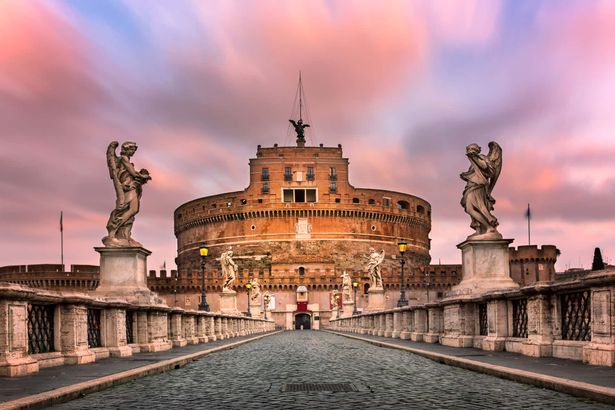
Castel Sant’Angelo is a historic fortress located on the banks of the Tiber River in Rome, Italy. Originally built as a mausoleum for Emperor Hadrian in 139 AD, it later served as a castle, prison, and papal residence. Connected to St. Peter’s Basilica by a fortified corridor, it played a key role in the defense of the Vatican. Today, it is a museum offering panoramic views of Rome and exhibits on its rich history spanning nearly two millennia.
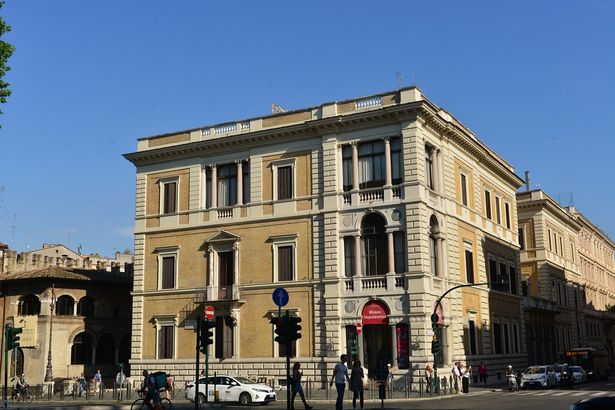
The Napoleon Museum (Museo Napoleonico) is a private museum located in the historic center of Rome, Italy. Founded in 1911 by Prince Marcantonio IV Borghese, it houses an extensive collection of artifacts related to Napoleon Bonaparte and the First French Empire, including personal belongings, uniforms, letters, portraits, and memorabilia. The museum is housed in the beautiful Villa Poniatowski and offers a unique insight into one of Europe’s most influential historical figures.
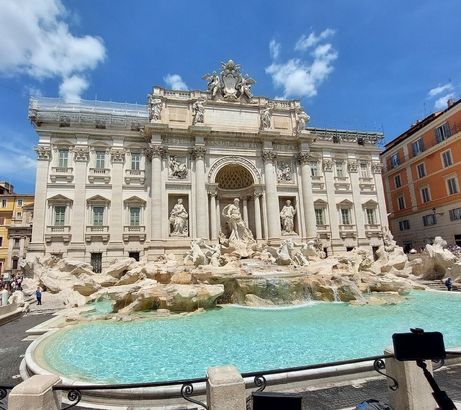
The Trevi Fountain is one of Rome's most famous and elaborate Baroque fountains, located in the Trevi district of Italy. Completed in 1762, it depicts the mythological sea god Oceanus surrounded by tritons and sea creatures, all carved from travertine stone. Visitors traditionally toss coins into the fountain to ensure their return to Rome, making it a beloved symbol of the city’s charm and history.
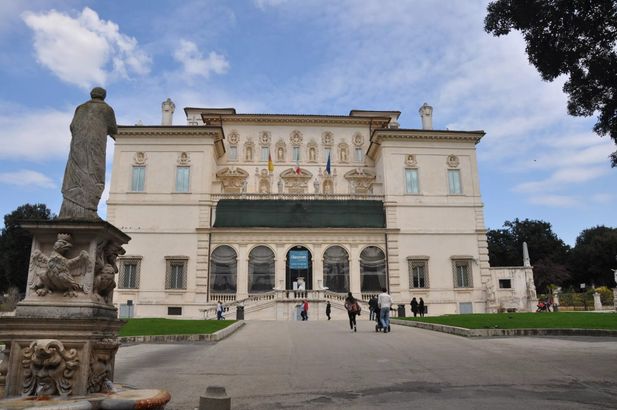
The Museum in the beautiful setting of Villa Borghese in Rome preserves sculptures, reliefs and ancient mosaics, and paintings and sculptures from the fifteenth to the eighteenth century. The collection, made up initially by Cardinal Scipione Borghese in the early seventeenth century, preserves masterpieces of Antonello da Messina, Giovanni Bellini, Raffaello, Tiziano, Correggio, Caravaggio and beautiful sculptures of Gian Lorenzo Bernini and Canova.
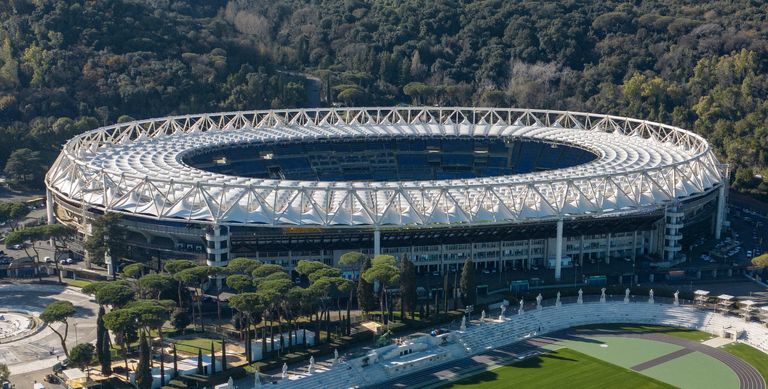
The Olympic Stadium (Stadio Olimpico) in Rome, Italy, is the largest sports venue in the country and the home ground for both AS Roma and SS Lazio football clubs. Originally built for the 1940 World Cup (which was later canceled due to World War II), it has hosted major international events, including the 1960 Summer Olympics and the 1990 FIFA World Cup matches. With its modern facilities and historic significance, it remains a key landmark in Italian sports culture.
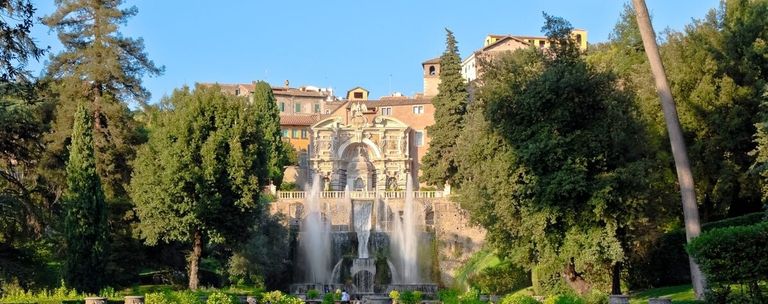
Villa d'Este is a historic 16th-century villa located in Tivoli, near Rome, Italy. Originally built for Cardinal Ippolito II d'Este, it is famous for its magnificent Renaissance gardens, featuring elaborate fountains, water features, and beautifully landscaped terraces. A UNESCO World Heritage Site, the villa exemplifies the grandeur of Italian Renaissance architecture and garden design.
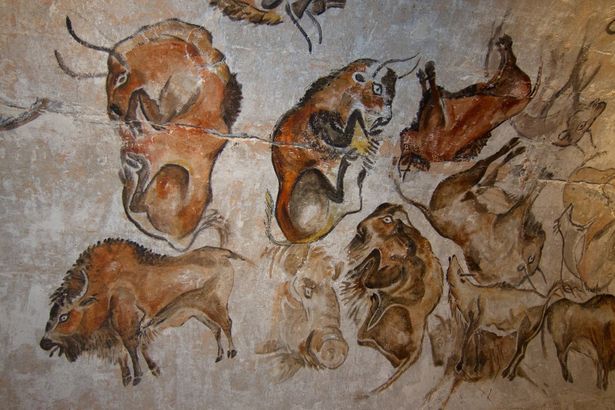
One of the most famous caves in the world with rock paintings from the Paleolithic era is located in the north of Spain, 30 km from the city of Santander. Altamira is the name of the cave, which was discovered by a Spanish amateur archaeologist at the end of the 19th century. Since 1985, the cave with its truly artistic paintings inside has been included in the UNESCO World Heritage List.
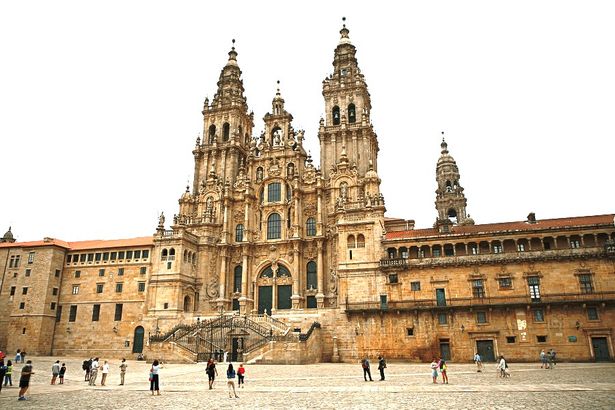
Each of the four facades of the cathedral is strikingly different from the neighboring ones, and the reason for this is the multiple reconstructions undertaken in the 16th-18th centuries. The cathedral is famous not only for the relics of St. James, but also for the largest censer in the world: it weighs 80 kilograms, and is comparable in size to an adult person. To fill such a vessel, 40 kg of coal and the same amount of incense are needed.
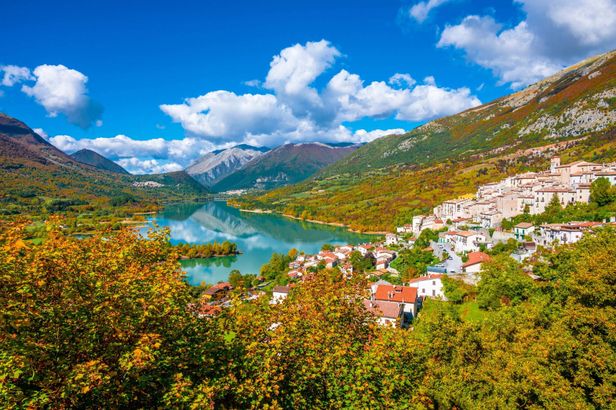
The Abruzzo, Lazio and Molise National Park is one of Italy’s oldest and most biodiverse protected areas, established in 1923 to conserve the region's unique ecosystems and wildlife. Located in central Italy, it spans across the regions of Abruzzo, Lazio, and Molise, featuring dense forests, rugged mountains, and pristine valleys. The park is home to rare species such as the Apennine wolf, Marsican brown bear, and golden eagle.