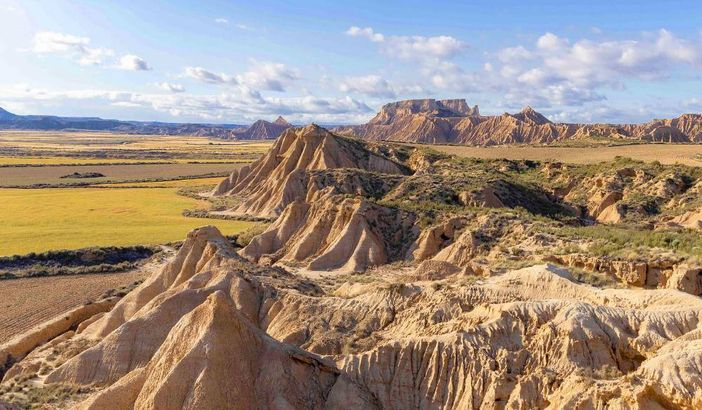
Spread over 42,500 hectares of semi-desert, with shapes, ravines and hills that seem straight out of science fiction. This rare beauty, created by millions of years of erosion, has earned this natural park a place in films such as The World Is Not Enough. Even if you are not James Bond, you can follow any of the marked routes on foot, by bike, horseback or by car.
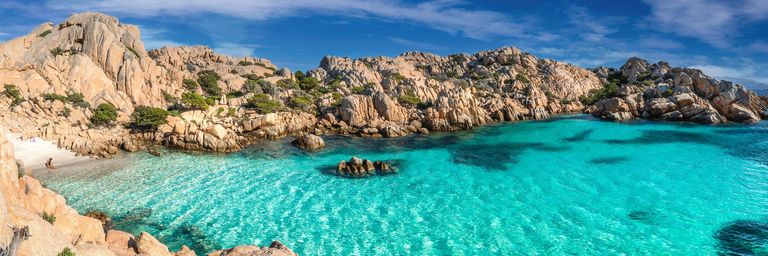
La Maddalena is a charming island town located off the northeastern coast of Sardinia, Italy. It is the main island of the La Maddalena Archipelago, a protected national park known for its crystal-clear turquoise waters, pristine beaches, and rugged landscapes. The town itself features colorful buildings, narrow streets, and a relaxed Mediterranean atmosphere. Popular with sailors and nature lovers, it offers excellent opportunities for snorkeling, hiking, and exploring secluded coves and scenic viewpoints.
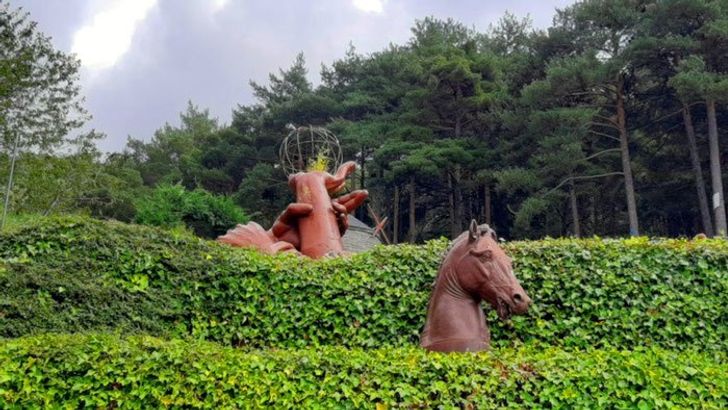
Juberry is a sculpture park. It is located on one of the slopes of the picturesque peaks. It is always picturesque here, whether it is winter or summer. The park is located at an altitude of 1250 m above sea level. And this is one of the most interesting places in Andorra. By the way, admission is free. Waterfalls and hedges, bushes and paths of perfect shape are some of the elements that you can admire here. But it should be taken into account that the collection is constantly expanding.
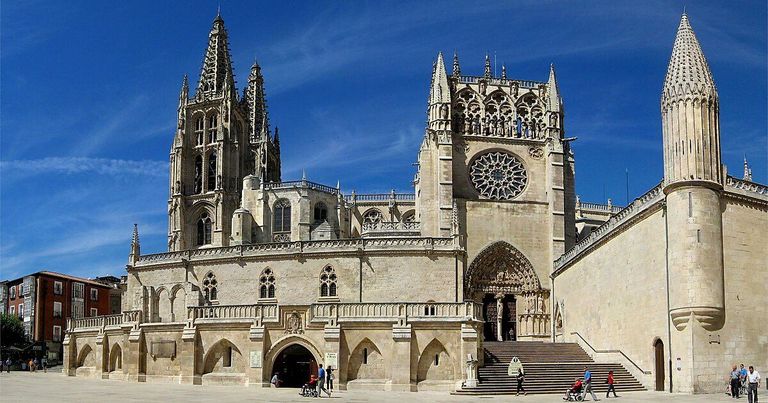
In the summer of 1221, by order of Ferdinand III, construction began on a cathedral in Burgos, which was to become the main temple of the Kingdom of Castile. Construction of the Burgos Cathedral was completed in 1567, having lasted almost 350 years. Burgos Cathedral is considered one of the most beautiful Gothic churches in the world.
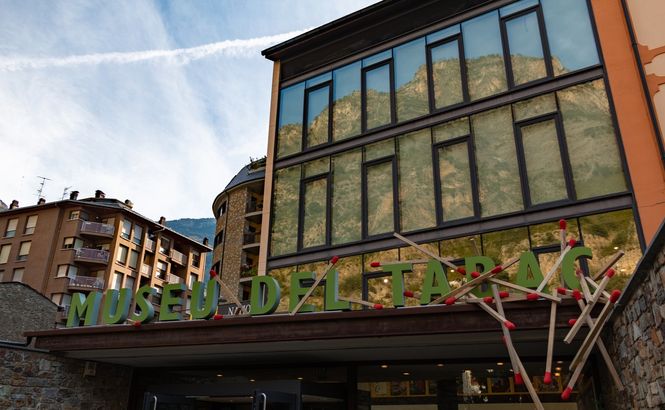
Here, at an altitude of 909 meters above sea level, just a few small factories and plants still produce the best cigars in Europe. Tours in the museum tell in detail how production has changed over the decades.
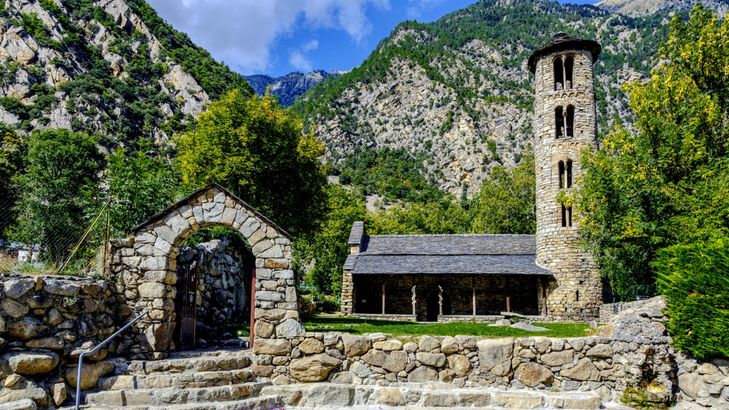
Santa Coloma is a church, although devoid of luxury or deliberate pretentiousness. Built in the 10th century, the shrine has retained its original appearance to this day and remains a striking example of pre-Romanesque architecture. The church is still in operation, attracting tourists with its unique beauty and ancient history.

Escaldes in Andorra is a famous ski resort, a satellite town of the capital of the principality of Andorra la Vella. Escaldes has acquired its fame not only due to the numerous ski slopes located nearby, but also due to the hot springs with healing water, which are famous far beyond Andorra.

The sculpture "The Nobility of Time" is part of the famous series of works by Salvador Dali with melting clocks. The sculpture was installed in 2010 in the center of the capital on Meritcel Street. The donor of such a valuable work to Dali was his assistant Enric Sabater. The five-meter monument is a melted clock hanging on a tree - one of the favorite symbols in the artist's work, symbolizing the flow of time and existence.
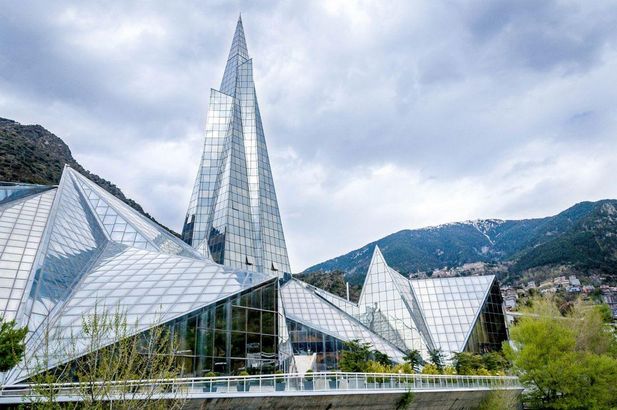
The Caldea complex is the largest terminal structure in Western Europe. The total area of the glass dome is more than 600 square meters. Under it are several dozen pools with hot water, jacuzzis, cascades, many waterfalls and even solariums and geysers of various shapes.

Lake Engalosters is located near the town of Encamp, at an altitude of about 1.6 thousand meters above sea level. There is a special tourist route to it, but some people prefer to climb the steep slopes, observing the picturesque surroundings.

This museum houses a collection of various means of transport – from bicycles to cars. The exhibition includes more than 90 cars and more than 100 bicycles, numerous miniature images of transport that will enchant fans and persistent "why-whys".
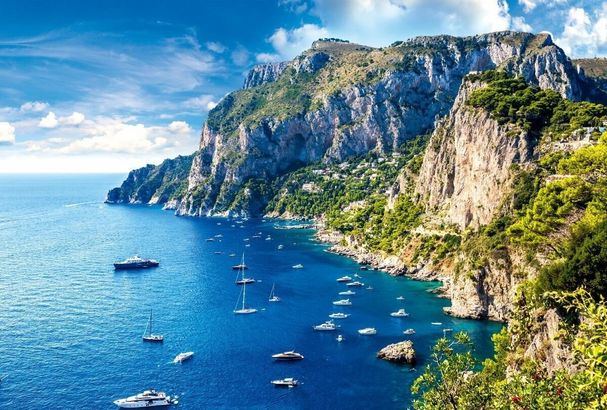
Capri is a stunning island in the Tyrrhenian Sea off the Sorrentine Peninsula, southern Italy. Known for its dramatic cliffs, crystal-clear waters, and upscale atmosphere, it has been a popular retreat for artists, writers, and celebrities for centuries. The island features charming towns like Capri and Anacapri, scenic hiking trails, the famous Blue Grotto sea cave, and panoramic views of the Mediterranean.
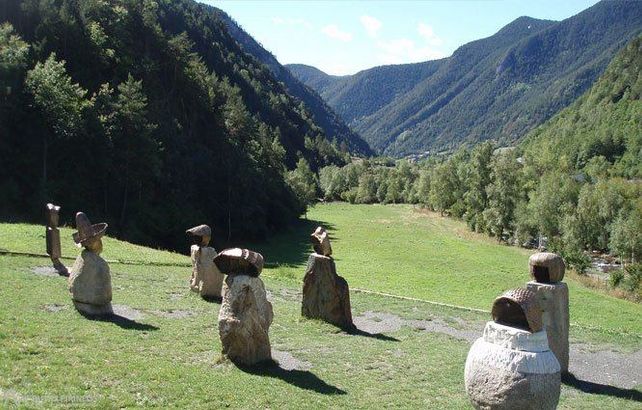
The length of the Cami de Ferro road is 4.2 km. one way. Accordingly, the return journey will take the same amount of time. Along the entire route you will encounter many sculptures. All of them are made of iron. The Roman bridge, the beauty of nature, springs, sculptures - all this diversifies the road and makes it very interesting and attractive for travelers.
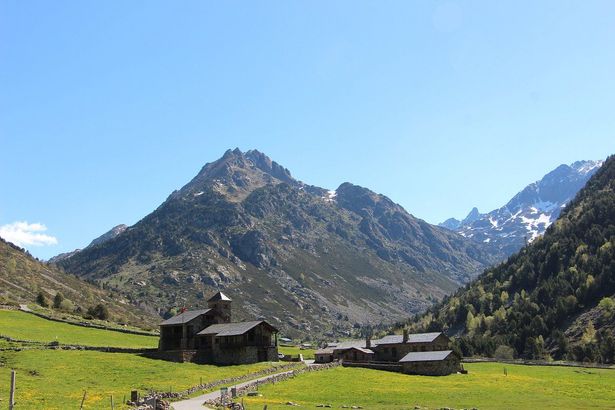
This is the most picturesque place in the entire Principality of Andorra, green, surrounded by mountains and at the same time carefully arranged by human hands. Along the Incles Valley there is a road, along which tourists will find many cozy hotels and shops. There are also ski resorts here. A mountain river rages through the valley, on the banks of which picnic areas are equipped for the convenience of travelers.
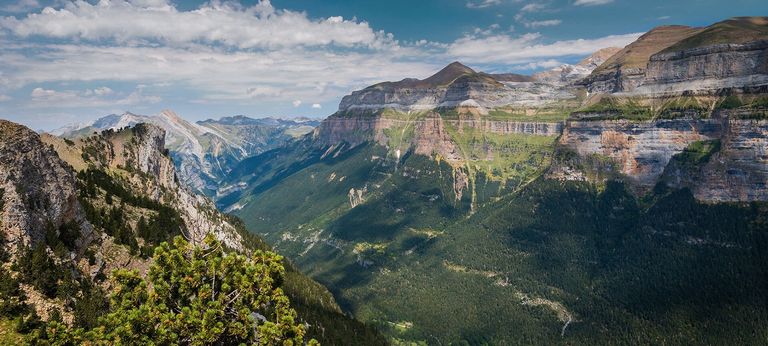
The main attraction of the park is the Ordesa Canyon. It impresses with huge rocks hanging on both sides of the mountain path. The river of the same name flows along the bottom of the canyon. The lower part of the park is represented by dense forest, where you can meet many representatives of forest fauna. There are many waterfalls that cascade one after another.
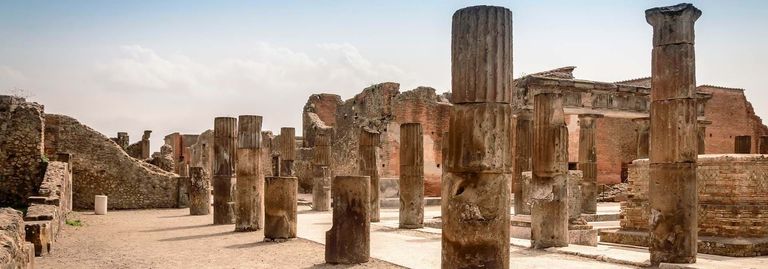
Walk down the roads of history at Pompeii Archaeological Park, the actual site where Mt. Vesuvius erupted in A.D. 79, claiming thousands of lives and burying Pompeii in several feet of ash. Wander among the ruins with an audio guide or, for greater historical insight, join a guided tour. Come prepared with a hat and sunblock as there isn’t much shade throughout the ruins.
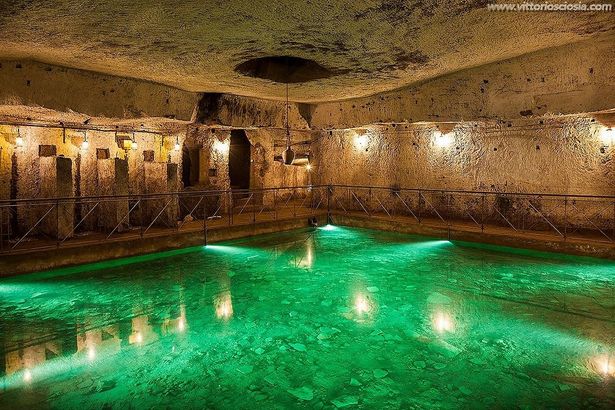
The Galleria Borbonica is a historic underground tunnel system in Naples, Italy, originally built in the 19th century during the Bourbon rule to connect the Royal Palace with the military barracks. Today, it serves as a fascinating museum showcasing Naples’ history through wartime shelters, vintage cars, and eerie prison cells used during World War II. Visitors can explore this hidden part of the city on guided tours that reveal its mysterious past.
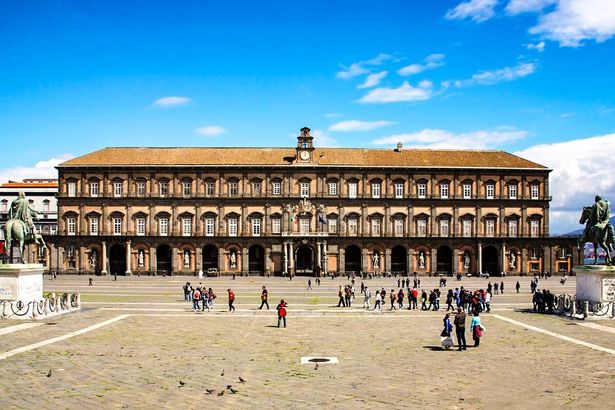
The Royal Palace of Naples (Palazzo Reale di Napoli) is a historic palace located in the heart of Naples, Italy. Built in the 17th century, it served as the residence of the Spanish Bourbons and later the Savoy kings of Italy. The palace features elegant Baroque architecture, lavish interiors, and impressive art collections. Today, it hosts cultural exhibitions and stands as a symbol of Naples' royal past.
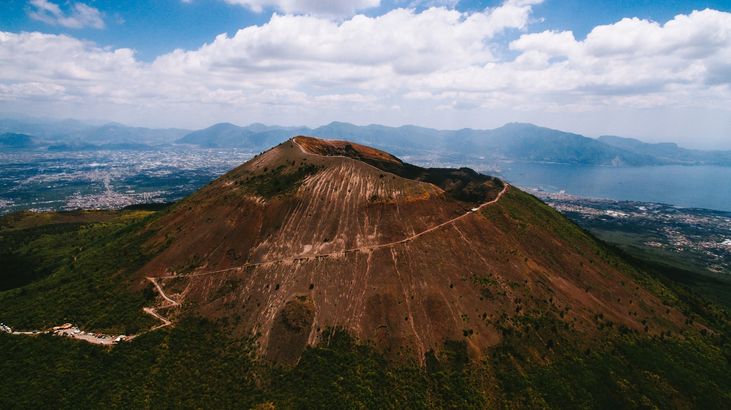
Mount Vesuvius is a stratovolcano located in southern Italy, near the city of Naples. It is the only active volcano on mainland Europe and is most famous for its catastrophic eruption in 79 AD that buried the Roman cities of Pompeii and Herculaneum under ash and lava. Today, Vesuvius is part of the Vesuvio National Park and remains an important geological site, offering guided tours to its crater and breathtaking views over the Bay of Naples.

The Royal Palace of Caserta is a magnificent 18th-century palace located in Caserta, near Naples, Italy. Commissioned by King Charles VII of Bourbon as a royal residence to rival Versailles, it is one of the largest and most opulent palaces in Europe. Designed by architect Luigi Vanvitelli, the palace features grand halls, lavish apartments, beautiful gardens, and an impressive hydraulic system that powers its fountains. It is a UNESCO World Heritage Site and a masterpiece of Italian Rococo architecture.