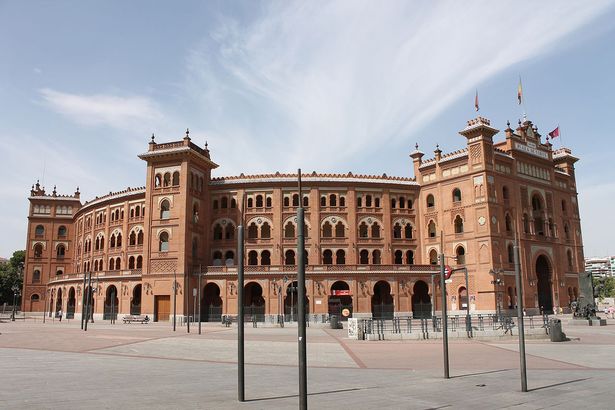
A matador with a red rag, dodging an enraged bull - this is the association that many people have when they think of Spain. You can watch this action live at the Las Ventas bullring in Madrid. Now the arena hosts not only bullfights, but also other sports competitions, music concerts and other events.

At the foot of the Sierra de Guadarrama, an hour's drive from Madrid, lies the ancient palace and monastery of Escorial. At first glance, the structure impresses with its grandeur, but not everyone has the same reaction. Some called Escorial an "architectural nightmare", others - "the eighth wonder of the world". Today, Escorial is a cultural heritage of Spain, a major museum and architectural treasure.
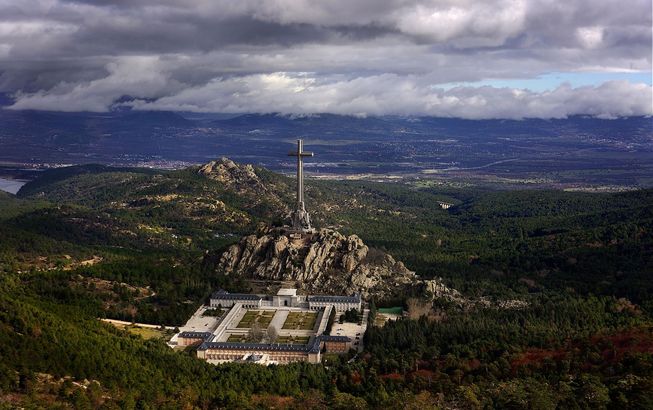
The Valley of the Fallen is a memorial complex in the suburbs of Madrid dedicated to the memory of the victims of the bloody Civil War of 1936-1939. For modern Spain, it is an extremely controversial object: the actual organizer of the military conflict, Francisco Franco, after his victory, buried about 40 thousand dead Francoists and Republicans here as a sign of the end of the three-year slaughter and reconciliation of the parties.
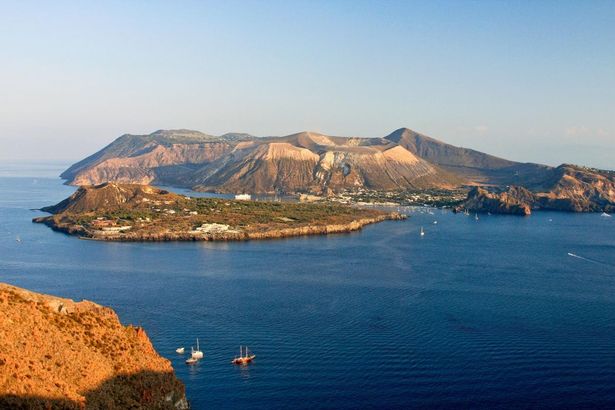
The Lipari Islands, also known as the Aeolian Islands, are a volcanic archipelago located off the northeastern coast of Sicily, Italy. This UNESCO World Heritage Site consists of seven main islands, including Lipari, Stromboli, and Vulcano, known for their dramatic landscapes, active volcanoes, crystal-clear waters, and ancient ruins. The islands offer a perfect mix of natural beauty, history, and relaxation, attracting visitors seeking adventure, beach holidays, and unique geological wonders.
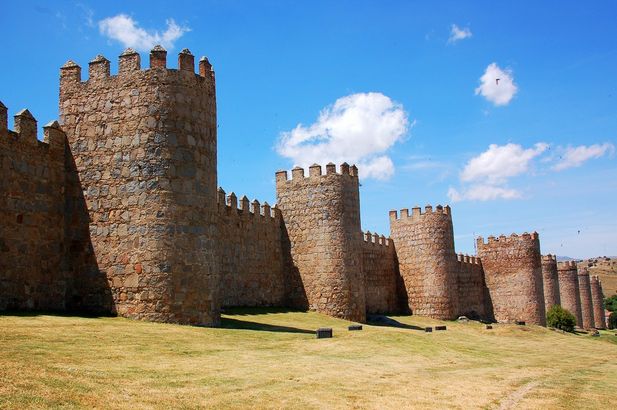
The mighty fortress walls in the old city of Avila have stood motionless for over 900 years. Not only local residents but also famous Moorish architects were involved in the construction. The work took 9 years, and the result was a high 12-meter wall stretching for 2.5 km. The walls of Avila are the best preserved of their "brothers", and in size they are second only to the Great Wall of China.
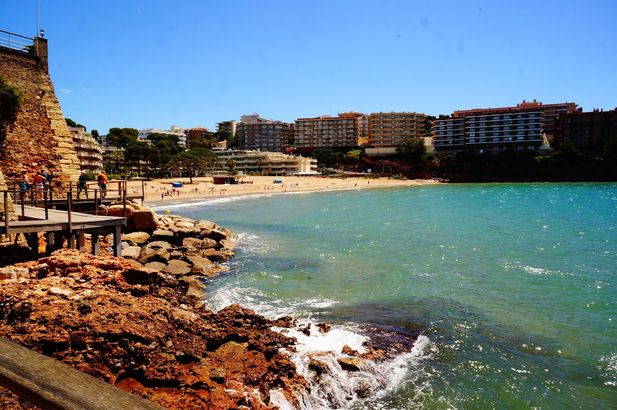
The Catalan town of Salou is famous throughout the world as a magnificent seaside resort. There are several swimming areas, and all of them are clean, comfortable, with good infrastructure. The city beach is usually very crowded during the season: not only the Spanish come here, but also tourists from all over the world. There are much fewer people on other beaches.
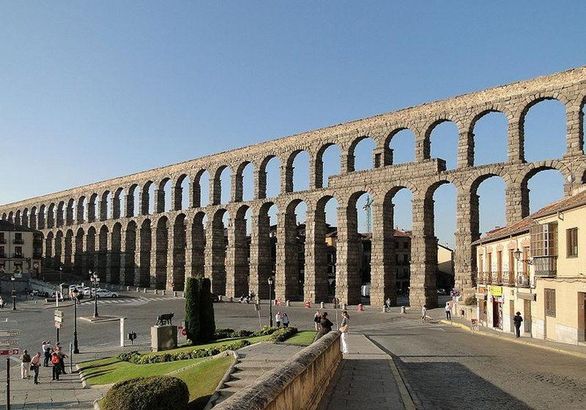
It was built about 2,000 years ago and served its purpose until the 19th century, providing water to Segovia and nearby settlements. Although the aqueduct is 18 km long, only a small section passing through the Azoguejo square is popular with tourists. Due to its active use, the aqueduct in Segovia was often repaired, and therefore retained its almost original appearance, except for the stonework that has been replaced in places.
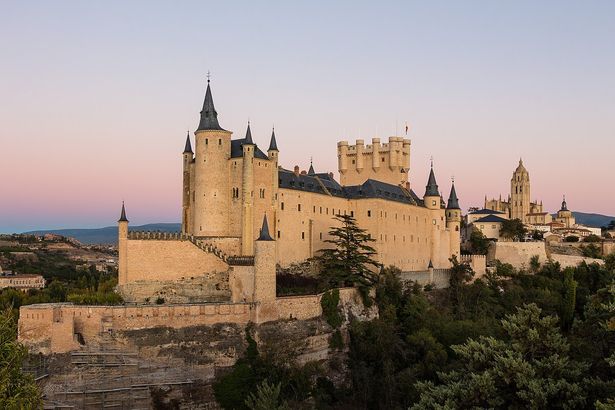
Alcazars are fortresses and palaces in Portugal and Spain, and the word literally translates from Arabic as "fortress". Such structures appeared with the arrival of the Moors to the territory of Spain in the 8th century. The Alcazar in Segovia dates back a century later, but the first mentions of it appeared only in 1120, so one can only guess what the fortress looked like before.
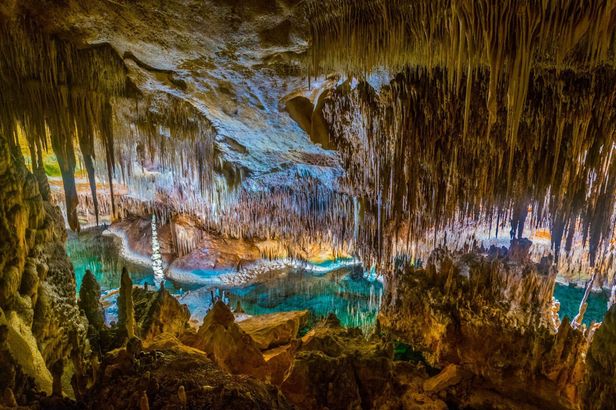
This tourist cave in Aracena is over 2 kilometers long (1200 meters are accessible to visitors) where you can admire different types of stalactites, stalagmites and dripstones. It is an underground landscape where you can let your imagination run wild as you pass through the Cathedral Hall, the Crystal Hall of God or the Sultana's Bath.
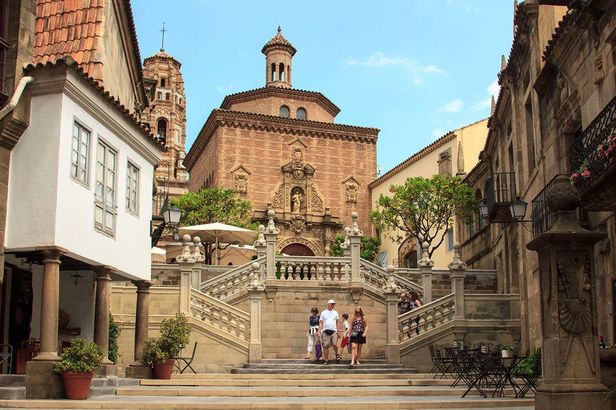
The Poble Espanyol is a time machine, because once you find yourself there, it is hard to believe that you are in the middle of Barcelona of the 21st century. Old houses, workshops of shoemakers, glassblowers and jewelers are adjacent to a colorful market, a theater, a museum, establishments with traditional Spanish dishes and a square where you can often see folk dancers and singers.
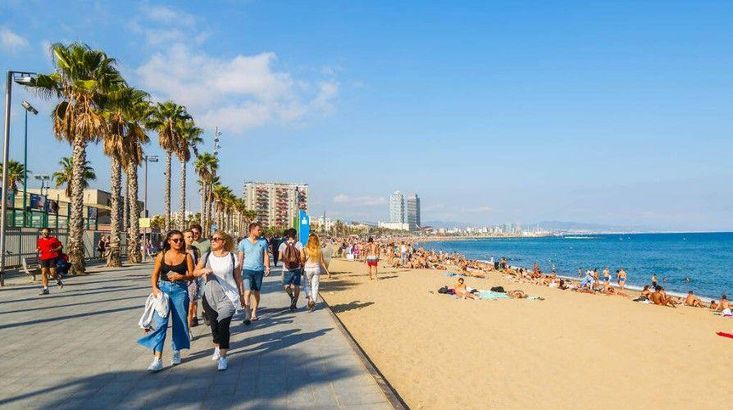
The oldest and perhaps the busiest beach in Barcelona. It is suitable for families with children, single tourists or cheerful companies. There is enough space for everyone on the coastal strip about 90 meters wide. The water at Barceloneta is warm, and the coastal strip is clean and tidy. In addition, the smooth descent into the water is convenient for children, elderly people and tourists with limited mobility.
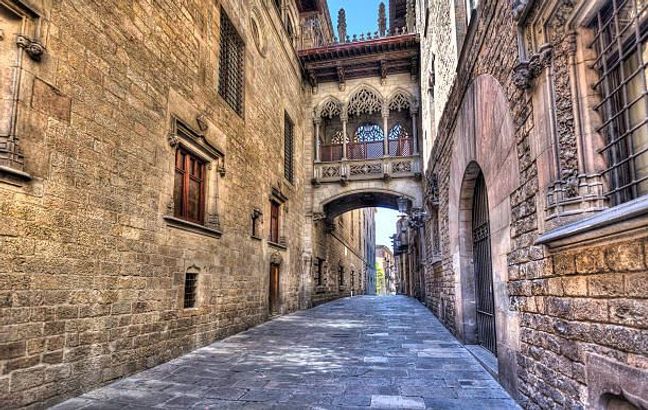
The Gothic Quarter is the heart of Barcelona's historic district and one of the most photogenic locations in the Spanish city. Centuries later, medieval buildings dating back to the heyday of the Kingdom of Aragon have been perfectly preserved here. As you travel from one architectural monument to another, you will pass through narrow streets that are almost completely devoid of sunlight, where the medieval charm is especially strong.
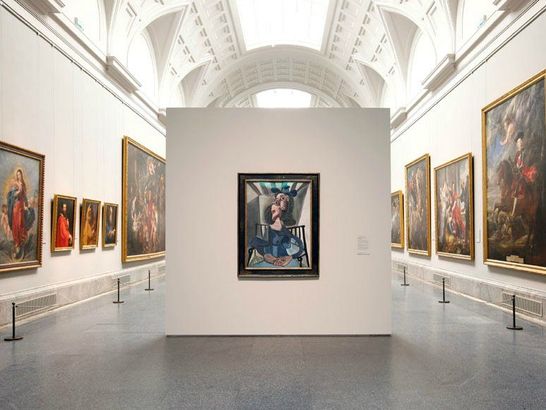
In the 1960s, the city of Barcelona began to gradually renovate the houses of the city's 15th and 16th century merchants on Carrer de Montcada, and one of them was turned into a Picasso museum. The house is a brilliant example of medieval architecture. The museum was created to house the huge number of EARLIEST paintings, many of which were painted in this city, donated by Picasso himself.
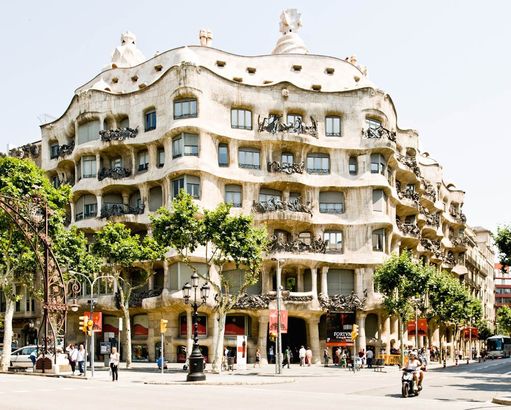
Two architectural masterpieces by Gaudi, located on either side of Passeig de Gracia. They are outstanding examples of modernist architecture from the early 20th century. Casa Batlló was built in 1906. The building looks like a fantasy world, full of symbols and details inspired by nature. The interior of Casa Batlló continues the theme of nature. The wall is decorated with flowing lines, ornaments and ceilings in the shape of sea shells.
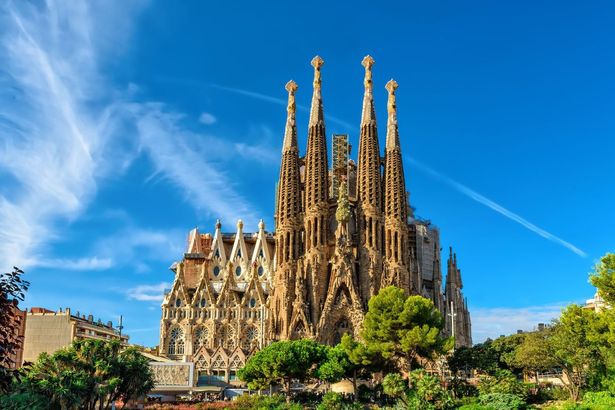
Sagrada Familia is one of Gaudi's most famous works in Barcelona. It is a gigantic basilica that has been under construction since 1882 and is not expected to be completed anytime soon. When you visit the building, you will notice the contrast in stone color between the front and back of the building. The interior combines natural forms with intricate details, reflecting Gaudi's vision of a divine and harmonious space.
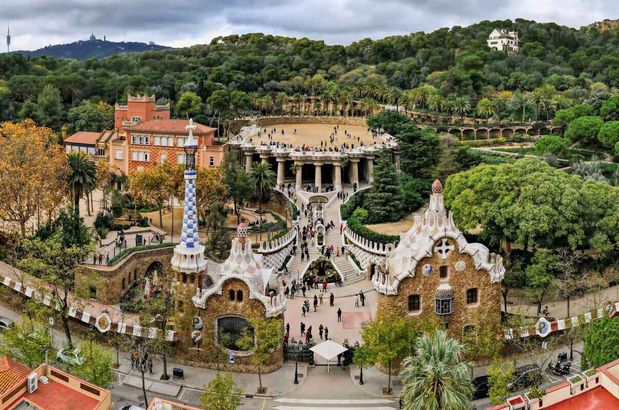
Among the attractions, one can note the Gaudi House Museum, the "Hall of a Hundred Columns" (in fact, there are 86 of them), the grand staircase with fountains and, of course, the famous Gaudi bench, curved in the shape of a snake. However, it was not the bizarre shape that made this bench famous, but its length - 302 meters, which was a record for some time.
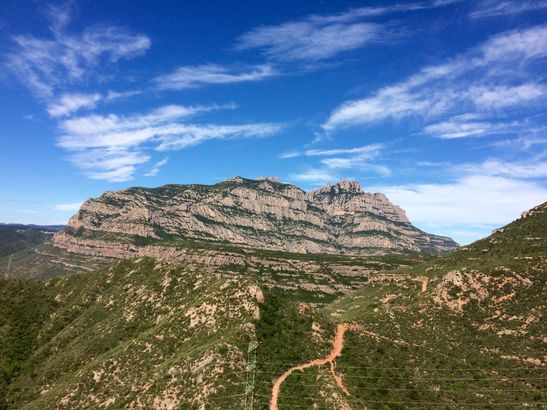
The name speaks for itself, because millions of years ago there was a sea on the territory of Catalonia, which eventually dried up, and the bottom formed a mountain range. On the mountain top, surrounded by picturesque nature, there is a monastery of the same name. Here is kept the unique statue of the "Black Virgin of Montserrat", which is revered by Catholics all over the world.
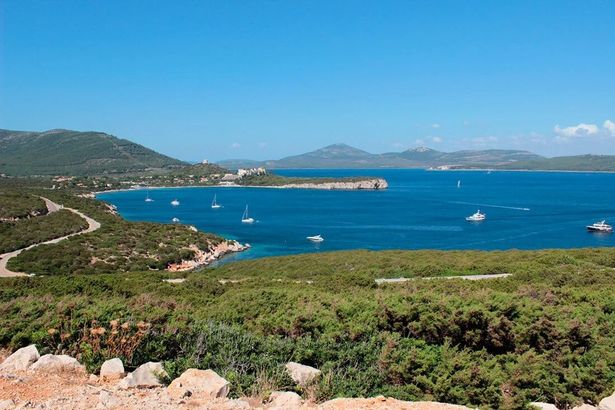
Asinara National Park is a protected natural reserve located on the island of Asinara, off the northwest coast of Sardinia, Italy. Known for its pristine beaches, crystal-clear waters, and diverse wildlife — including the famous albino donkeys — the park offers a unique blend of untouched nature and historical landmarks, such as former prisons and ancient nuraghe ruins. It is accessible mainly by boat and is a paradise for eco-tourism, snorkeling, and hiking enthusiasts.
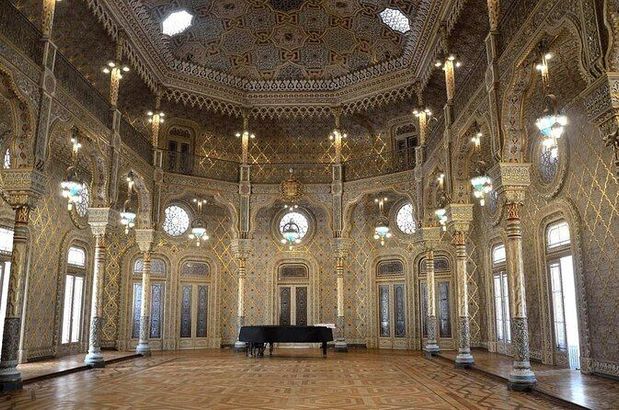
Forming an integral part of Porto’s historic center, the UNESCO World Heritage–listed Palace of the Stock Exchange (Palácio da Bolsa) is a marvel of neoclassical architecture. The 19th-century palace has played host to royal guests, and today can be explored only as part of a guided tour.
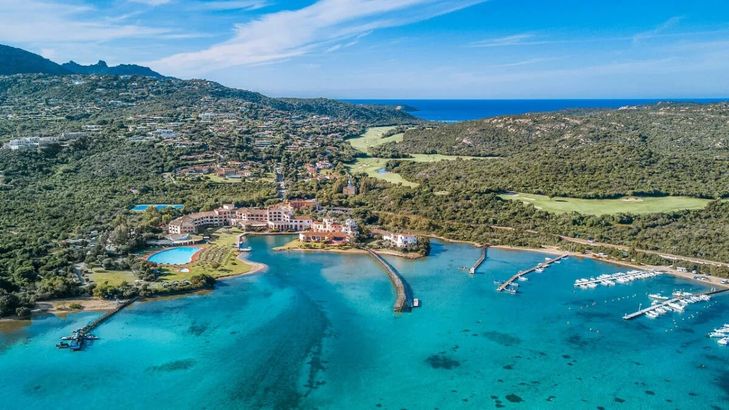
The Costa Smeralda is a luxurious stretch of coastline located in northeastern Sardinia, Italy. Known for its crystal-clear turquoise waters, white sandy beaches, and dramatic granite cliffs, it is one of the most exclusive and glamorous destinations in the Mediterranean. Developed in the 1960s by Prince Karim Aga Khan, the area features high-end resorts, designer boutiques, and world-class marinas, attracting celebrities, yachters, and elite travelers from around the globe.