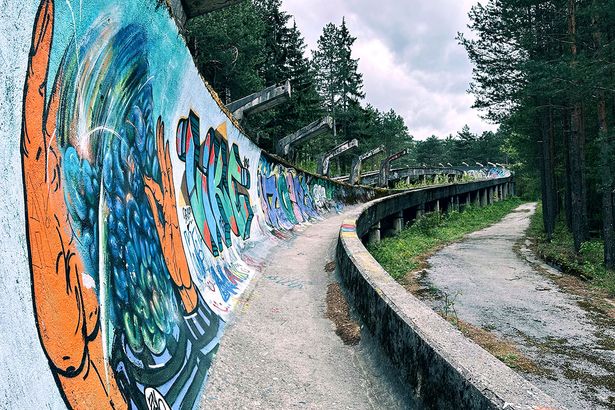
Graffiti on exposed concrete replaces the sheen of ice that once covered the now defunct Sarajevo Olympic Bobsleigh and Luge Track. This abandoned track from the 1984 Winter Olympics sits among the forest on Trebevic mountain outside the city, waiting for visitors to walk or bike along its course. Fans of urban exploration or nature hikes may enjoy exploring this now neglected site.
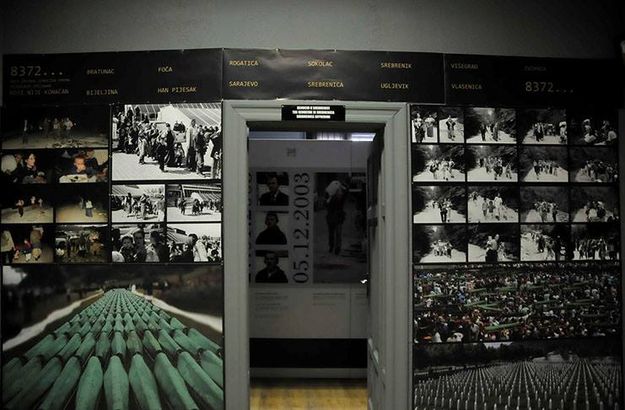
This new museum was opened in July 2016 and is the work of a group of survivors/victims as well as young researchers of the war crimes committed during the war in Bosnia between 1992 and 1995/96. It started out as mainly a collection of photos, but since then lots of original artefacts have been added to the museum's collection
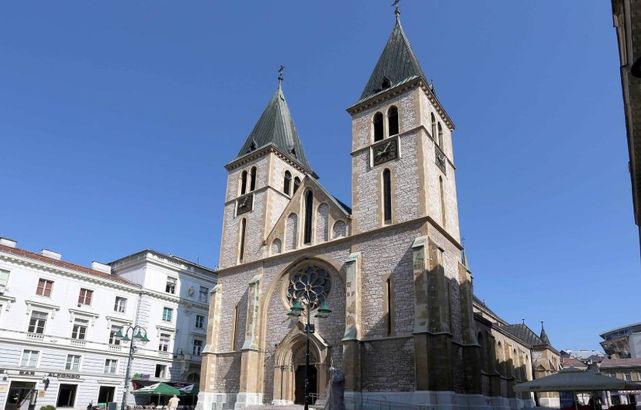
Even if you can't get inside, the cathedral is impressively beautiful from the outside.
Walk to the end of Sarajevo's main avenue and you'll find the Eternal Flame monument. Situated at the intersection of two streets, the monument symbolizes the liberation of Sarajevo from Nazi occupation.
Bijela tabija is certainly one of the most impressive and most valuable buildings of the architectural heritage of this area. The dominant position of the White Bastion in relation to the natural amphitheater of the historic city center, and the view that stretches along the Miljacka River all the way to modern residential areas in western Sarajevo, make a specific, almost completely natural, choreography of nature and human creativity.
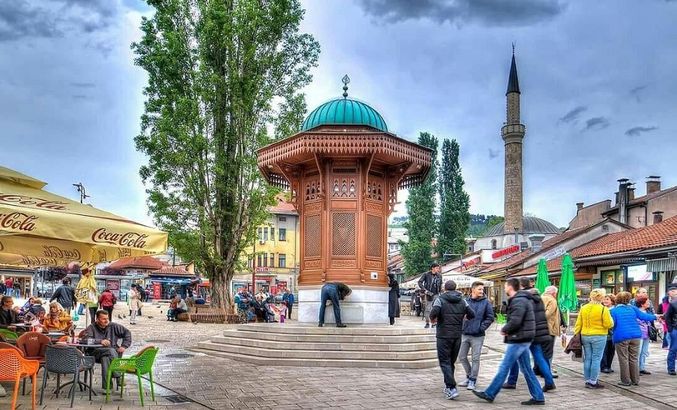
The Sebilj drinking fountain was built in 1891 on the site of a kiosk with drinking water that burned down in 1852 and was built by order of the Sultan's viceroy in Bosnia, Mehmed Pasha Kukavica. Today, Sebilj is one of the calling cards of Sarajevo.
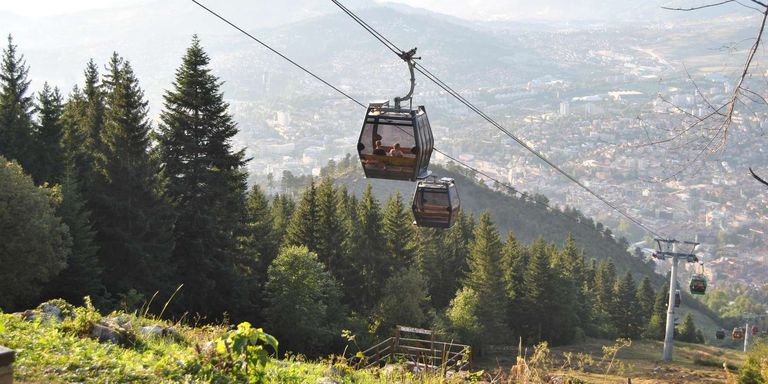
This cable car leads to Mount Trebevic. The observation deck offers unique views of the city. The funicular takes tourists to a point located at an altitude of 1,160 meters. In addition to the observation deck, you can find a cafe, ruins of an old observatory, a fortress, etc. at the top. And this is not to mention the natural attractions.
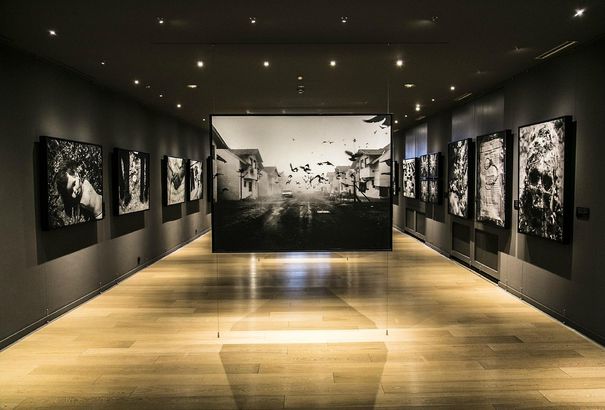
Gallery 11/07/95 is the first memorial museum/gallery in Bosnia and Herzegovina – exhibition space aiming to preserve the memory on Srebrenica tragedy and 8372 persons who tragically lost their lives during the genocide.
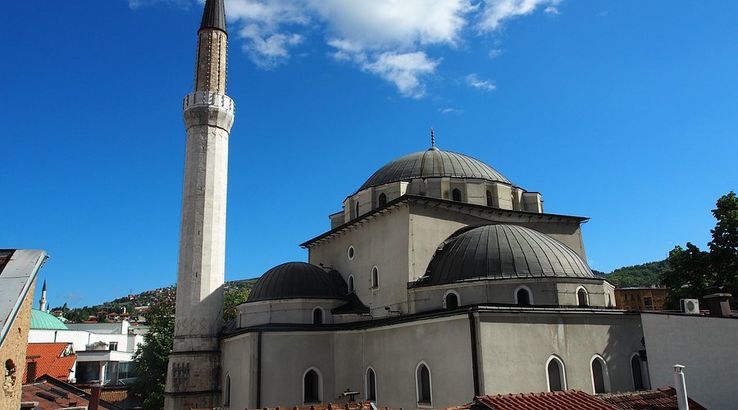
The Gazi Husrev-beg Mosque was completed in the 16th century and features Ottoman architecture. To this day, the mosque remains one of the largest in Bosnia and Herzegovina.
Today the mosque serves as the main congregational mosque of the Islamic Community of Bosnia and Herzegovina, but tourists and guests are welcomed.
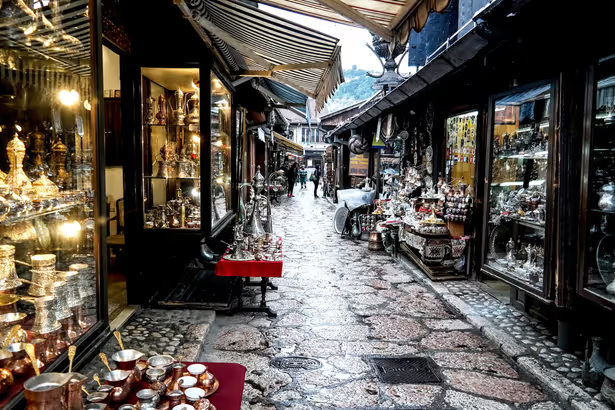
Bascarsija Bazaar, the Ottoman-era marketplace of Sarajevo, is a lively hub of activity in the city’s old town, Stari Grad. Crowded streets lined with traditional and souvenir shops, a broad selection of cultural landmarks, and the ornate Sebilj fountain help make this one of Sarajevo’s most popular attractions, no matter your interests.
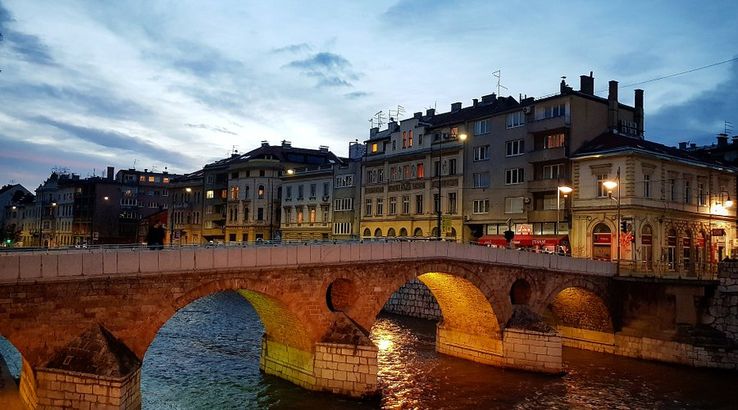
Crossing the Miljacka River and leading into the old town of Sarajevo, the Latin Bridge is an elegant fixture of Sarajevo’s scenic riverfront. But what draws so many visitors to this Ottoman landmark is its part in world history as the site where Archduke Franz Ferdinand of Austria was assassinated, instigating the events of World War I.