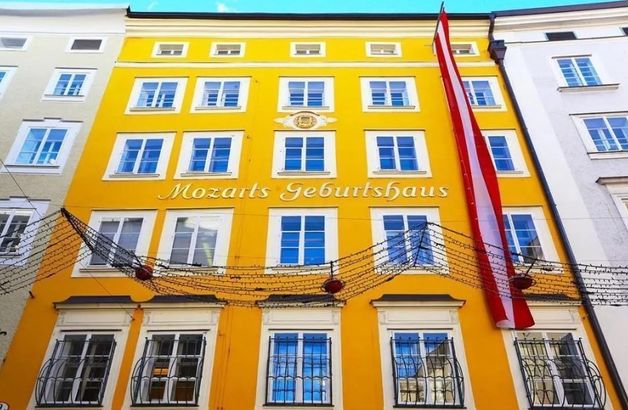
Of all the places where Mozart lived, only his apartment has been preserved in its original form. It was here that the opera "The Marriage of Figaro" was written, which is especially dear to the Austrians. The period of residence in this apartment was marked by the secular popularity of the young Mozart. Currently, it houses a Museum, occupying an area of 1000 square meters. The world of the composer is reproduced here delicately and subtly.
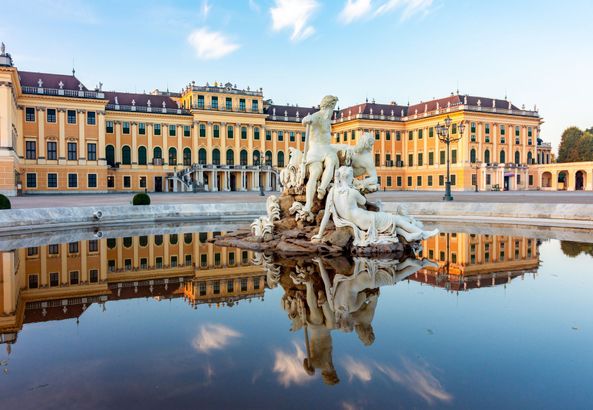
In 1996, Schönbrunn was added to the UNESCO World Heritage List. The magnificent palace, which is the main imperial residence of the Habsburgs, is surrounded by a park ensemble. The exquisite sophistication of the building competes with the luxurious fountains and statues surrounding the palace. The park contains several pseudo-Roman ruins that make an indelible impression on tourists.
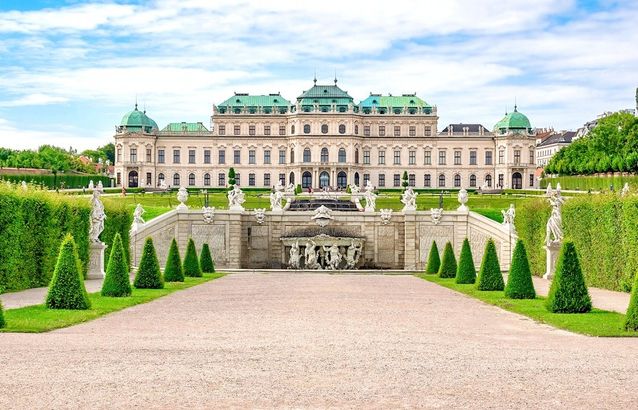
The Belvedere always shines with its beauty. This is the best work in the Baroque style by Lucas von Hildebrandt. Since the 18th century, the Belvedere has remained virtually unchanged. The Austrians periodically carry out restoration work, carefully preserving the historical appearance of the ensemble. The Austrian Gallery, known throughout the world as a repository of rare masterpieces, is also located in the palace.
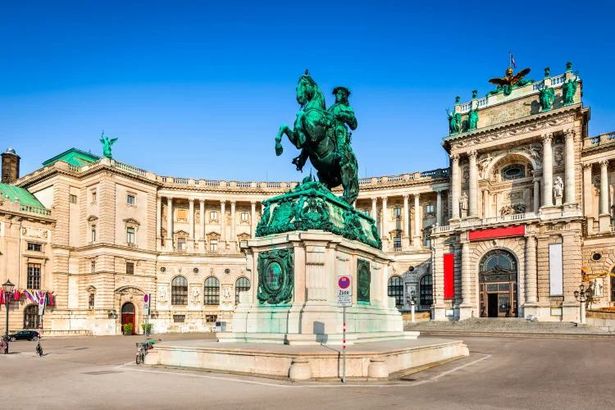
The Hofburg is the former principal imperial palace of the Habsburg dynasty in Austria. Located in the center of Vienna, it was built in the 13th century by Ottokar II of Bohemia and expanded several times afterwards. It also served as the imperial winter residence, as Schönbrunn Palace was the summer residence. Since 1946, it has been the official residence and workplace of the president of Austria.
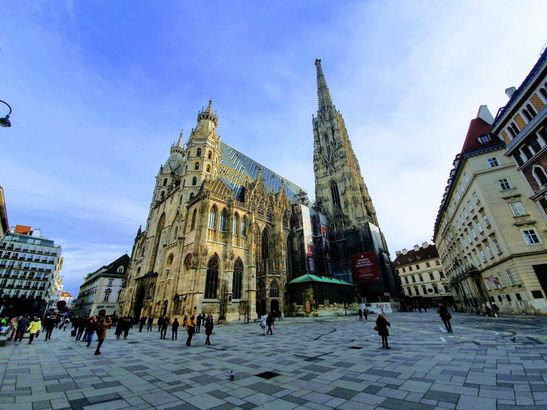
The cathedral is built in the Gothic style and stands monumentally on the main city square. For tourists, the Cathedral is interesting for its history and architectural beauty. The Austrians themselves revere the relic because of the abundance of cultural rarities stored inside.
That's all