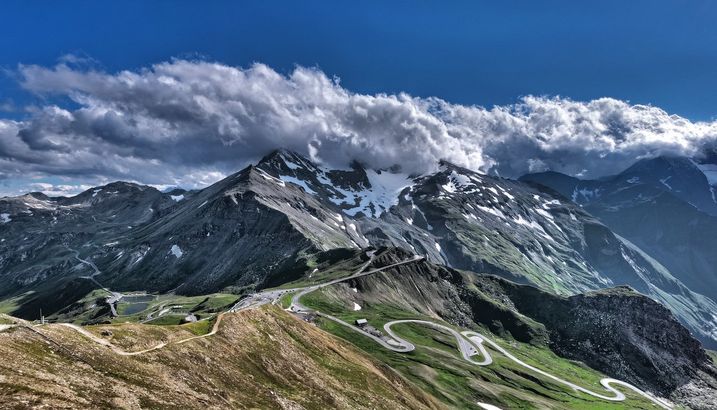
The serpentine road of this mountain road consists of 36 turns. Its length is 48 km. The road is toll, but nevertheless, more than one million people travel along it every year. They are attracted by the opportunity to see the picturesque views of the Hohe Tauern Park and the Central Alps. The highest point of the road is on the Hochtor Pass at an altitude of 2504 meters above sea level. The road passes the Pasterze Glacier and the Grossglockner Mountain.
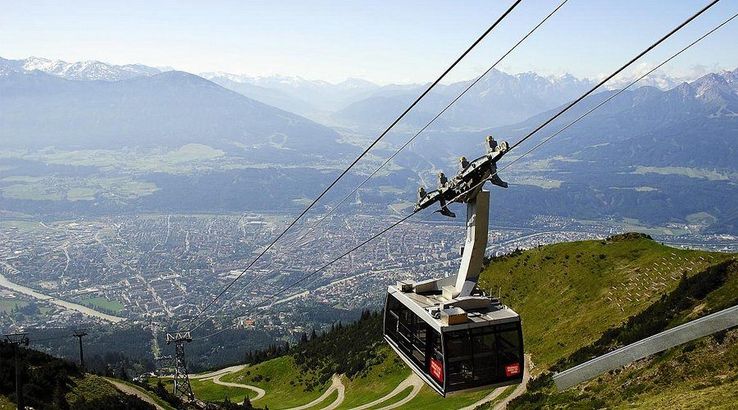
Located in the city of Innsbruck. The funicular takes everyone to the mountain peak of Hafelekar, 2,256 meters high. The ride on the cable car from the city center will take 20 minutes. The route passes through several stations, some of which are made in the form of glaciers. From the top of the mountain, there is a view of the snow-capped mountain landscapes, the Inn River valley and the city of Innsbruck itself. The cable car operates all year round.
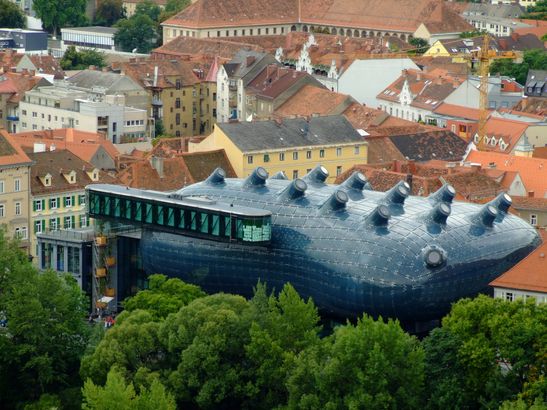
Gallery of modern art. It is located in a building of an unusual shape, which is why it received a second unusual name - "friendly alien". The convex building of the gallery is built in the style of modern architecture "blob". It looks like reinforced concrete, but is made of blue plastic panels.
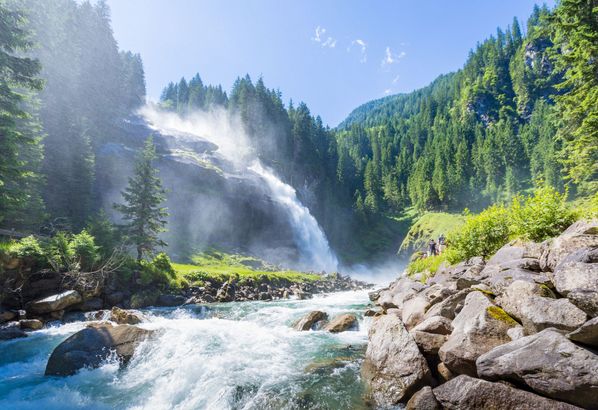
Krimml Falls is the fifth highest waterfall in the world, 380 meters of cascades (3 main and many small). This is one of the most striking natural attractions of Austria. The waterfall is located in the Hohe Tauern National Park, Salzburg. A powerful, beautiful waterfall, especially at the beginning of summer, when the level of meltwater in the Alps is at its peak. There is a walking trail along the waterfall. You can climb to the top of the very first cascade along it.
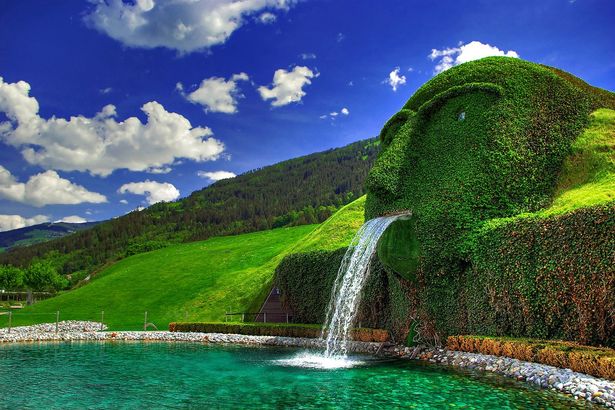
Swarovski Kristallwelten (Swarovski Crystal Worlds) in 1995 near Innsbruck in the town of Wattens opened the Swarovski Museum, in honor of the centenary of the Swarovski company. The museum is built in the form of a huge cave with 7 crystal halls filled with crystals, which are guarded by a Tyrolean giant, who has lived in Tyrol since time immemorial. A waterfall flows from his mouth, small splashes of water shimmer in the sun with all the colors of the rainbow and resemble the reflections of crystals.
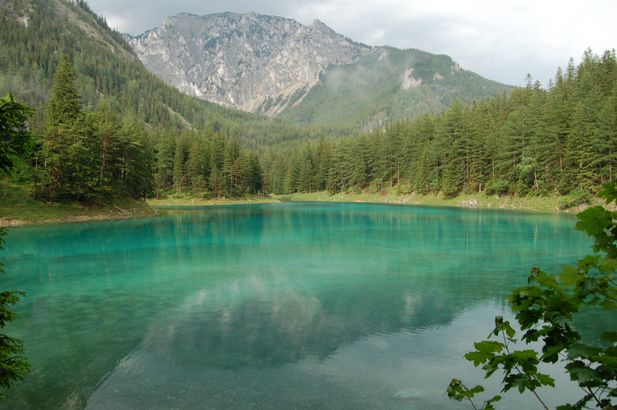
This is a very unusual emerald-green lake. In May-June, the green valley is filled with meltwater that flows down from the neighboring mountains and glaciers, and the green lawn turns into the bottom of a green lake The lake is 12 meters deep. Divers can sit on benches or swim over the hiking trails right under the water. Then the meltwater subsides and the lake remains only in the lowest part of the valley, with a depth of only 1-3 meters of very cold green water.
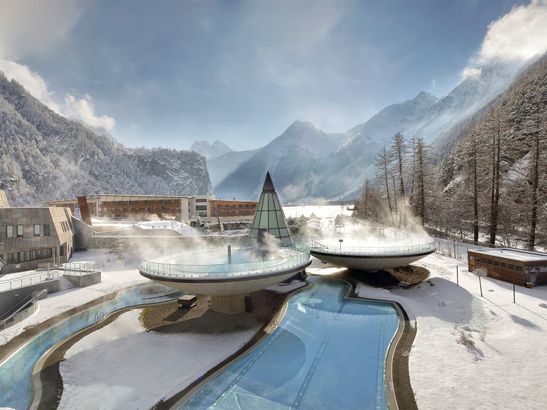
The Aquadom thermal baths are among the best in Austria. In the heart of the Otztal valley in Tyrol, near one of the most popular ski resorts, Solden. In the village of Langefeld, on the site of a hot spring with thermal water, a huge thermal complex was built. It is especially pleasant to relax in it on a frosty evening after skiing.
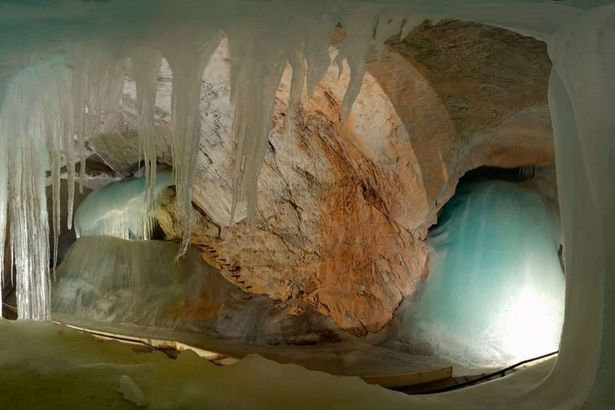
The cave is located at an altitude of 1641 m in the Alps. The cave consists of many mysterious passages that the river naturally created here. The limestone rocks were washed away by water over several millennia. The ice build-up on the walls and vaults was formed by the natural melting of the Alpine snow.
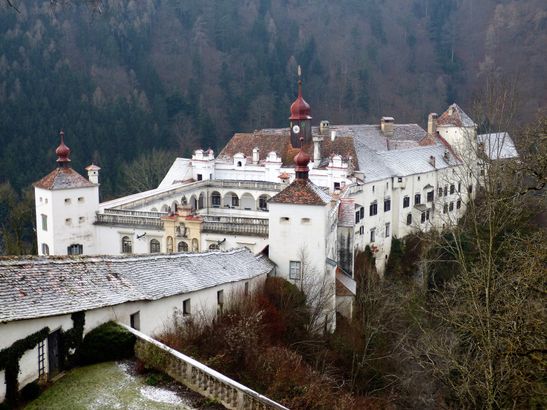
The castle rises above sea level by more than 400 meters. Translated from German, its name means Bitter Stone. A panoramic view of the mysterious gorge opens up from any point of the castle. The first mention of this amazing structure dates back to the 13th century. The uniqueness of the architecture lies in the diversity of styles. Experts highlight features of the Renaissance, Baroque and Gothic.
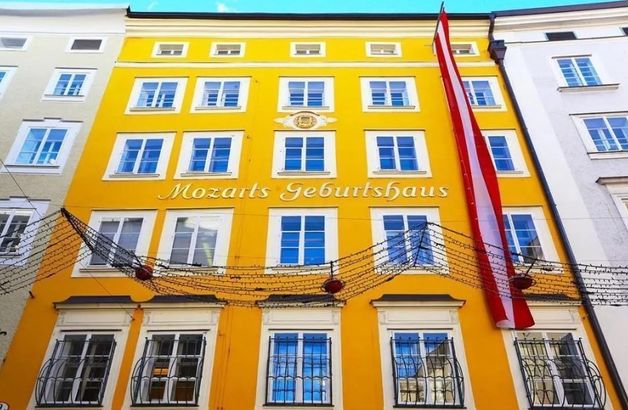
Of all the places where Mozart lived, only his apartment has been preserved in its original form. It was here that the opera "The Marriage of Figaro" was written, which is especially dear to the Austrians. The period of residence in this apartment was marked by the secular popularity of the young Mozart. Currently, it houses a Museum, occupying an area of 1000 square meters. The world of the composer is reproduced here delicately and subtly.
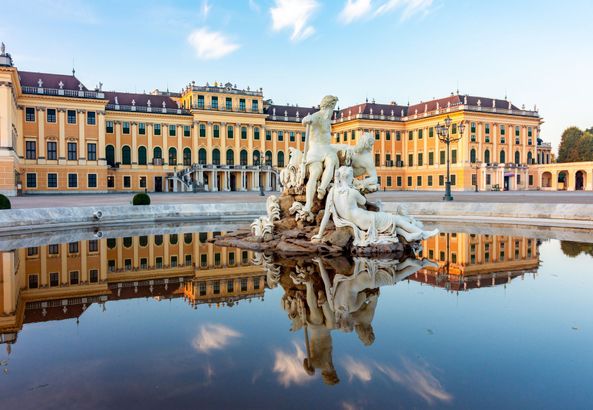
In 1996, Schönbrunn was added to the UNESCO World Heritage List. The magnificent palace, which is the main imperial residence of the Habsburgs, is surrounded by a park ensemble. The exquisite sophistication of the building competes with the luxurious fountains and statues surrounding the palace. The park contains several pseudo-Roman ruins that make an indelible impression on tourists.
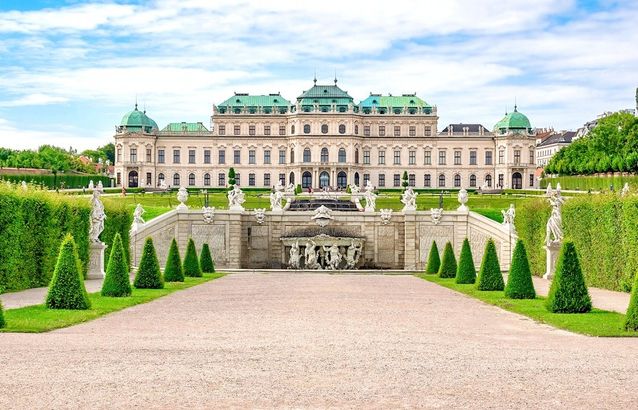
The Belvedere always shines with its beauty. This is the best work in the Baroque style by Lucas von Hildebrandt. Since the 18th century, the Belvedere has remained virtually unchanged. The Austrians periodically carry out restoration work, carefully preserving the historical appearance of the ensemble. The Austrian Gallery, known throughout the world as a repository of rare masterpieces, is also located in the palace.
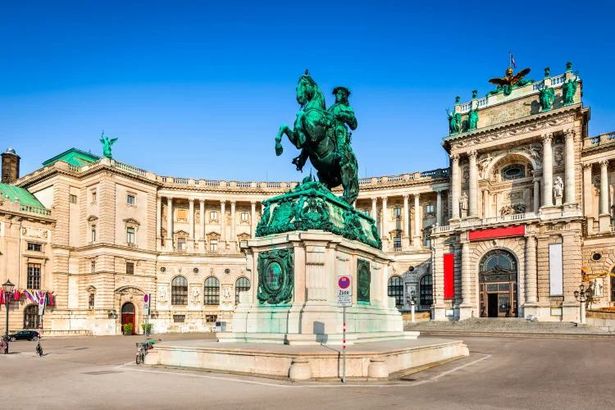
The Hofburg is the former principal imperial palace of the Habsburg dynasty in Austria. Located in the center of Vienna, it was built in the 13th century by Ottokar II of Bohemia and expanded several times afterwards. It also served as the imperial winter residence, as Schönbrunn Palace was the summer residence. Since 1946, it has been the official residence and workplace of the president of Austria.
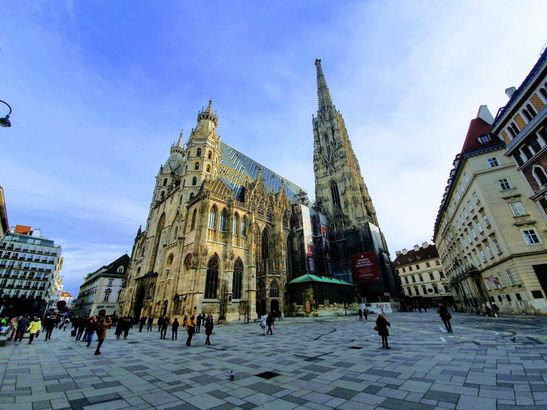
The cathedral is built in the Gothic style and stands monumentally on the main city square. For tourists, the Cathedral is interesting for its history and architectural beauty. The Austrians themselves revere the relic because of the abundance of cultural rarities stored inside.
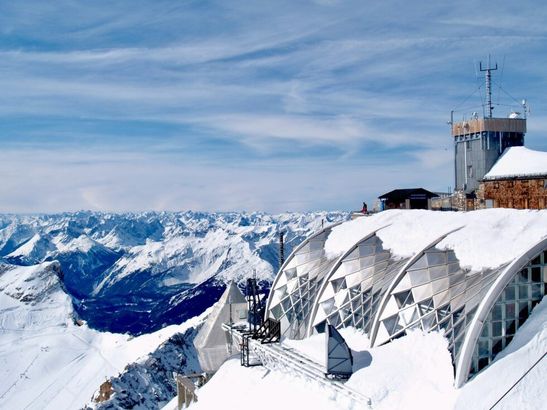
Situated in the Bavarian Alps, part of the Wetterstein range Zugspitze, at 2,962 meters above sea level, proudly claims the title of Germany’s highest peak. Though dwarfed by neighbouring mountains across the Austrian border, Zugspitze offers breathtaking panoramic views of the surrounding mountains in Germany and beyond.
That's all