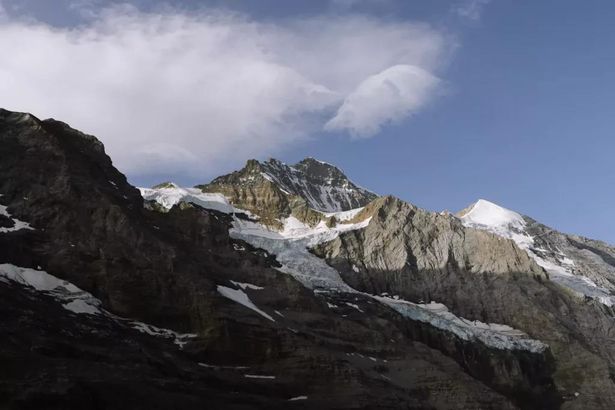
The mountain village of Grindelwald occupies one of the most unique settings in Switzerland. Mountains surround it, but the most dominant feature is Eiger (3,967m). The north face of this massive mountain has a vertical drop of 1,800 metres which attracts climbers from all over the world.
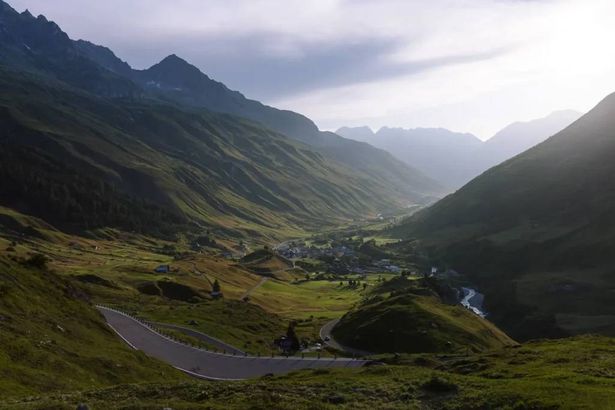
The Furka Pass is our favourite out of all the dramatic roads in Switzerland. Connecting Gletsch in the Canton of Valais with Andermatt in the Canton of Uri, it twists and turns for 31.5 kilometres (196 miles). Along the way it climbs to an elevation of 2,429 metres.
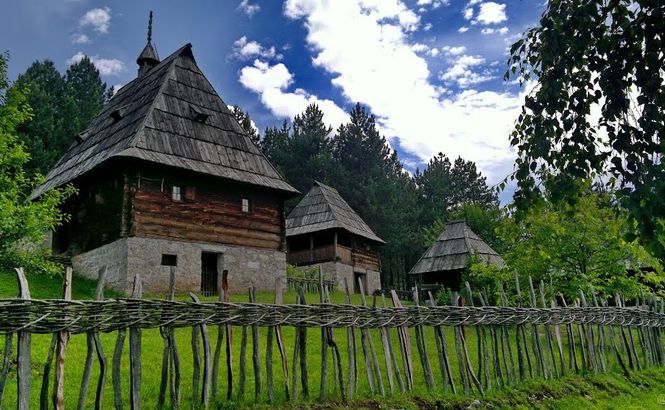
Staro Selo Open-Air Museum is a complex in the Serbian village of Sirogojno that was declared a national cultural heritage site in 1980. It contains 55 buildings, 32 of which are in permanent museum exhibition, all built in the traditional style. It is one of the most popular destinations in Zlatibor Mountain and all of western Serbia because it represents the lifestyle of local residents that lasted for several centuries.
Tara is a mountain in western Serbia. It is part of the Dinaric Alps and stands at 1,000 to 1,590 m (3,280 to 5,220 ft) above sea level. The mountain's slopes are clad in dense forests with numerous high-elevation clearings and meadows, steep cliffs, deep ravines carved by the nearby Drina River, and many karst caves. The mountain is a popular tourist centre. Tara National Park encompasses a large part of the mountain. The highest peak is Zborište, at 1,544 m (5,066 ft).
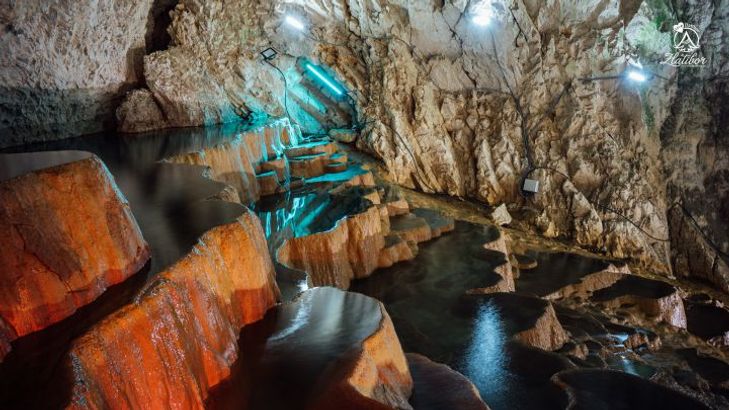
Stopića Cave is a limestone cave on the northeastern side of Zlatibor Mountain in Serbia, near the village of Sirogojno. The cave is 1,691 meters (5,548 feet) long and its entrance is located 711 meters (2332 feet) above sea level, near the Prištavica River. The cave consists of five units: the Bright Hall, the Dark Hall, the Great Hall with Tubs, the Tub Canal and the River Canal.
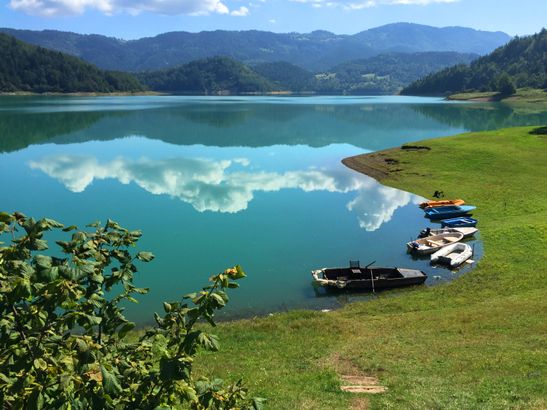
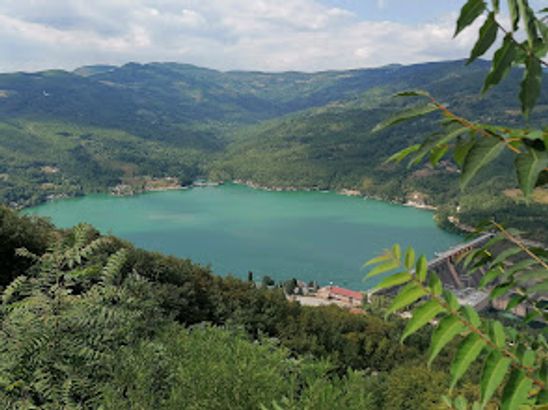
Zaovine Lake is an artificial lake in central-west Serbia, on the Tara Mountain. It was created on the Beli Rzav river as a reservoir for the Bajina Bašta II reversible hydro power plant. The lake, with its five bays, has been nicknamed the "Jewel of Tara"
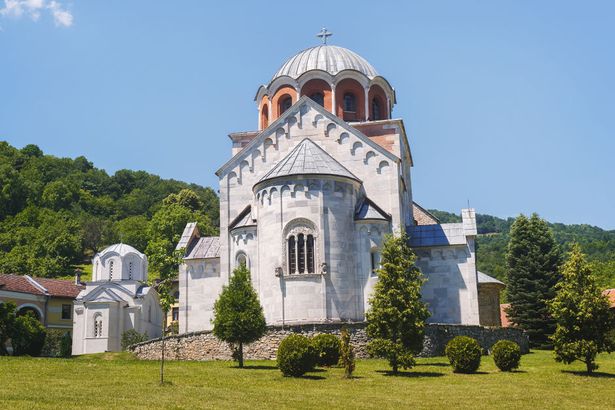
One of the most famous Orthodox monasteries in Serbia, included in the UNESCO World Heritage List. The monastery was built in the 12th century and became an important cultural, medical and spiritual center. The most impressive buildings of the complex are two churches made of white marble. In the 13th-14th centuries, beautiful frescoes in the Byzantine style appeared here, which have survived to this day. The monastery offers a beautiful view of the mountain valley.
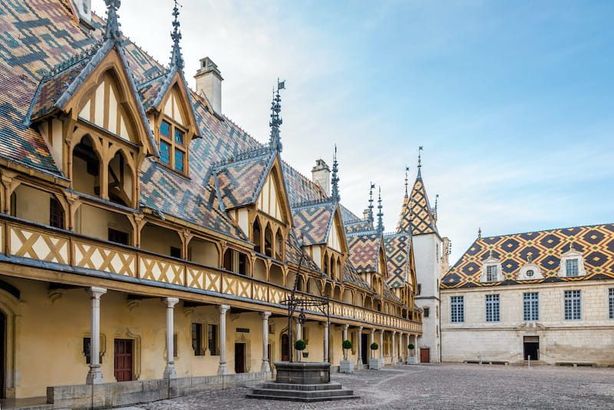
This former hospital for the poor was built in 1443, a jewel of medieval Burgundian (and very gothic) architecture. Think about it: the first patient was admitted here 40 years before Columbus arrived in America, and the last patient would leave in 1982...
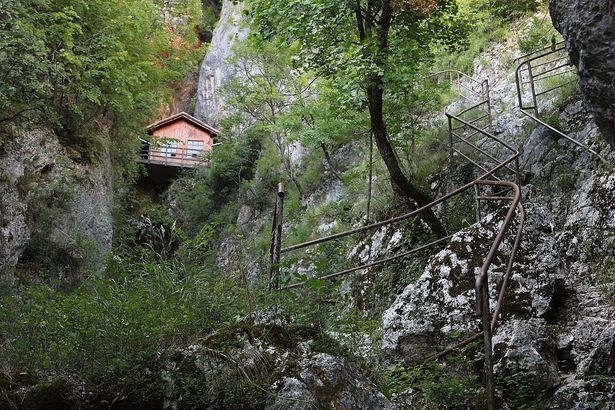
This is a cave located near the town of Drvar. During World War II, it was used as a shelter. There are very interesting and informative stories associated with this place. Since 1944, the cave has become a museum. And if you are interested in the best sights of the state, do not leave this object without attention.
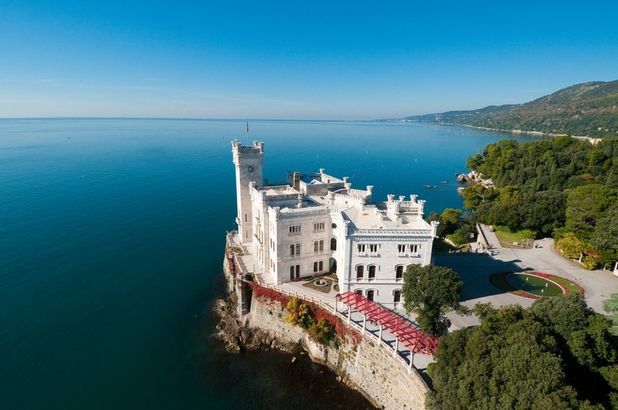
Miramare is a picturesque coastal town near Trieste, in the Friuli-Venezia Giulia region of northeastern Italy. It is famous for the stunning Miramare Castle, a 19th-century fortress-palace built for Archduke Ferdinand Maximilian of Habsburg and his wife Charlotte. Overlooking the Gulf of Trieste, the castle sits on a rocky promontory surrounded by a lush park and offers breathtaking views of the Adriatic Sea. The area is popular for its scenic beauty, historic charm, and tranquil seaside atmosphere.

A plant where world-famous Lipizzan horses are bred. It was founded back in 1580. It became a center of tourism and recreation only after the end of World War II. Paying attention to the recommendations, it is better to come here in early June, when events dedicated to the World Cup in horse dressage are organized.
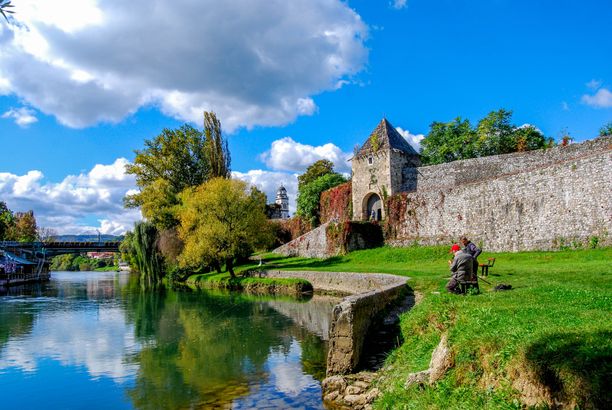
The Kastel Fortress is a fortress located in Banja Luka, Bosnia and Herzegovina. The fortress is medieval but is situated on the site of previous fortifications going back to Roman and even pre-Roman times. It was captured by the Ottoman Empire in 1527. The fortress is relatively well-preserved, and is one of Banja Luka's main attractions, situated on the left bank of the Vrbas river in the very center of town
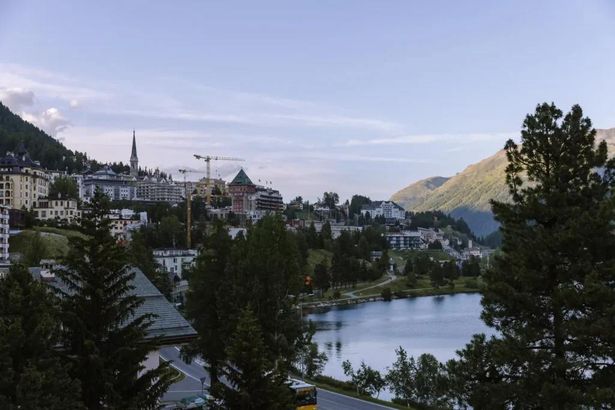
St Moritz is a high Alpine resort town located in the Engadine region in Switzerland. It has a long history dating back to the 17th century when it became a fashionable summer and spa resort. Then in 1864 it became the world’s first winter holiday resort and a playground for the rich and famous.
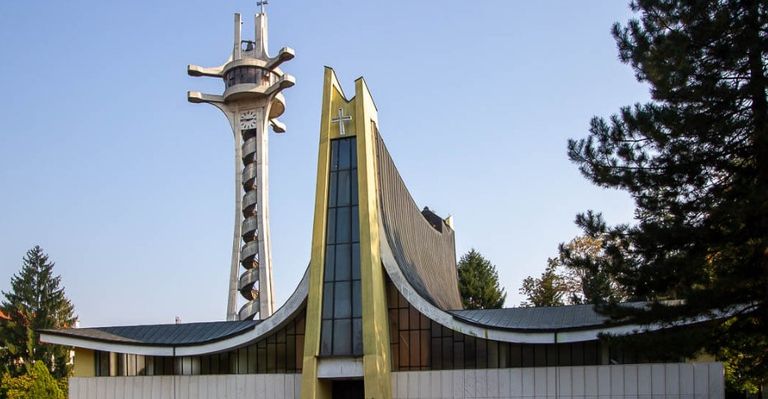
The Cathedral of Saint Bonaventure in Banja Luka is one of four Roman Catholic cathedrals in Bosnia and Herzegovina. It is the seat of the Banja Luka Bishopric currently led by Bishop Franjo Komarica. The cathedral was built in honor of Saint Bonaventure, a Franciscan theologian from the Middle Ages. It was constructed by Alfred Pichler in the 1970s after the original had been damaged in an earthquake.
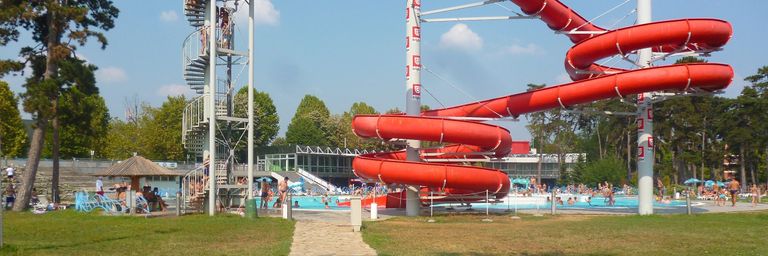
Aquapark "Akuana" is located on the alley of St. Sava within walking distance from the center of Banja Luka. The area of the park is 38,000 square meters. There are three swimming pools with a total area of 1,500 square meters.
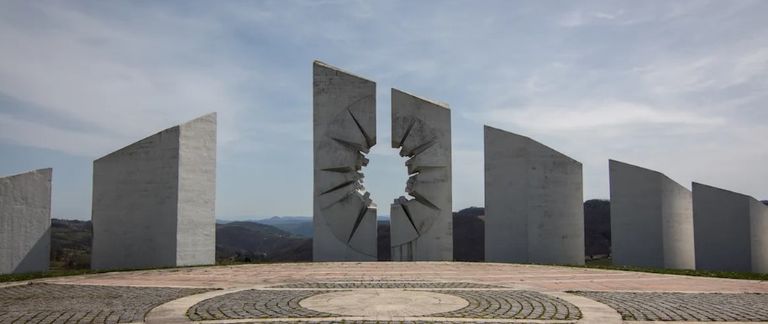
A grand Yugoslav memorial to the group of partisans who fought and died resisting western Serbia’s Nazi occupation. The city of Užice, in western Serbia, was the first region to win its independence from World War II-era Nazi occupation. In late 1941 partisans recaptured the city from the Germans, and declared the city and its surroundings the "Republic of Užice"—but it would be short lived.
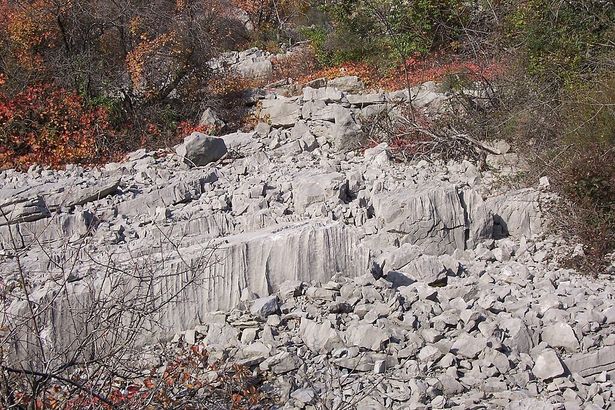
The limestone plateau consists of carbonate rocks that are easily soluble in water. For this reason, we observe karst phenomena. It is worth noting that the vegetation in the described area is quite sparse, grassy, and grapes are grown on fertile soils.
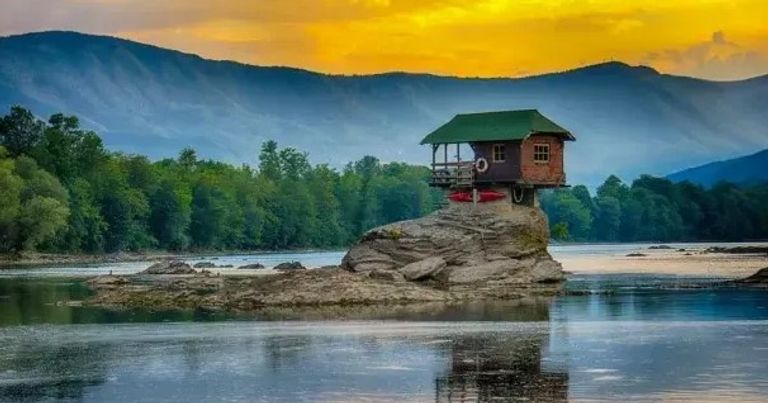
The house sprung up in 1969 when a group of swimmers wanted a more comfortable spot to rest, adding another attraction to the might of the Drina river. Images don’t come more adorable than the little House on the Drina.
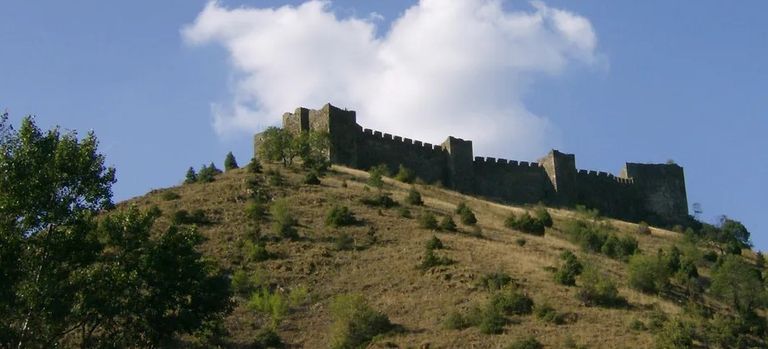
The ruins of this medieval castle on a foggy hill tell the story of a once-mighty empire. Maglič is a 13th century medieval castle near Kraljevo, Serbia. It's located on a hilltop surrounded by the curvy Ibar river. The name Maglič is said to come from the Serbian word magla meaning fog, as the hill underneath often disappears in the mist.
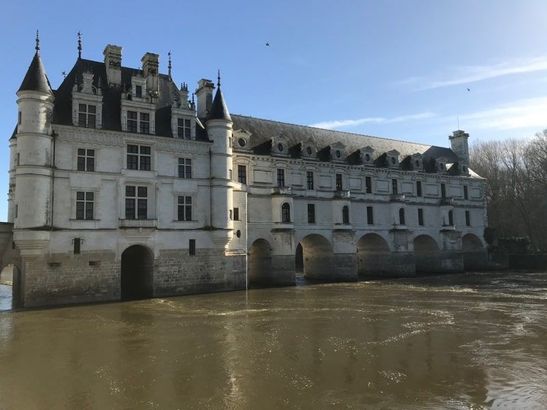
Chenonceau is the Loire Valley's best known and most visited château, one of the most famous buildings of France. It is commonly known as the Ladies' Castle, because women have been involved throughout its history: a woman built it (Catherine Briçonnet, wife of a royal financial superintendent), another woman embellished and expanded it (Henri II’s mistress Diane de Poitiers), and yet another reclaimed it (Catherine of Medici, Henri II's wife).