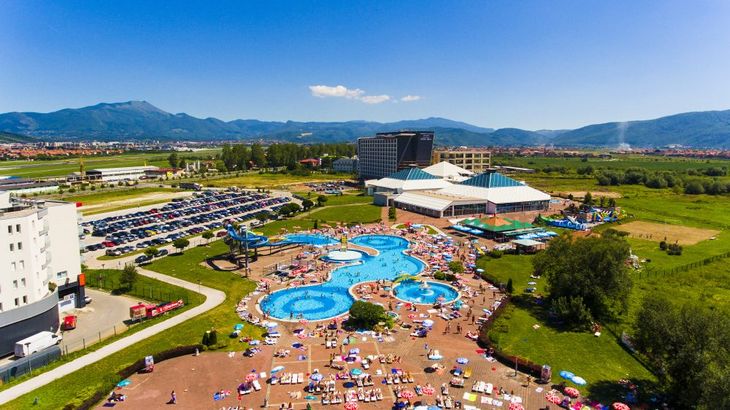
On an area of 15 hectares, the Ilidža Thermal Riviera offers its visitors pleasant relaxation and active vacation in indoor and outdoor pools with numerous attractive water and animation programs, as well as an attractive accompanying offer.
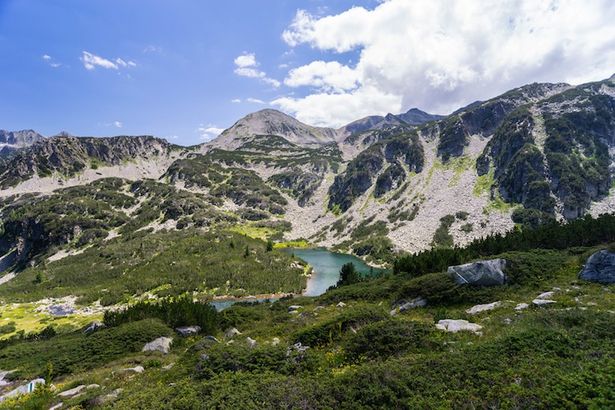
Home to more than 70 glacial lakes, old forests and soaring 2,915-metre peaks and ridges, the Pirin National Park is a Bulgarian national treasure. The National Park is a safe haven for many different types of rare species that use the Balkan mountain range for shelter.
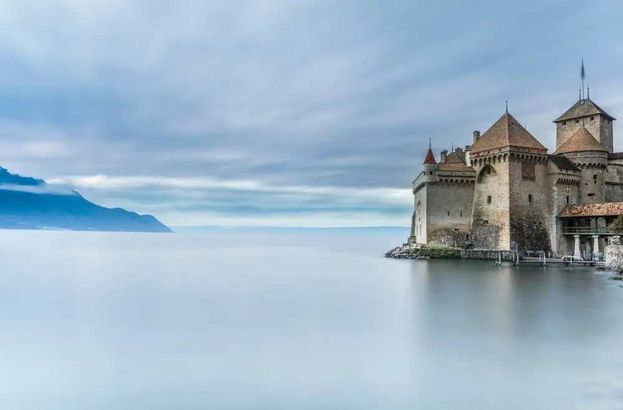
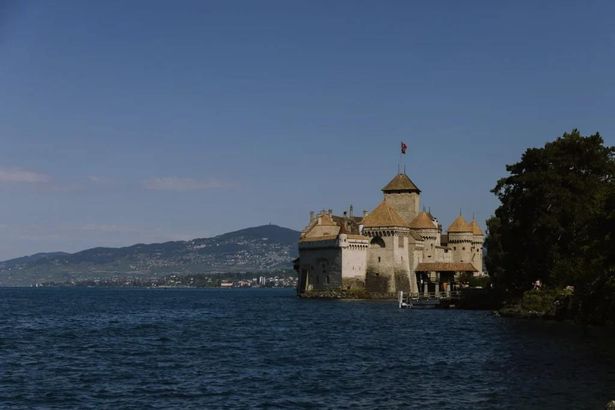
Chillon Castle (French: Château de Chillon) is a medieval island castle in Switzerland, located on the Swiss Riviera, at the edge of Lake Geneva, 3 km from the city of Montreux, between the settlements of Veytaux and Villeneuve.
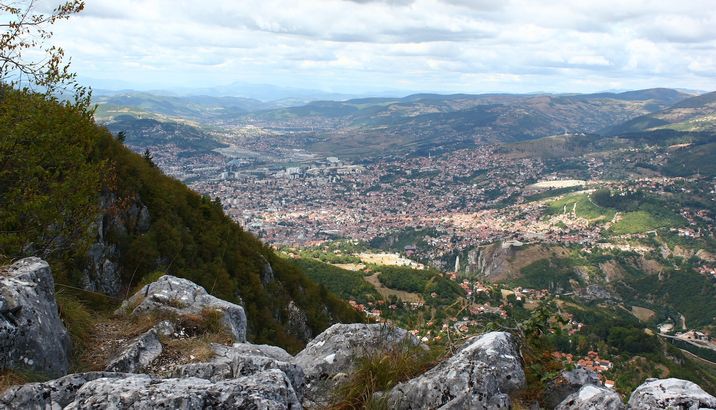
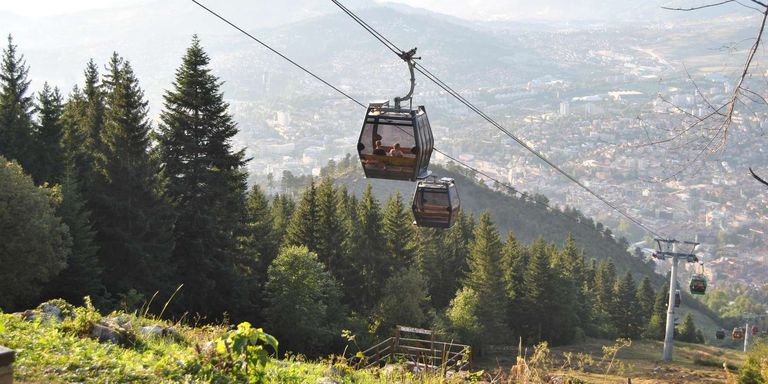
Known as “the lungs of Sarajevo,” Trebević is the closest mountain that is reachable via the cable car from the heart of Stari Grad (Old Town), from the neighborhood of Bistrik.
Walking from the cable summit station (which will soon see the reconstruction of the once-popular restaurant, Vidikovac), either on the road or along the marked mountain paths, will lead you in many different directions where various activities await you.
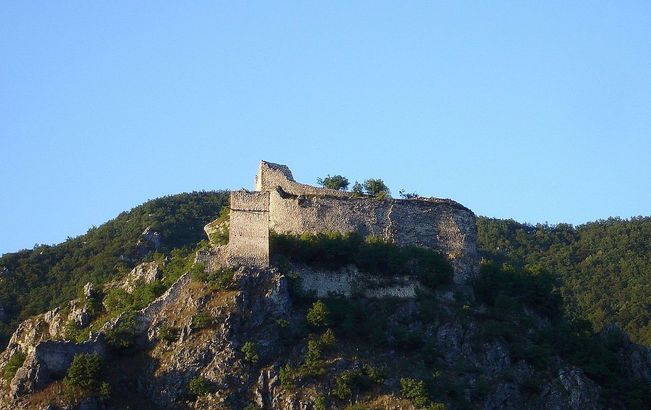
This medieval fortress guards a monastery near the border of Serbia and Montenegro. First mentioned in 1444, Mileševac Fortress is believed to have been erected during the reign of Stefan Vladislav in the early 13th century. Perched upon a massive rock formation, the fortress enjoyed favorable defenses from all sides, thanks to the steep and impassable cliffs that surround it. The remains of the Mileševac Fortress still stands above the monastery as a symbol of Serbian medieval heritage.
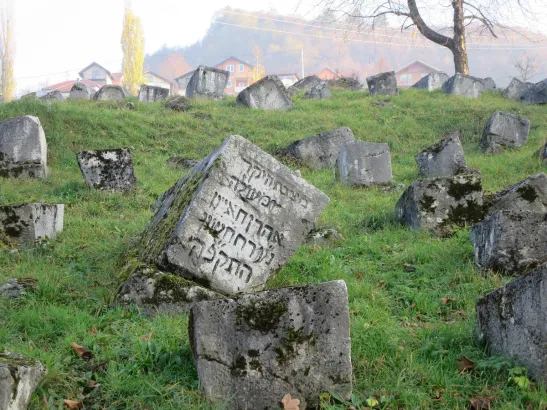
This historic cemetery was inaccessible for several years due to dozens of land mines. английский (определен автоматически)
английский
русский
немецкий
русский
английский
украинский
The graveyard is particularly notable for the unique shape of its tombstones, which bear the influence of the monumental, medieval Bosnian stećci in their block-like shapes and decorative motifs.
Lake Geneva is 60% in Switzerland and 40% in France. Its crescent shape sweeps through the cantons of Vaud, Geneva, and Valais, passing some of the best attractions in Switzerland. The 582 km2 body of water is the focal point of the area. The uniquely mild climate makes it a popular destination for outdoor activities in Switzerland.
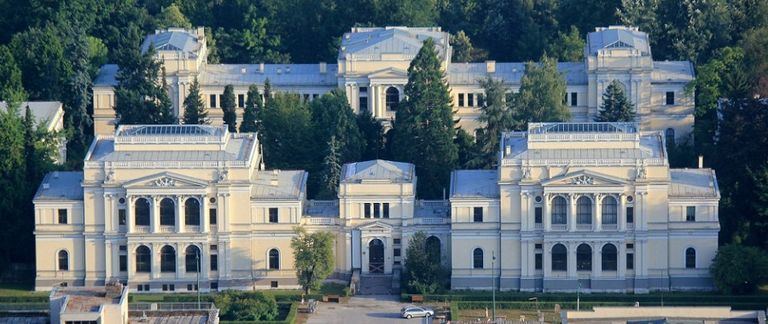
The National Museum of Bosnia and Herzegovina is the most comprehensive collection of artifacts on the history, culture and traditions of the country, and not only its collections but also the museum building itself are noteworthy – a magnificent example of neoclassical architectural style of the early 20th century. Among the pearls of the collection are Illyrian and Roman inscriptions, as well as the well-known Sarajevo Haggadah – a copy of the spiritual book of the Jews from the 14th century.
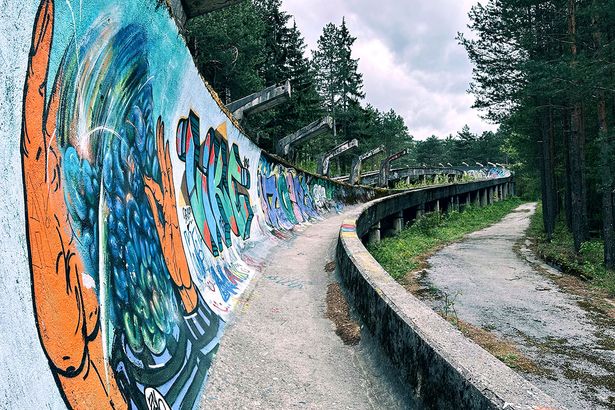
Graffiti on exposed concrete replaces the sheen of ice that once covered the now defunct Sarajevo Olympic Bobsleigh and Luge Track. This abandoned track from the 1984 Winter Olympics sits among the forest on Trebevic mountain outside the city, waiting for visitors to walk or bike along its course. Fans of urban exploration or nature hikes may enjoy exploring this now neglected site.
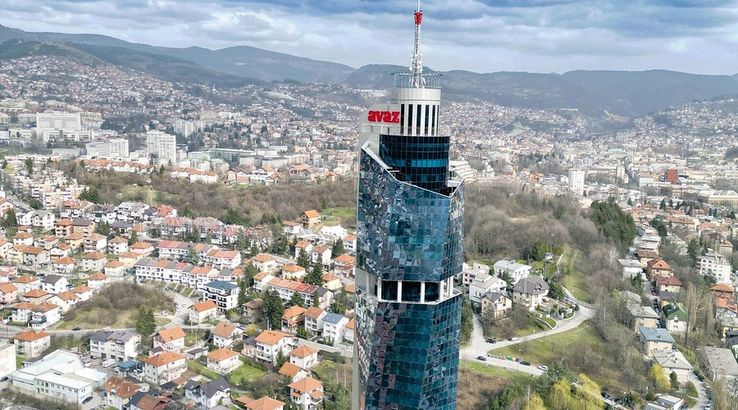
You can see the city from above from the observation deck of the Avaz Twist business center. It is located on the 36th floor of the tower, and a high-speed elevator takes tourists up. On the floor below, there is a cafe with panoramic windows, which also offer excellent panoramic views of Sarajevo.
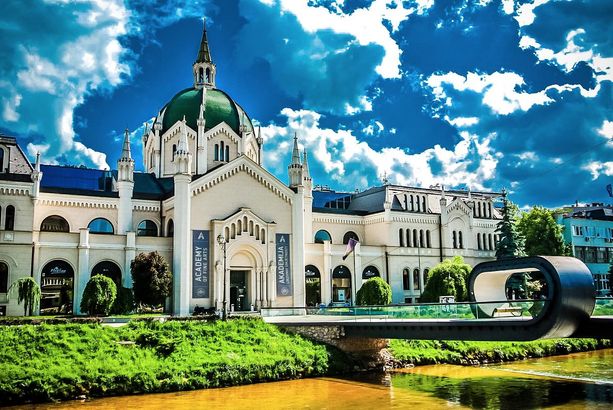
The Academy of Fine Arts in Sarajevo was established in 1972, pursuant to the Law on the Establishment of the Academy, adopted that same year, which defined its principal tasks, primarily those of educating artists sin the domain of fine and visual arts, and organising the teaching process for primary and secondary school teachers of arts.
This cable car leads to Mount Trebevic. The observation deck offers unique views of the city. The funicular takes tourists to a point located at an altitude of 1,160 meters. In addition to the observation deck, you can find a cafe, ruins of an old observatory, a fortress, etc. at the top. And this is not to mention the natural attractions.
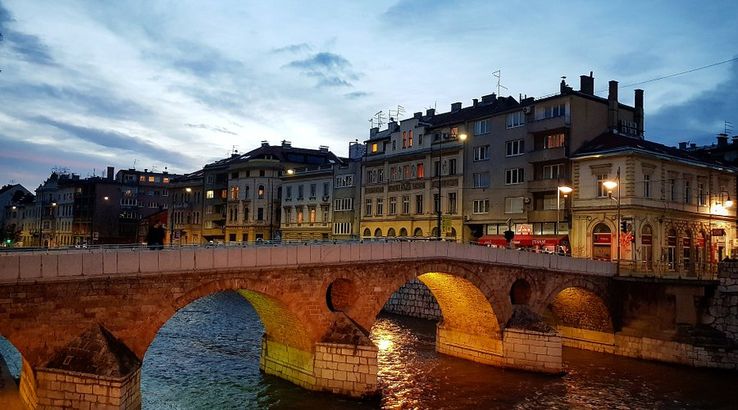
Crossing the Miljacka River and leading into the old town of Sarajevo, the Latin Bridge is an elegant fixture of Sarajevo’s scenic riverfront. But what draws so many visitors to this Ottoman landmark is its part in world history as the site where Archduke Franz Ferdinand of Austria was assassinated, instigating the events of World War I.
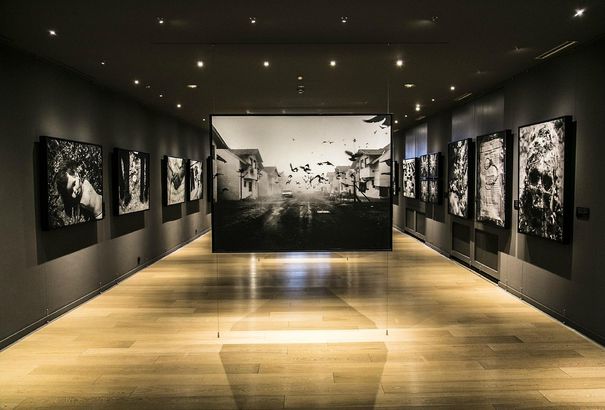
This new museum was opened in July 2016 and is the work of a group of survivors/victims as well as young researchers of the war crimes committed during the war in Bosnia between 1992 and 1995/96. It started out as mainly a collection of photos, but since then lots of original artefacts have been added to the museum's collection
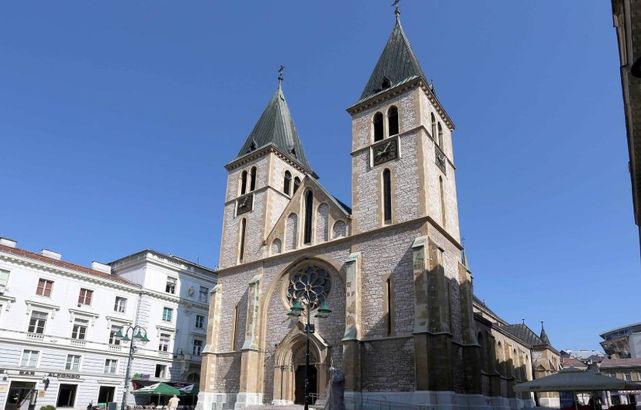
Even if you can't get inside, the cathedral is impressively beautiful from the outside.
Walk to the end of Sarajevo's main avenue and you'll find the Eternal Flame monument. Situated at the intersection of two streets, the monument symbolizes the liberation of Sarajevo from Nazi occupation.
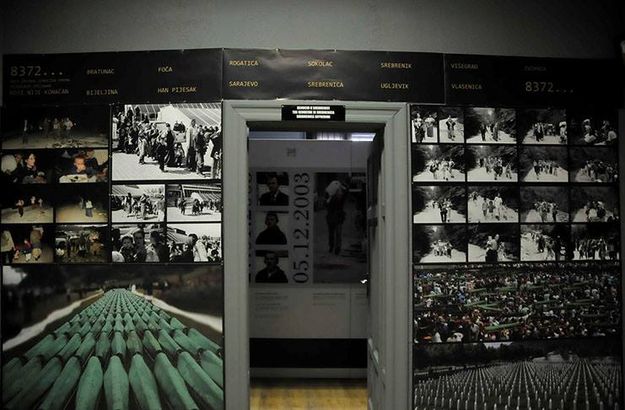
Gallery 11/07/95 is the first memorial museum/gallery in Bosnia and Herzegovina – exhibition space aiming to preserve the memory on Srebrenica tragedy and 8372 persons who tragically lost their lives during the genocide.
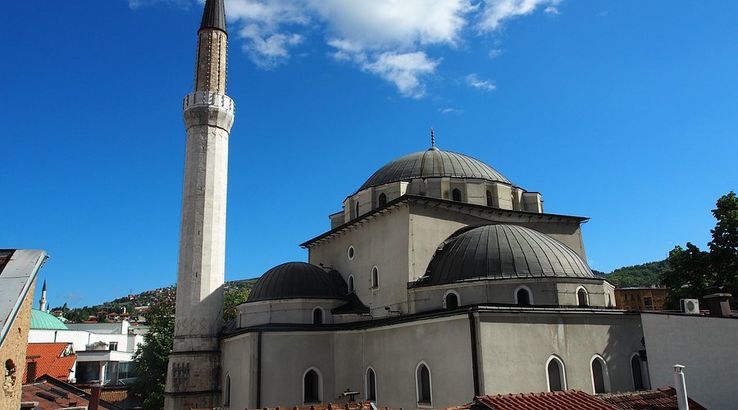
The Gazi Husrev-beg Mosque was completed in the 16th century and features Ottoman architecture. To this day, the mosque remains one of the largest in Bosnia and Herzegovina.
Today the mosque serves as the main congregational mosque of the Islamic Community of Bosnia and Herzegovina, but tourists and guests are welcomed.
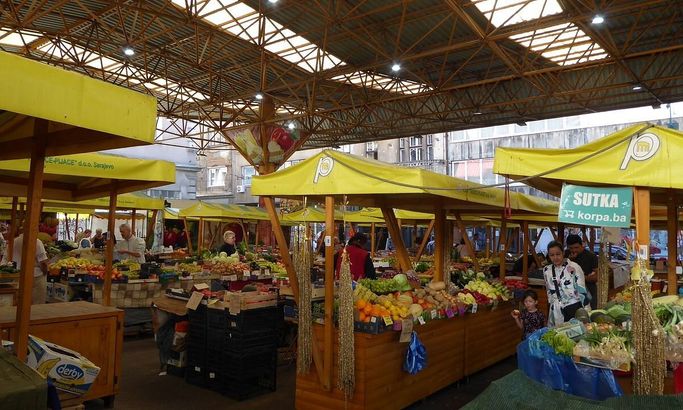
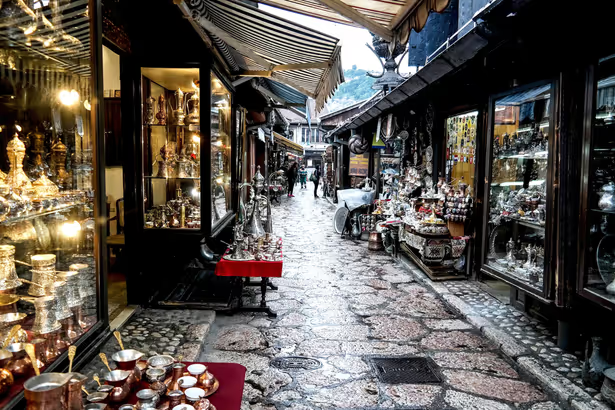
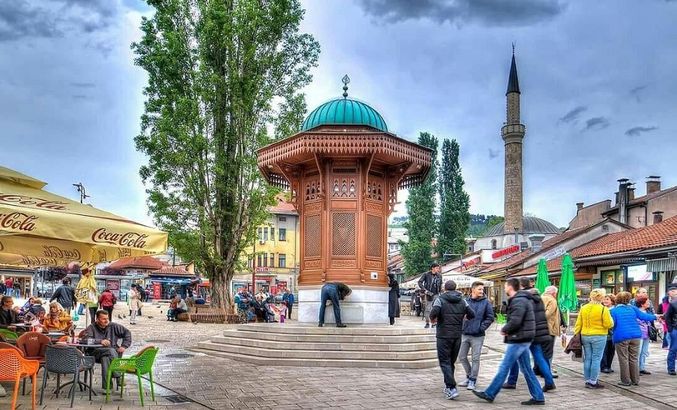
Bascarsija Bazaar, the Ottoman-era marketplace of Sarajevo, is a lively hub of activity in the city’s old town, Stari Grad. Crowded streets lined with traditional and souvenir shops, a broad selection of cultural landmarks, and the ornate Sebilj fountain help make this one of Sarajevo’s most popular attractions, no matter your interests.
The Sebilj drinking fountain was built in 1891 on the site of a kiosk with drinking water that burned down in 1852 and was built by order of the Sultan's viceroy in Bosnia, Mehmed Pasha Kukavica. Today, Sebilj is one of the calling cards of Sarajevo.