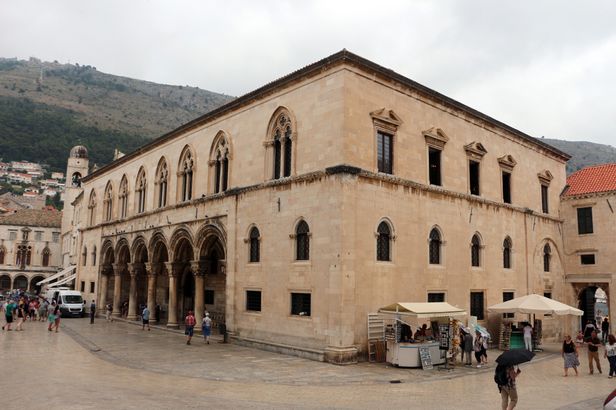
You will definitely be impressed by the princely palace in Dubrovnik, its architecture is so interesting. The building is built in the Gothic style, it is very strict. However, over time, the facade of the building was enriched with Renaissance details. The beginning of construction works dates back to the 15th century. The palace (castle) was the working residence of the local princes. The main facade of the building is decorated with two side towers, which have been preserved to this day.
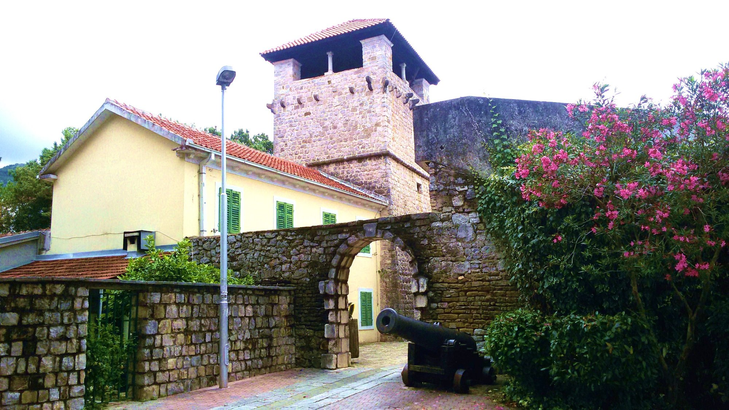
One of the main attractions in Tivat is the Bucha Palace. The summer residence of the wealthy Bucha family was built in the 17th century. Next to the small house is a family church with a chapel. All the buildings are made of stone and are surrounded by a stone wall. The complex includes a gallery and a garden.
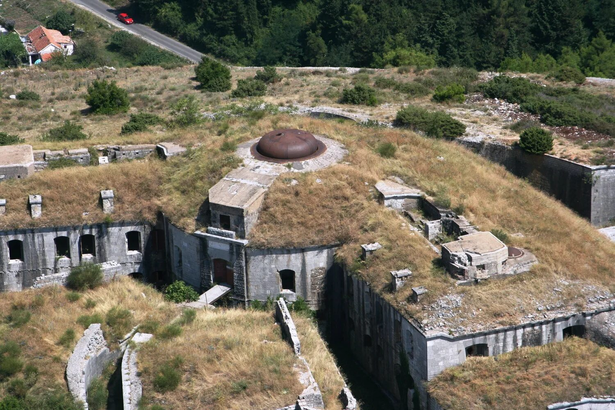
On a picturesque cliff near Kotor, there is a mysterious and ivy-covered abandoned fortress called Vrmac. It was built at the turn of the 19th and 20th centuries during the Austro-Hungarian rule.
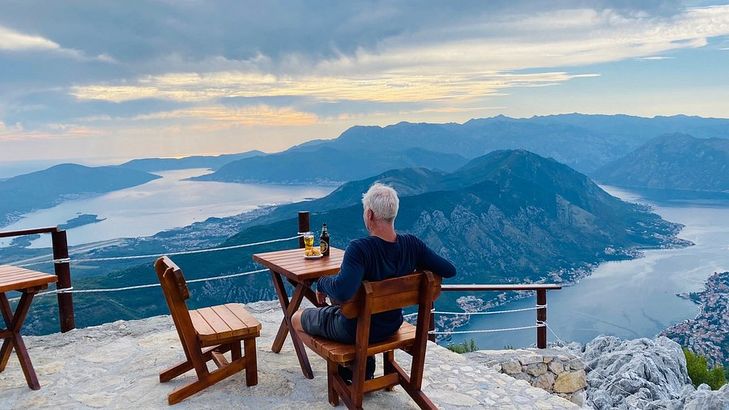
The Horizont Café perched up high with one of the best views in the region. From this terrace, the entire Montenegrin landscape seems to unfold before your eyes—mountains stretching into the horizon and rolling hills below. It’s the perfect place to relax after exploring, especially as the sun starts to set, casting the town and the surrounding nature in a warm glow. Order a coffee or a glass of local wine, sit back, and enjoy the view—this is Montenegro at its most peaceful and beautiful.
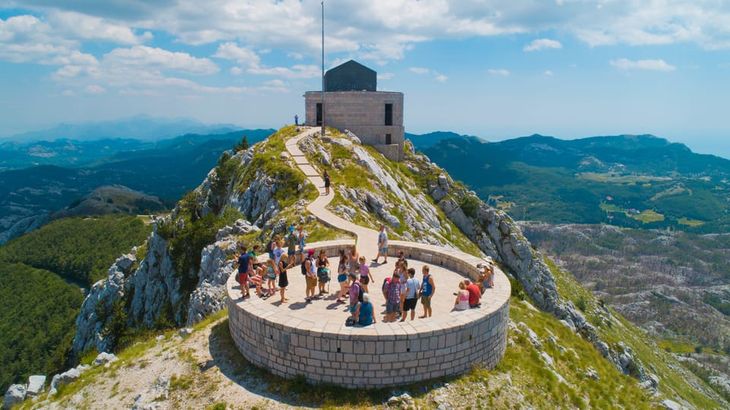
This park is all about dramatic scenery and cultural significance. Perched on Mount Lovćen is the Njegoš Mausoleum, the resting place of Montenegro’s beloved ruler and poet, Petar II Petrović-Njegoš. Reaching it involves climbing 461 steps—sure, it’s a bit of a workout, but the 360-degree view from the top is pure magic. You can see all the way to the Adriatic on a clear day, and it’ll make you feel on top of the world.
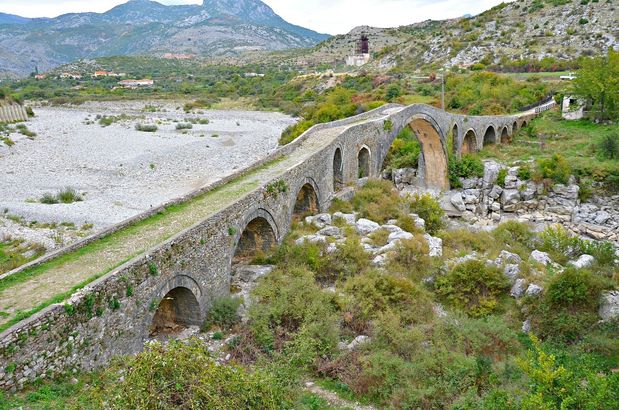
The bridge is not only an example of Ottoman architecture, but also an interesting engineering structure. Its length exceeds one hundred meters, and its width is about 3.5 meters. The builders had to use an unusual non-linear design: the bridge has a slight slope, and its right span is several meters lower than the central one. In 2010, the structure was restored, so now tourists can not only admire the picturesque structure, but also walk along the bridge or ride a bicycle.
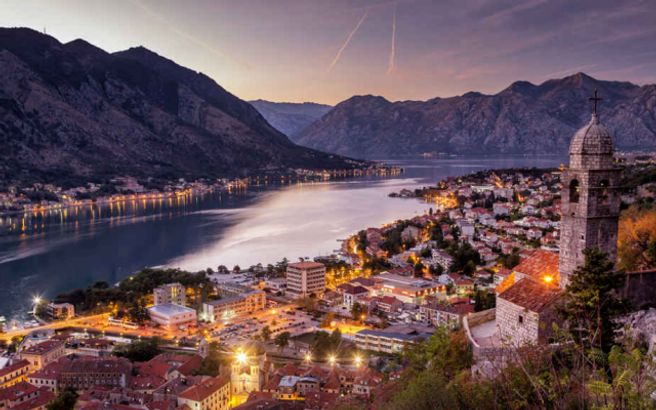
The winding roads around the bay lead you to quaint villages, each with its own charm. The calm waters make it ideal for swimming, kayaking or paddleboarding. This entire area is hands down one of the most photogenic spots in the country, and you’ll be snapping pics like it’s your job.
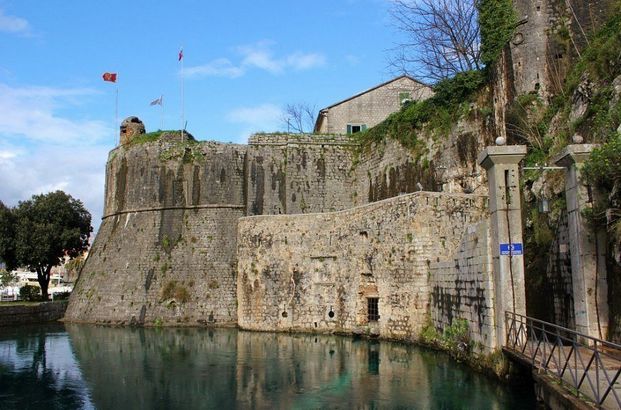
The southern gate of old Kotor is called Gurdich, after the river that runs around the southern part of the fortress walls. Gurdich is a river with a constantly changing bed, during heavy rain the water rushes out of the cave with great force and rushes into the bay, and in the dry summer the source of the river dries up and it is filled in the opposite order with sea water.
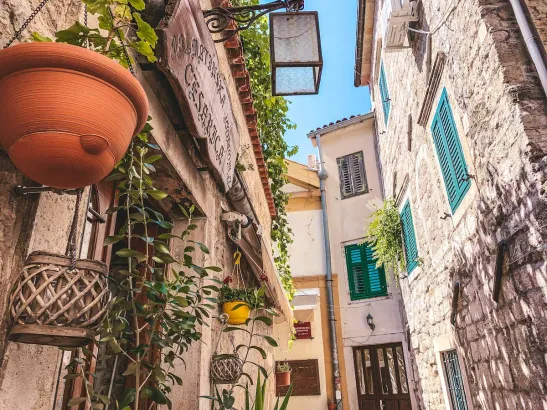
This medieval beauty is what happens when ancient stone buildings, secret alleyways, and a splash of Venetian influence come together. The whole place is like a living, breathing museum—but one that smells of fresh bread and espresso.
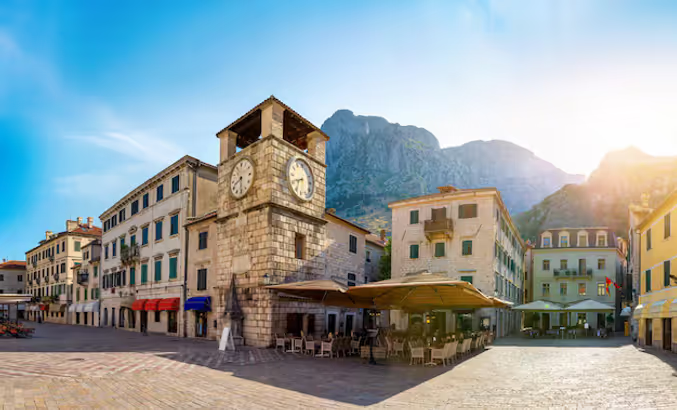
Built in 1602, the Kotor Clock Tower is one of the most recognizable landmarks in Kotor Old Town. Dominating Kotor’s largest square—the Square of the Arms—its plain stonework and clock faces match the stark mountains behind it and are the first things you see as you emerge from the Sea Gate entrance in the town walls.
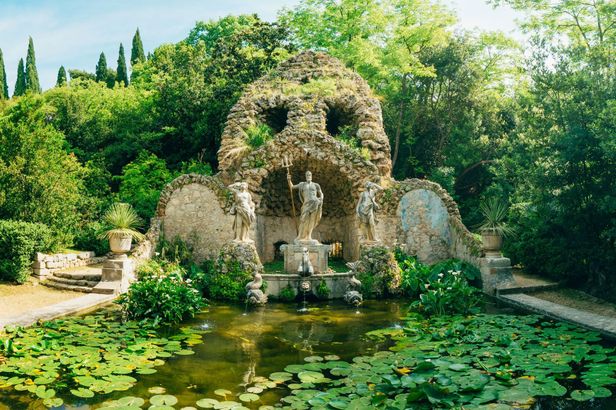
Entering the Trsteno Arboretum will make you feel like you’ve entered a secret corner of paradise. This charming botanical garden is located in the village of Trsteno and is a great example of Croatia’s natural attractions. The arboretum has been lovingly tended for centuries and is a true testament to the beauty of nature and the skill of human hands.
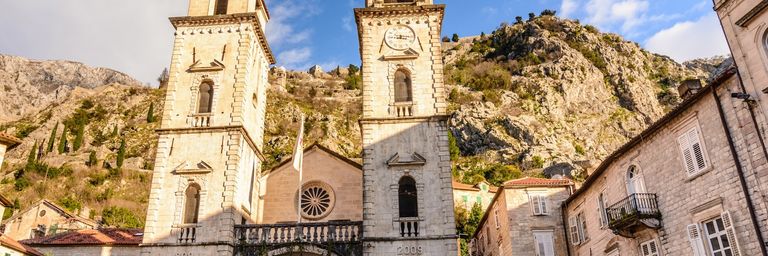
St. Tryphon Cathedral is an impressive sight sandwiched between Montenegro’s UNESCO-listed walled city of Kotor and the mountains behind it. Rebuilt several times between the 12th and 17th centuries, this remarkable church is known for its original Romanesque architecture and sacred treasures and as a religious and cultural cornerstone of this history-steeped old town.
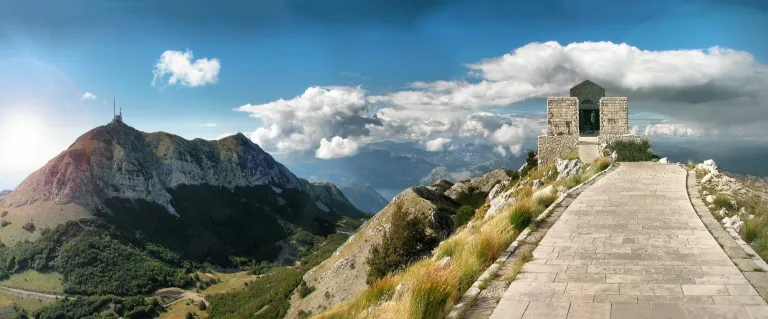
n important historical and cultural monument located on the top of Mount Lovcen. The mausoleum is dedicated to Metropolitan Petar II Petrović-Njegoš, a prominent Montenegrin ruler, poet, and philosopher, and one of the main fighters for Montenegrin independence from Turkish and Austro-Hungarian rule.
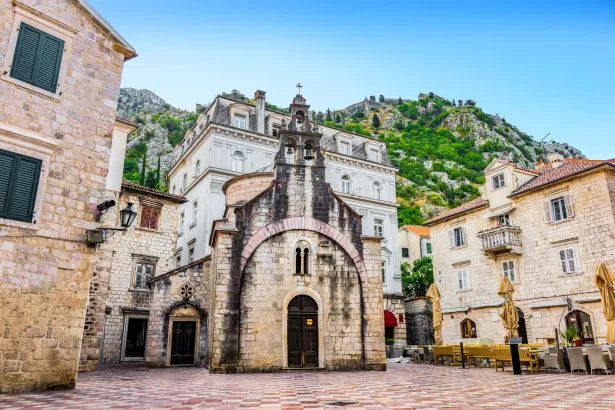
Hidden away in the northeastern fringes of Kotor Old Town, the Church of St. Luke is one of the city’s oldest churches. Dating from 1195, this tiny and modest-looking Romanesque church hides a shimmering interior and an unexpected feature: Christian and Orthodox altars sitting side by side.
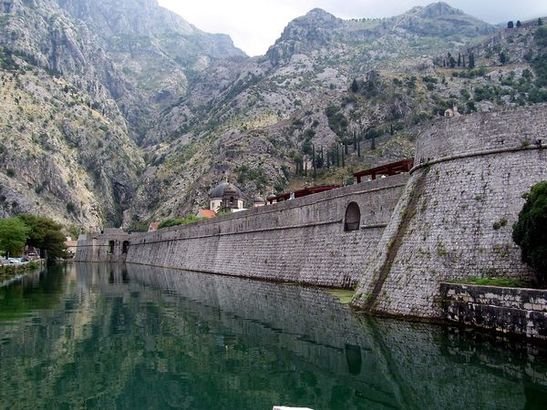
These historic defenses ensured the city within would survive hundreds of years of occupations, sieges, and invasions.
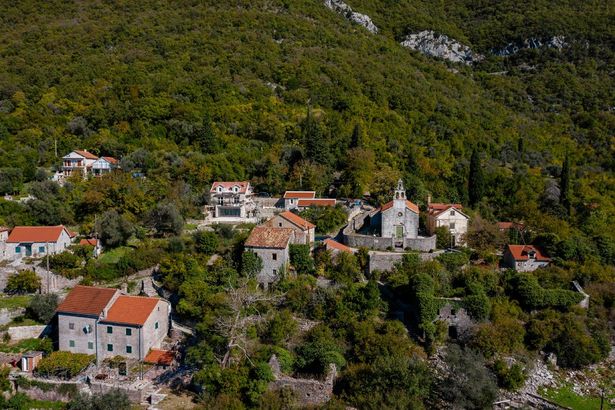
This small village appeared in the vicinity of Tivat in the Middle Ages. The first mention of the settlement dates back to the 16th century. Gornja Lastva is located on a hillside, 300 meters above sea level.
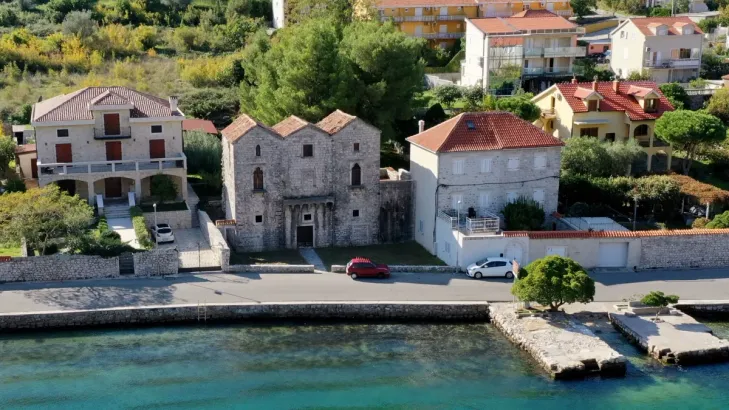
The legend of Tre Sorelle is a captivating folk tale that originates from the Bay of Kotor region in Montenegro. It tells the story of three sisters who all fall in love with the same sailor, with their love unrequited. This legendary tale has been passed down through generations around the bay for centuries and has its roots in Prčanj, a town near Kotor.
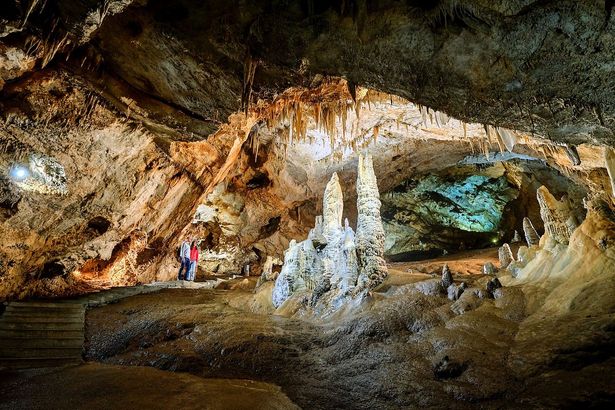
Just outside the Royal Capital of Cetinje, Lipa Cave is one of the largest cave systems in Montenegro and the first to open to tourists. Its tight passageways and voluminous ‘halls’ stretch for more than 2.5km underground, from the village of Lipa into the mountains along the Adriatic coast. Lipa’s impressive karst rock formations and cathedral ceilings make it one of Montenegro’s most important natural attractions.
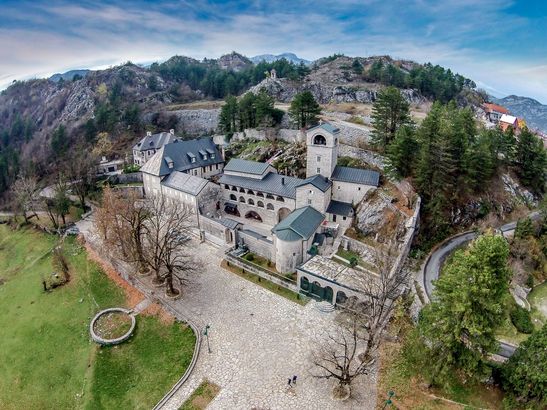
This monastery of the Serbian Orthodox Church is located in the city of Cetinje (the former royal capital of Montenegro) and is the seat of the Montenegrin Metropolitanate. The monastery houses priceless relics, including the relics of Saint Peter of Cetinje and Saint John the Baptist, fragments of the True Cross, a list of the Icon of Our Lady of Fierum, the crown of King Stefan Uros III of Serbia, and others.
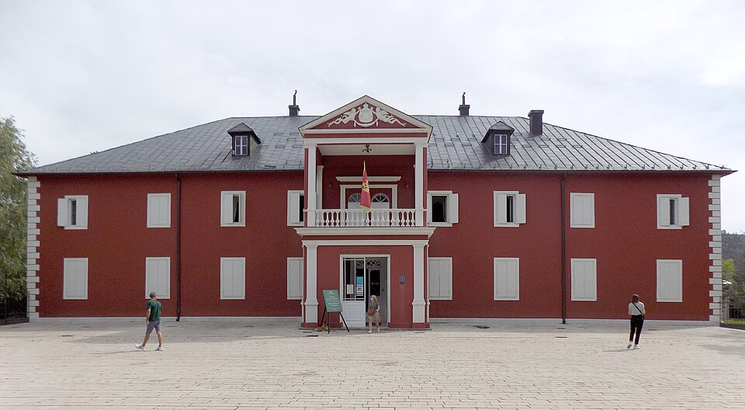
The Museum of King Nikola in Cetinje is housed in the former royal palace of Montenegro's last monarch, King Nikola I Petrović-Njegoš. Located in the historic capital of Cetinje, the museum displays a rich collection of royal memorabilia, including furniture, personal items, awards, and historical documents. It provides a fascinating glimpse into the life of the king and the cultural and political history of Montenegro during the 19th and early 20th centuries.