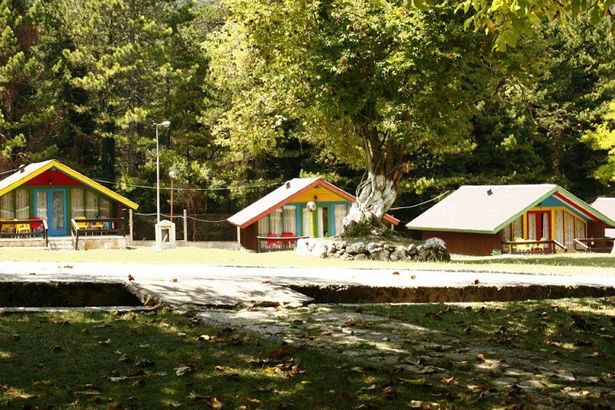
Logara Tourist Village is a mountain recreation center. Here, sika deer roam freely, and you can pet and feed them. However, it is worth keeping in mind that the deer are only released to roam freely during the high season; at the beginning of autumn, they are driven into enclosures and you will not be able to interact with them.
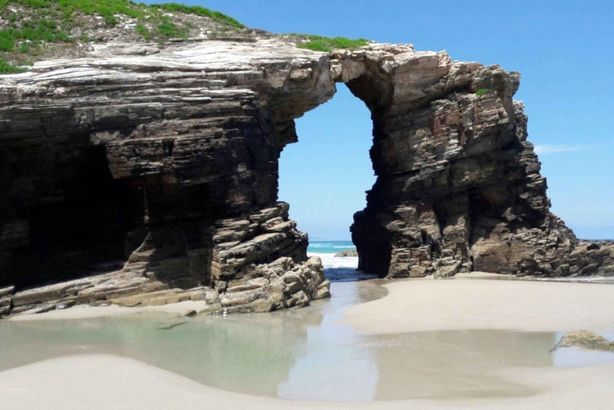
Take a stroll along the sea between the arches of the “stone cathedral”. This is what awaits you if you decide to visit the beach of As Catedrais in Ribadeo. The bizarre shapes created by the wind and water make this beach one of the most beautiful in all of Spain. So when the tide goes out, it’s best to take off your shoes and go for a walk along the beach that you won’t regret.
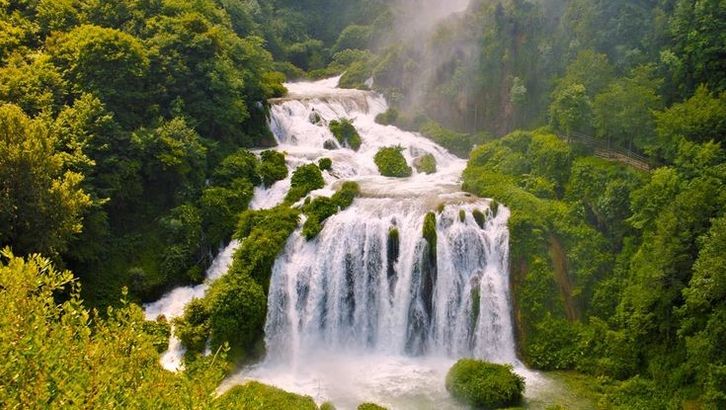
The Marmore Waterfall is one of the tallest and most impressive waterfalls in Europe, located near the village of Marmore in the Umbria region of Italy. Created by ancient Roman engineers to drain marshland, the waterfall drops 165 meters (541 ft) in three stages. Today, it is part of a hydroelectric system and features scheduled water releases that allow visitors to witness its full power.

The Museum of Ethnography is located in the historical center of Gjirokastra. In 1966, a new building was built specifically to house the museum collections. It is designed in a historical architectural style and resembles the old mansions that are abundant on the streets of the city.
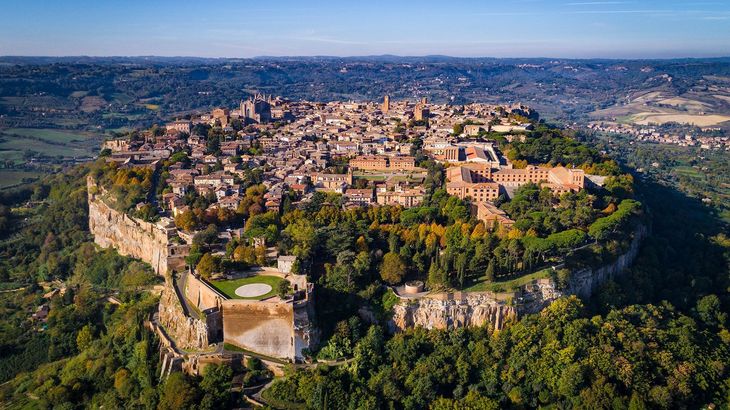
Orvieto is a historic hilltop town in the Umbria region of central Italy, known for its stunning medieval architecture, rich history, and panoramic views over the surrounding countryside. The town is famous for its magnificent Orvieto Cathedral (Duomo di Orvieto), a masterpiece of Gothic architecture adorned with elaborate sculptures and frescoes. Built on a plateau of volcanic tuff, Orvieto also features an extensive network of underground caves and tunnels, offering a unique glimpse into its ancient past.
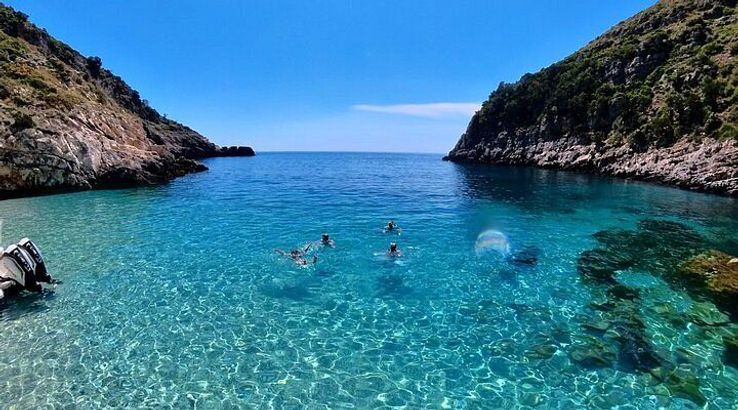
The national park is well suited for divers: during a dive you can see turtles, dolphins, sharks and other underwater inhabitants, as well as examine the remains of sunken Greek and Roman ships and military vessels that sank in the 20th century. Tourists are also offered boat and motorboat excursions.

The Palais des Papes, or Papal Palace, is one of the most famous French landmarks and the site of one of the stranger episodes in the history of both France and Christendom. Medieval France and Italy both contained Papal States and popes weren't as stationary then – they traveled around Europe and resided in certain cities for a time.
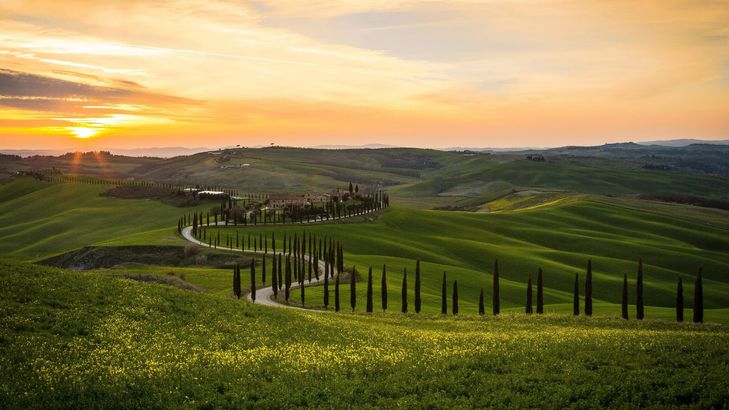
Val d’Orcia is a picturesque region in southern Tuscany, Italy, known for its rolling hills, cypress-lined roads, vineyards, and charming medieval villages like Pienza, Montepulciano, and San Quirico d’Orcia. Renowned for its scenic beauty and agricultural traditions, the area has been designated a UNESCO World Heritage Site. It is especially famous for producing world-class wines, including Brunello di Montalcino and Vino Nobile di Montepulciano.
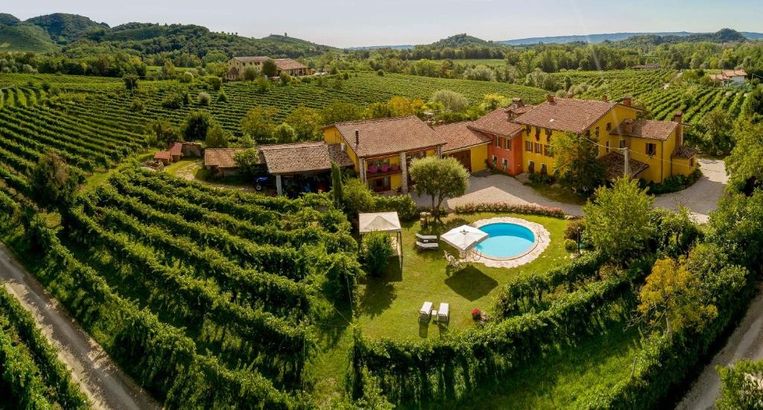
Azienda Agricola Ercolani is a family-run organic farm and agriturismo located in the Emilia-Romagna region of Italy. Specializing in sustainable agriculture, the farm produces high-quality fruits, vegetables, and wines, often used in their on-site restaurant that offers traditional Italian cuisine. Visitors can enjoy farm stays, cooking classes, and immersive experiences in rural Italian life surrounded by scenic countryside.
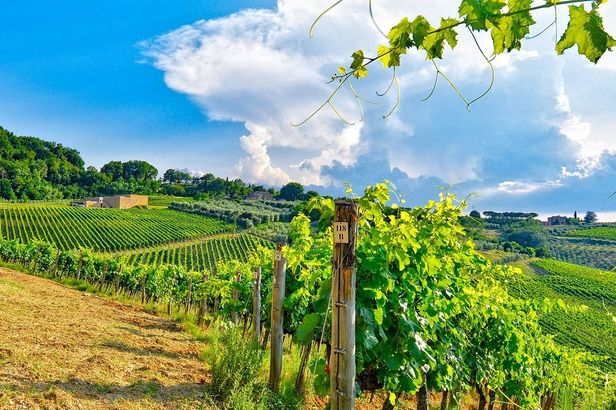
Icario Winery is a boutique winery located in the Emilia-Romagna region of Italy, known for its dedication to producing high-quality, artisanal wines using traditional methods and local grape varieties. The winery emphasizes sustainability and respect for the land, crafting wines that reflect the unique terroir of the region. Visitors can enjoy wine tastings, vineyard tours, and a firsthand look at the winemaking process in a peaceful, rural setting.
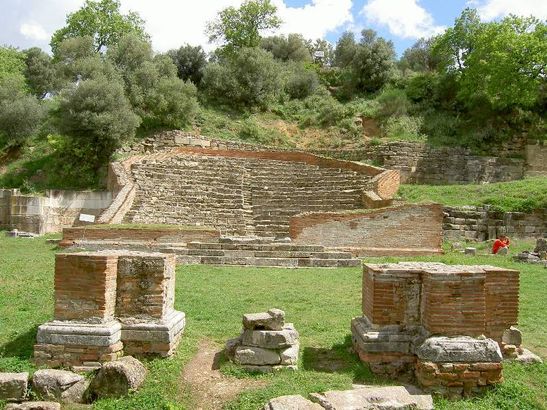
Today, the ruins of ancient Apollonia are one of the most interesting archaeological sites in the country. Here you can see large, well-preserved fragments of an ancient theater, a temple from the 6th century BC, sections of paved roads and residential buildings, baths, a well and many other objects found by archaeologists. Tourists can walk around the entire complex on their own or with a guide; entrance to the territory is paid.
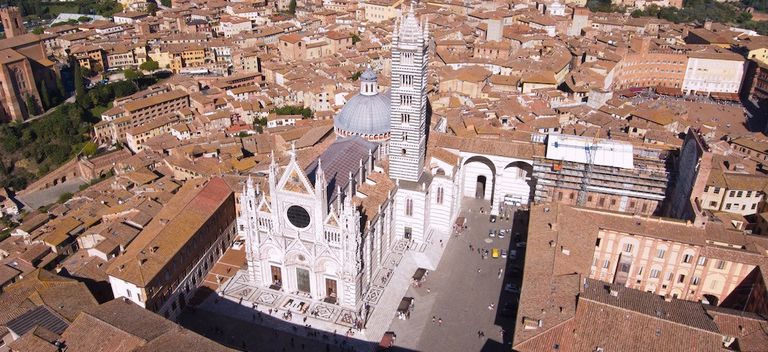
The Siena Cathedral is a magnificent example of Italian Romanesque-Gothic architecture located in the historic city of Siena, Tuscany, Italy. Construction began in the 12th century and continued over several centuries, resulting in a rich blend of artistic styles. The cathedral is renowned for its stunning black-and-white striped façade, intricate marble floors, and masterpieces by artists such as Michelangelo, Donatello, and Bernini.

The National Archaeological Museum of Umbria is a key cultural institution located in Perugia, Italy. It houses an extensive collection of artifacts from ancient Umbrian and Etruscan civilizations, including pottery, sculptures, jewelry, and funerary objects. The museum offers valuable insight into the region’s pre-Roman history and the development of early Italian cultures.
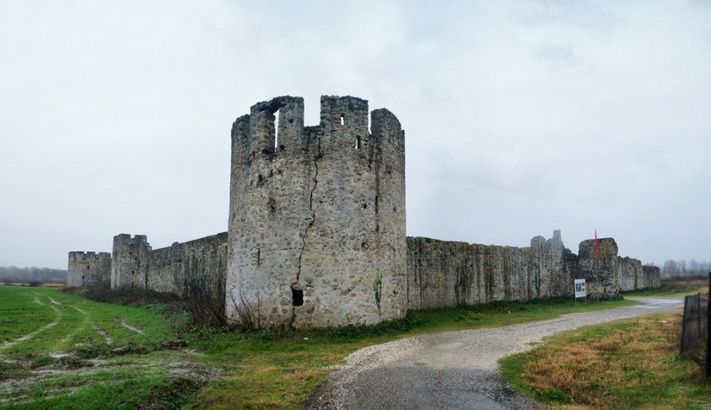
The ancient fortress of Bastova is located in the central part of the country, near the Gulf of Durres. It was founded in the 15th century by Venetian merchants who used it as a stronghold for trade. The stone fortifications have been well preserved to this day and are one of the largest tourist attractions in the region.
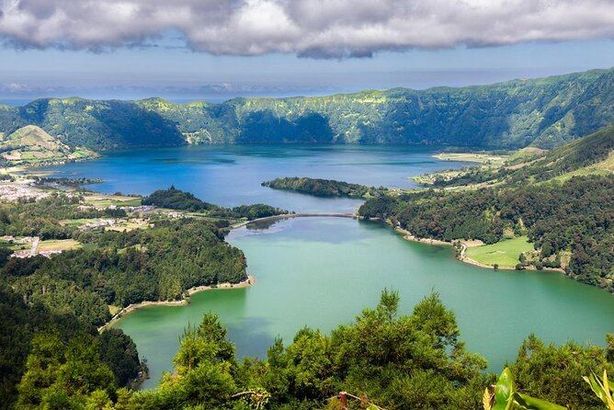
Nature lovers will find plenty to marvel at in the Azores, but the otherworldly volcanic landscape of São Miguel Island’s Sete Cidades is one of the archipelago’s most magnificent natural wonders. The massive caldera has two lakes: one blue and one green.
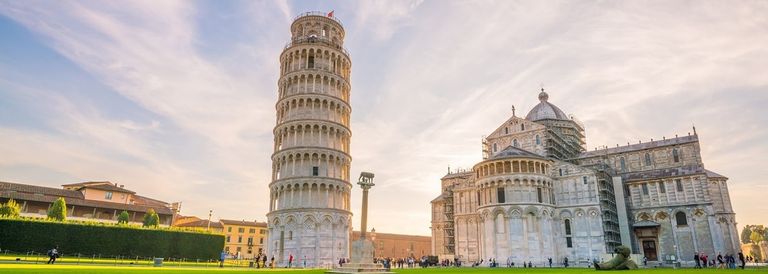
The Leaning Tower of Pisa is one of Italy’s most iconic landmarks, located in the city of Pisa. This freestanding bell tower began leaning during construction in the 12th century due to unstable foundation soil, and has since become world-famous for its unintended tilt. Completed in the 14th century, it stands as a masterpiece of Romanesque architecture and attracts millions of visitors each year who come to admire and photograph its unique lean.

The cathedral building is designed in the neo-Byzantine style and resembles early Christian churches. The facades are decorated with decorative details, the color scheme includes shades of pink, blue and brown. The interior is also worthy of attention: the cathedral is decorated with a large carved altar, the design uses Albanian eagles - one of the main symbols of the state.

Another French landmark of note is Bordeaux's Grosse Cloche. It is one of the oldest belfries in France and one of the most recognizable landmarks in Bordeaux, even featuring on Bordeaux's coat of arms. The belfry was built from the 13th century remains of the Porte Saint-Éloi, which was one of the main gates to medieval fortified Bordeaux.
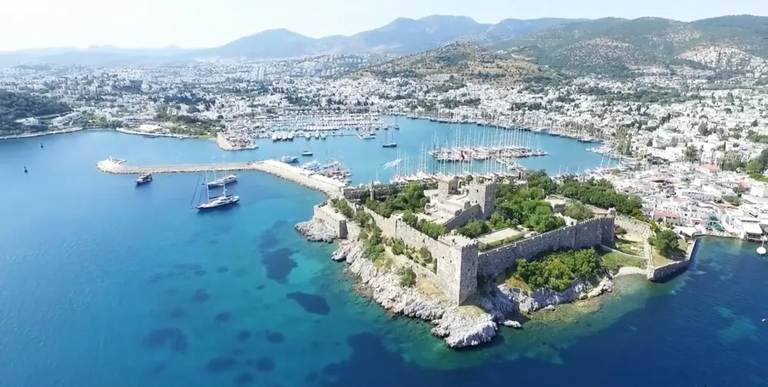
Bodrum Castle, also known as the Castle of St. Peter, is a historic fortress located in the coastal town of Bodrum, Turkey, built by the Knights of St. John in the 15th century to defend against Ottoman expansion. Perched on a small peninsula overlooking the Aegean Sea, the castle features thick stone walls, watchtowers, and a moat, blending medieval military architecture with stunning sea views.
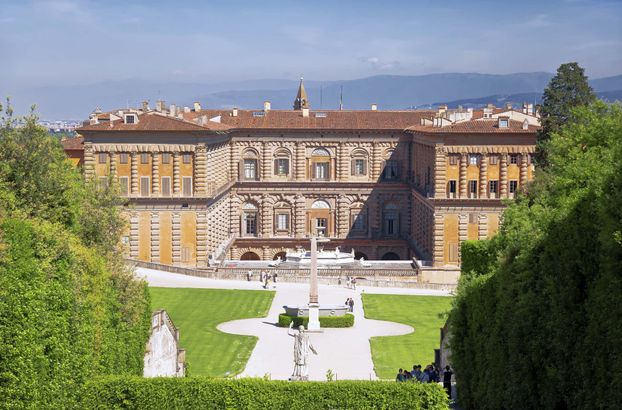
The Pitti Palace (Palazzo Pitti) is a vast Renaissance palace in Florence, Italy, originally built in the 15th century for the wealthy banker Luca Pitti. Later acquired by the Medici family, it became the official residence of the Grand Dukes of Tuscany. Surrounded by the expansive Boboli Gardens, the palace houses several museums, including the Palatine Gallery, Royal Apartments, and the Treasury Museum, showcasing priceless art, furnishings, and historical artifacts.