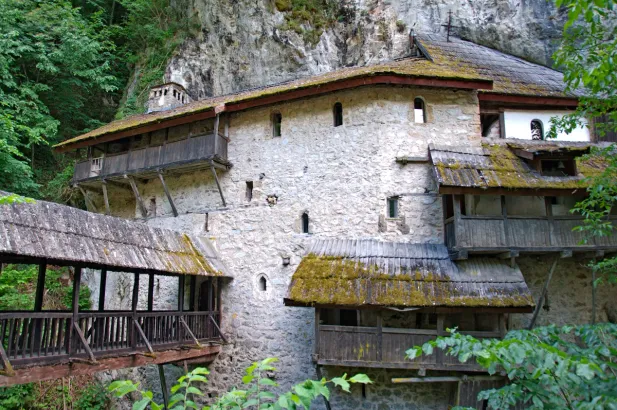
Crna Reka Monastery (meaning "Black River") is often considered a work of exquisite construction and creativity. The church and the monks' cells seem to hang from the rock, though they're actually built into cliffside caves. The 13th-century Serbian Orthodox monastery is situated in the Crna Reka river canyon. A narrow wooden footbridge connects the monastery to the earth below.
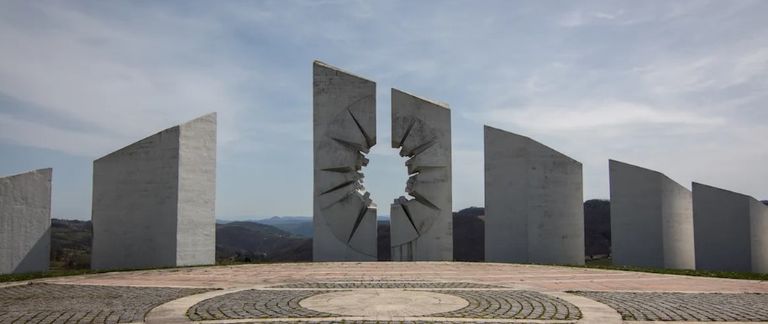
A grand Yugoslav memorial to the group of partisans who fought and died resisting western Serbia’s Nazi occupation. The city of Užice, in western Serbia, was the first region to win its independence from World War II-era Nazi occupation. In late 1941 partisans recaptured the city from the Germans, and declared the city and its surroundings the "Republic of Užice"—but it would be short lived.
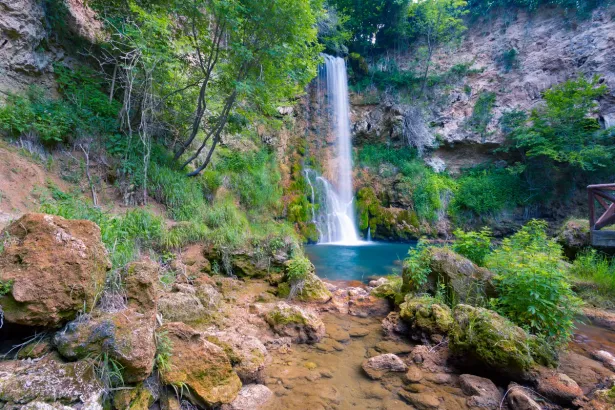
The waterfall originates from a small river named Vrelo, the right tributary of the Resava river. It's located at more than 1,000 feet (380 meters) above sea level and is 82 feet (25 meters) tall. The waterfall is one of the largest in all of Serbia and was formed due to natural sinter (tufa) accumulation. A shallow pond with crystal clear turquoise water forms at the foot of the falls, surrounded by tufa blocks.
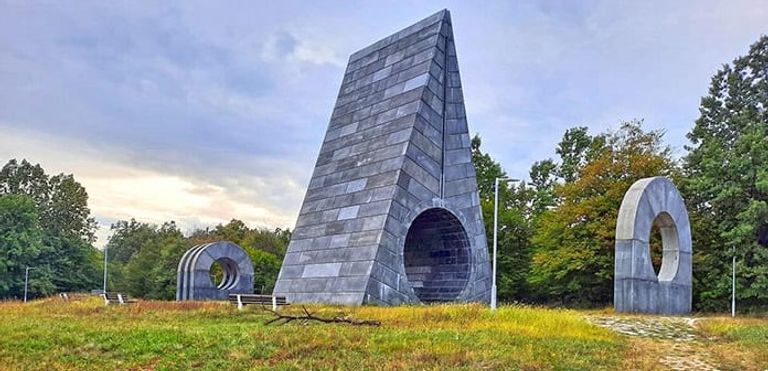
Serbia's master of striking memorials erected a forgotten, hidden gem in the hills outside a tiny village. Dedicated to the fighters of WWII's Trstenik's NOP Detachment and the troops of the Kraljevačkog Detachment, Popina Memorial Park consists of a series of giant stones – some shaped like pyramids, others like smooth arches – all with holes seemingly blasted through their centers.
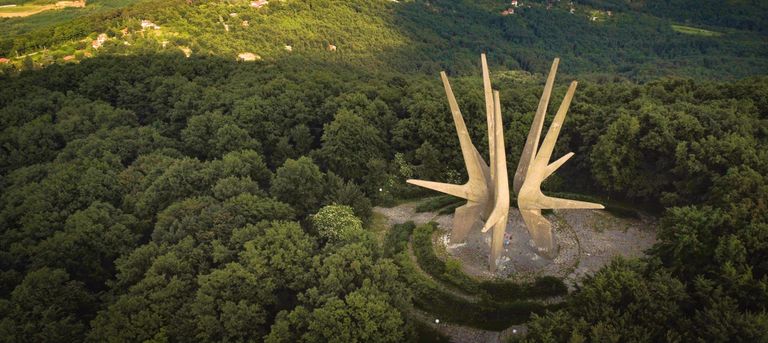
This spaceship-like Serbian monument reaches for the stars in celebration of the fallen fighters of fascism. The Kosmaj Monument (Kosmaj Spomenik in Serbian), is made of several freestanding concrete structures, each roughly 40 meters high, that taken together look a bit like a spaceship sent through time from a future envisioned in the 1970s.
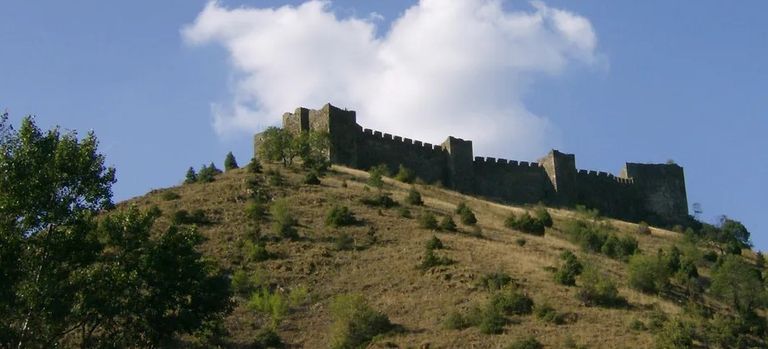
The ruins of this medieval castle on a foggy hill tell the story of a once-mighty empire. Maglič is a 13th century medieval castle near Kraljevo, Serbia. It's located on a hilltop surrounded by the curvy Ibar river. The name Maglič is said to come from the Serbian word magla meaning fog, as the hill underneath often disappears in the mist.
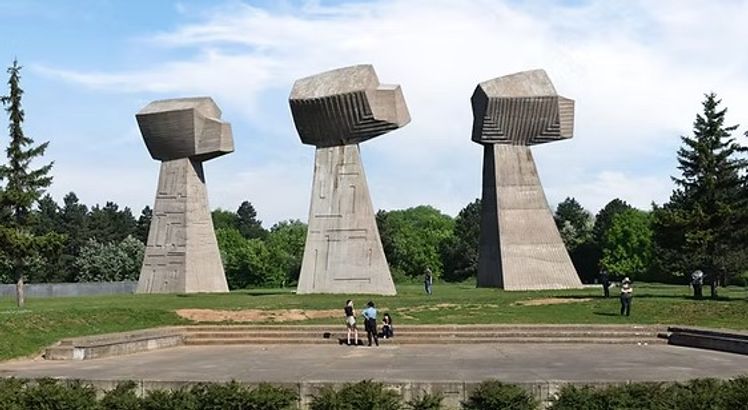
This memorial park stands on the site of one of the largest mass executions of the Second World War. Bubanj Memorial Park marks and honors the location of one of the most horrific mass executions of the entire war, where more thаn 10,000 Serbs were taken prisoner, gathered and unceremoniously shot by invading German forces. Estimates of the brutal event’s toll range between ten and twelve thousand lives lost to the execution
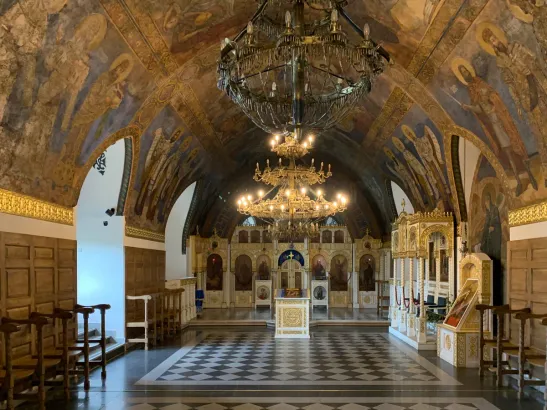
Lighting the frescoed walls of Ružica Church, a small chapel tucked into the side of the Serbian Kalemegdan fortress, are two chandeliers made entirely of spent bullet casing, swords, and cannon parts. It is a more fitting decoration than one might realize.
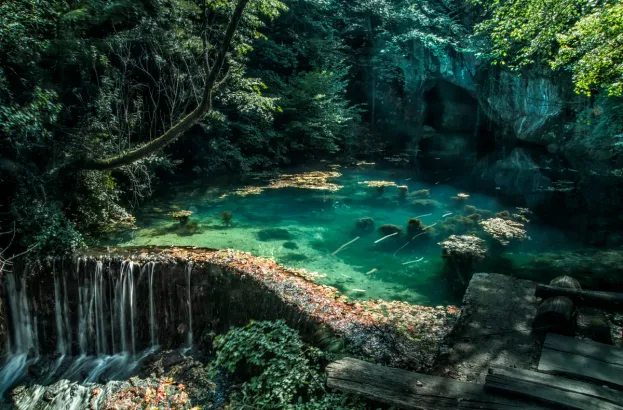
The spring is not only a source of Vlach myths and legends. It's also an ecological oasis. The hypnotizing turquoise water is surrounded by plants, their branches descending into the cold water like the arms of great forest guardians. Above the lake rises a picturesque cave, fulfilling the fairy tale-like backdrop.

Known to the Romans as Felix Romuliana, Gamzigrad is a 3rd century Roman compound with plenty to offer in the modern age. Temples, palaces and incredible art abound, with the Grand Temple standing tall above them all. Gamzigrad is one of the Seven Wonders of Construction, and for good reason. Its place in the best attractions in the country almost goes without saying.
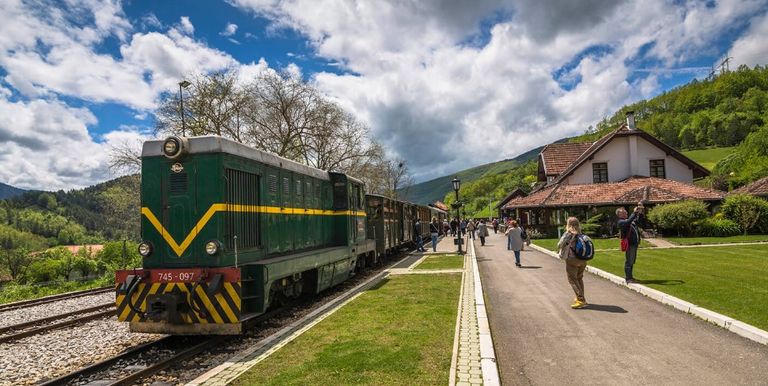
An adorable little railway near Mokra Gora, the Šargain Eight route is another Serbian sight that owes its fame to Emir Kusturica. From the air the tracks resemble a figure eight, but it is obviously quite difficult to tell this from the ground. It shouldn’t dampen your enjoyment of the run however, a nod to a simpler time in the most tranquil of settings.
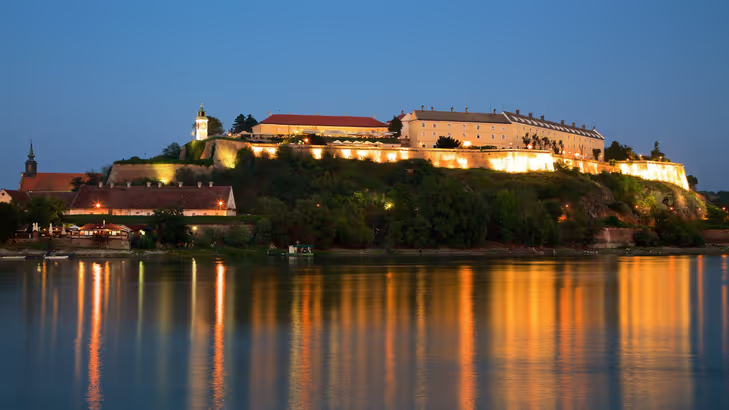
Novi Sad is a wonderful city in its own right, and its most impressive sight comes with great views of the Serbian Athens. Petrovaradin Fortress looks out over the town and the Danube, providing the most romantic dinner spot in all of Vojvodina. The fortress becomes a massive party in the summer thanks to the famous EXIT Festival, but its charms are best experienced sober and in peace.
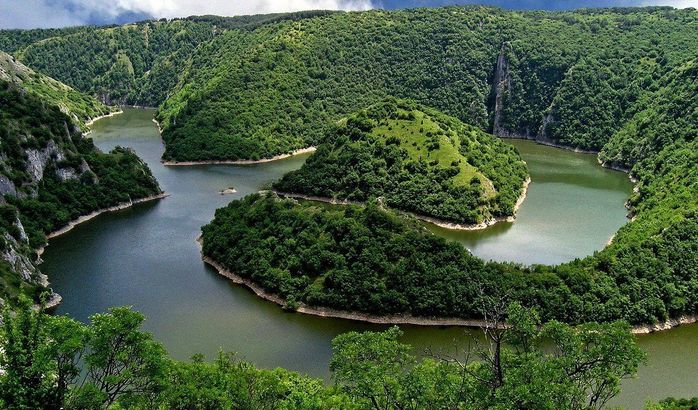
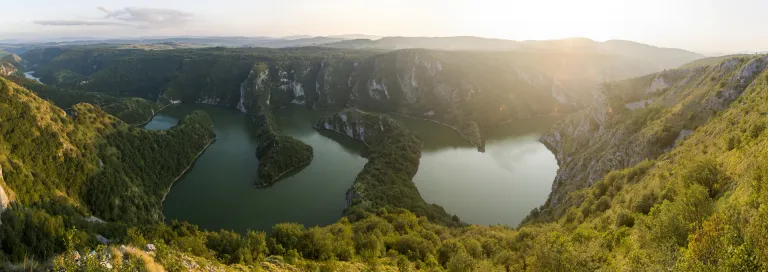
Serbia is full of gorgeous nature that impresses as much as it delights, and no spot marries the two of those reactions quite as well as Uvac Canyon. The meanders are as dramatic as river bends are going to get, seemingly conceived by someone with an overexcitable imagination and a liberal interpretation of the word ‘bend’. Add jagged cliffs, wild fauna and the immense power of the Drina river, and you have the wonderful Uvac Canyon.
More of a river than a gorge, the Đerdap Gorge is often described as a ‘border designed by a deity’ and that doesn’t really do it justice. Water absolutely dominates the image, bordered by two dramatic cliff faces that seem to be immensely foreboding, but are home to many sights and sounds themselves. It is sometimes referred to as the Iron Gate, which is a little easier to pronounce than Đerdap.
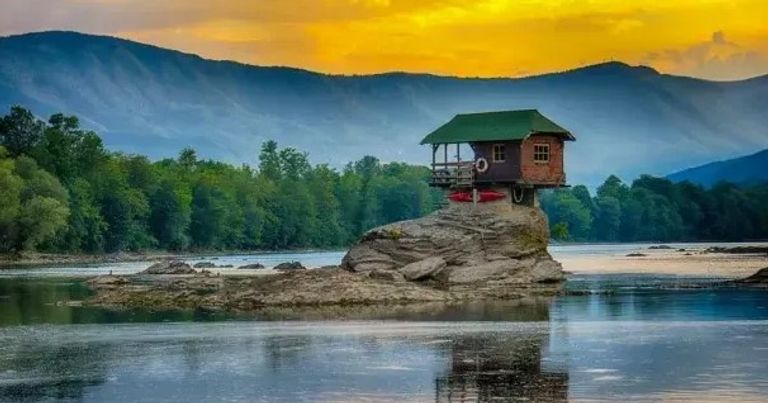
The house sprung up in 1969 when a group of swimmers wanted a more comfortable spot to rest, adding another attraction to the might of the Drina river. Images don’t come more adorable than the little House on the Drina.
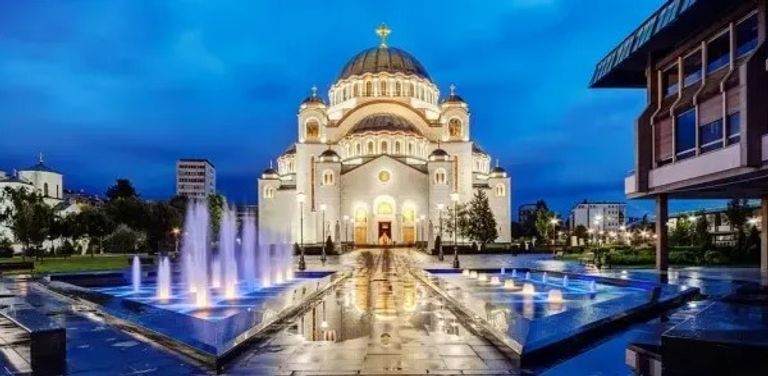
This is true in both a literal and figurative sense, as the monolithic building dominates the city landscape. Built on the spot where St. Sava’s relics were burnt by the occupying Ottomans, the gigantic church is every bit as imposing as a house of God should be.
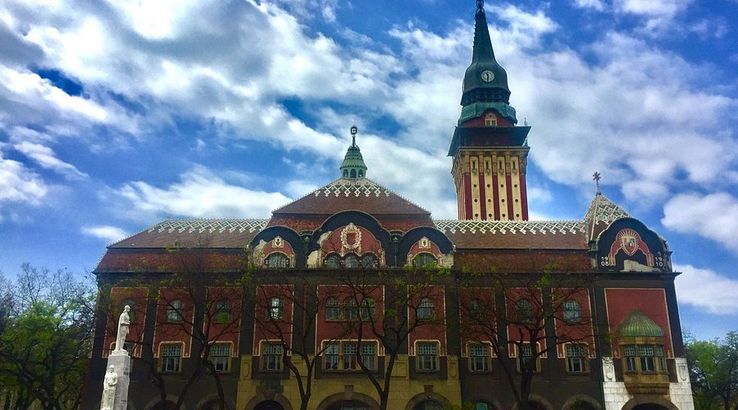
Lying on the River Danube banks, Novi Sad is a bustling city that is considered the economic center of Vojvodina and one of the best places to see in Serbia. It is situated on the southern portion of Pannonian Plain on the Stem and Baka geographical regions' border. Novi Sad is a dreamy city with fragrance-filled lavender fields, plain tree-lined roads, and brilliantly blue skies.
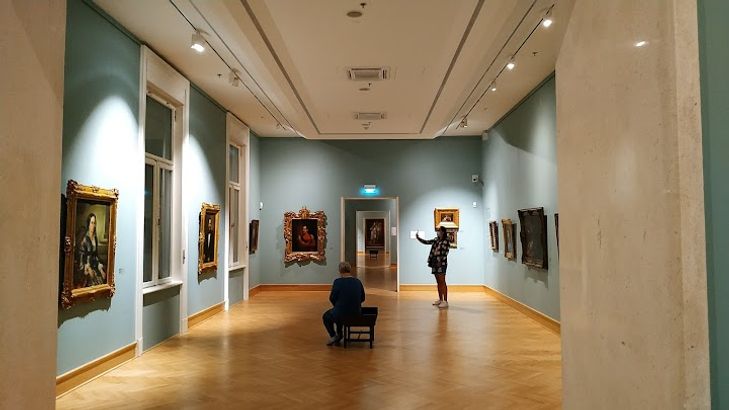
The National Museum of Serbia in Belgrade is the country’s largest and oldest museum, showcasing a vast collection of art, archaeology, and historical artifacts. Its exhibits span from prehistoric times to modern art, featuring works by Serbian and international artists, including masterpieces by Paja Jovanović and Uroš Predić.
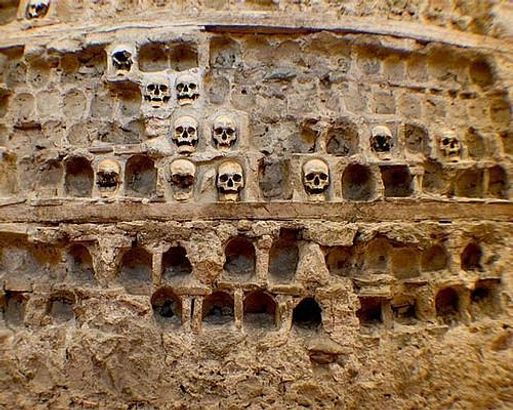
The Skull Tower (Ćele Kula) in Serbia is a unique historical monument in Niš, built from the skulls of Serbian rebels who fought against the Ottoman Empire in 1809. It stands as a powerful symbol of resistance and sacrifice, attracting visitors interested in Serbia’s history and struggle for independence.
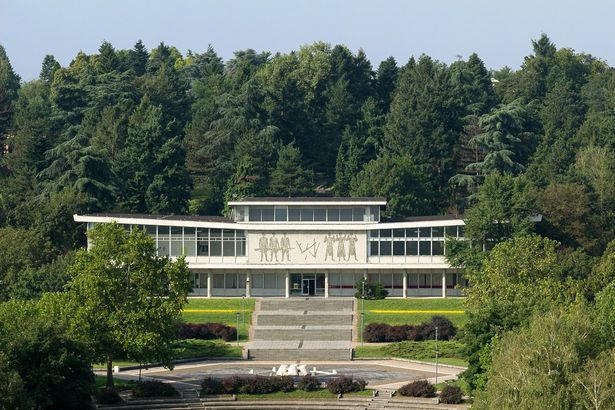
The Museum of Yugoslavia in Belgrade is a cultural and historical museum dedicated to the legacy of Yugoslavia. It features artifacts, photographs, and exhibitions that explore the country’s history, its leaders, and the everyday life of its people. The museum also includes the House of Flowers, the final resting place of Josip Broz Tito.