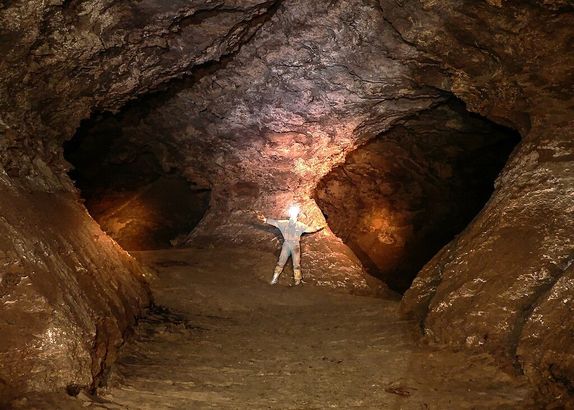
Emil Racoviţă Cave is one of the largest and most famous caves in Europe. It is located in the Criva region and is famous for its impressive stalactites and stalagmites. The cave was named after the famous Romanian speleologist and explorer Emil Racoviţă. The cave was opened to the scientific community in 1959 and is still being studied by speleologists from all over the world.
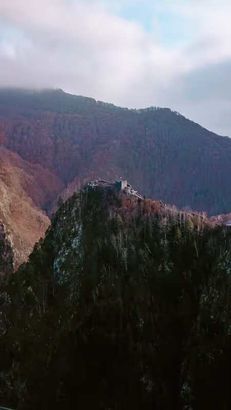
Poenari Citadel (or Poenari Castle) is one of the most well-known places in Romania, as it was home to the famous Vlad the Impaler. Vlad the Impaler was an important prince of Wallachia and is recognised as a national hero of Romania. However, he was best known for his cruelty and wickedness when it came to punishing his enemies.
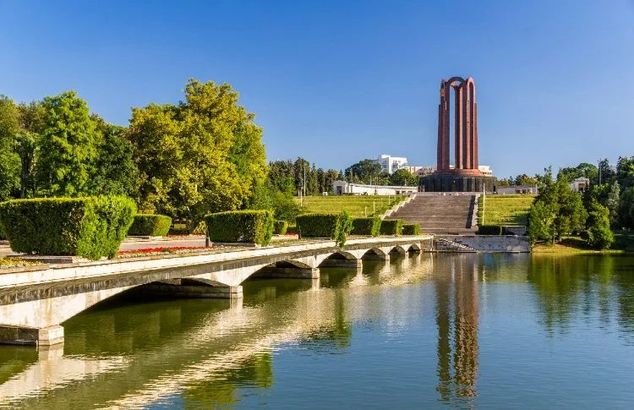
The Bucharest Tomb of the Unknown Soldier (Mormantul Soldatului Necunoscut) is a national Romanian monument built in 1923 to commemorate the soldiers who died for the country during World War One. In 1923, it was decided to choose one of the fallen soldiers to represent all of those who had sacrificed their lives during war.
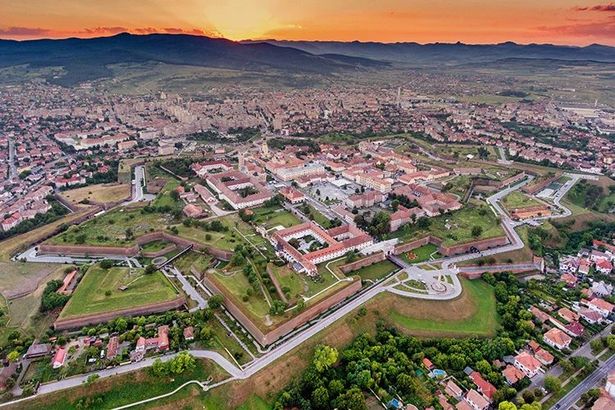
The Alba Iulia Fortress is a massive 18th century fortification which forms the heart of the Romanian city of Alba Iulia. Alba Iulia itself is one of the oldest cities in Romania, with a history stretching far back into antiquity. During Roman times it was an important regional centre known as Apulum.
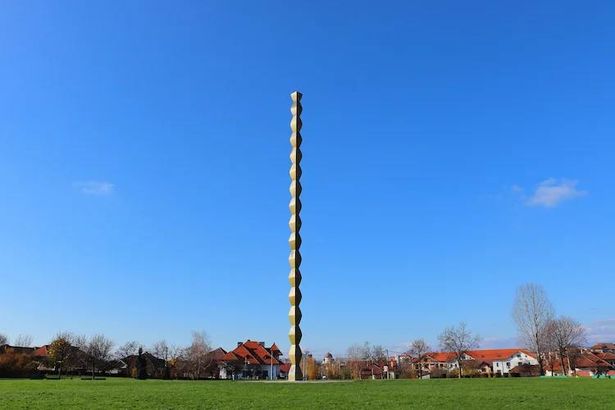
The Endless Column Complex is a set of three sculptures commemorating Romania’s war heroes from World War One. It is comprised of the striking 30 metre-high Endless Column, the Table of Silence and the Gate of the Kiss. The work of Constantin Brâncuși (1876-1957), the ensemble is considered to be a masterpiece of art and engineering and is hailed as one of the great works of 20th century sculpture.
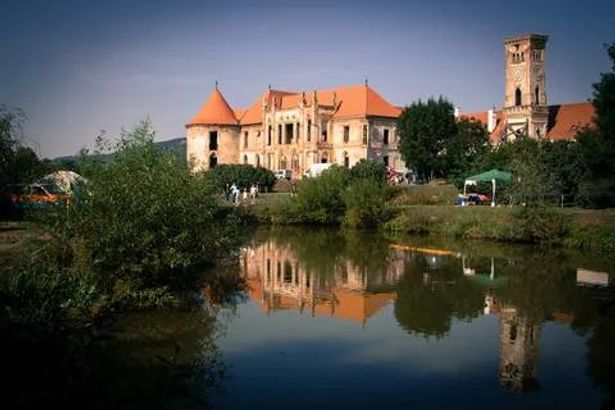
Bánffy Castle has many architectural features including Renaissance, Baroque, Neoclassical and Gothic styles. The castle has undergone many different construction phases and is owned by the Banffy family. Between the years 1437 and 1543, the Banffy family built this castle and lived here up until 1944. At this point, they were evacuated by the Germans who turned it into a military hospital.
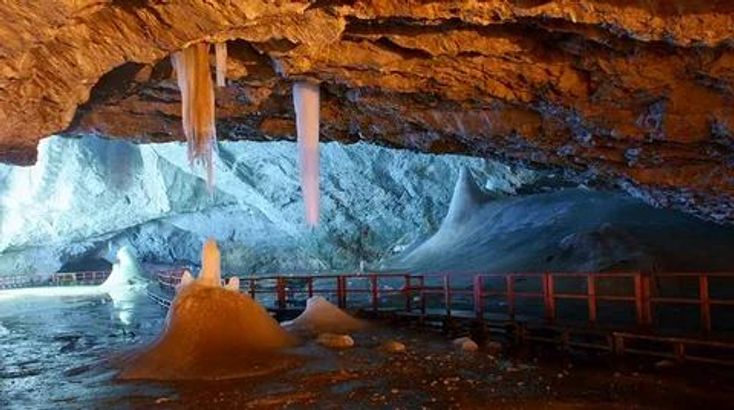
Scărişoara Ice Cave is home to the biggest underground glacier in Romania and the second biggest in Southeastern Europe. It’s considered to be one of the natural wonders in Romania and was first mentioned in 1863 by Austrian Geographer Arnold Schmidl. The Scărişoara Ice Cave is estimated to have formed around 3,500 years ago when this area was covered by glaciers.

Salina Turda is the world’s most spectacular underground formation that has been shaped by people. It is one of the most popular tourist attractions in Romania, and upon entering it isn’t hard to see why. It’s thought that salt was first extracted here during the Middle Ages from 1075 to the early 20th century.
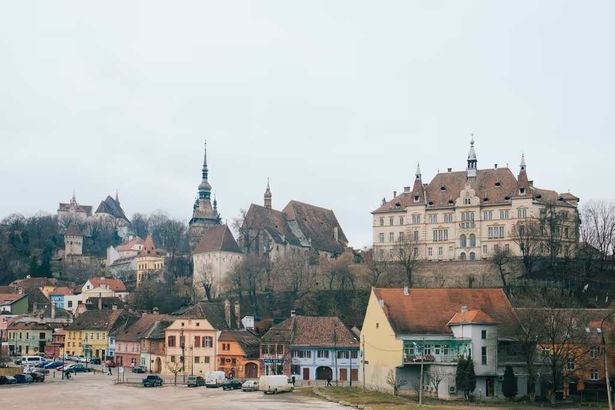
Sighişoara Citadel is the only inhabited medieval fortress in Southeast Europe, and is part of the UNESCO World Heritage Site ‘the Historic centre of Sighişoara’. It’s one of only seven Saxon walled cities in Romania, which were all built at a similar time during the 12th century.
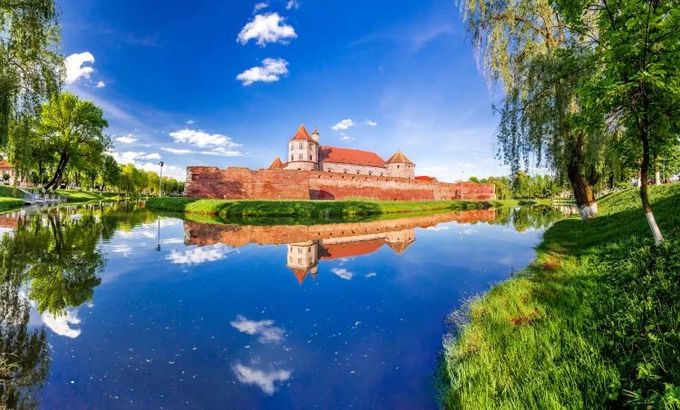
The fortress was built in 1310 on the site of a 12th century wooden fortress which was burnt by the Tartars in 1241. It was later enlarged between the 15th and 17th centuries to create a square castle surrounded by a further thick curtain wall with five towers. After this, it was considered to be one of the strongest fortifications in Transylvania.
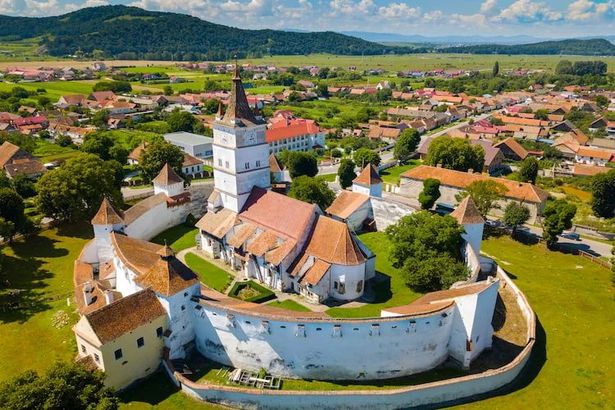
Built from 1212, Prejmer Fortified Church was a construction of the Roman Catholic Teutonic knights. With its thick circular walls rising 40 feet, advanced weaponry and underground passageways, the church was heavily defended, demonstrating the turbulent nature of the region at the time.
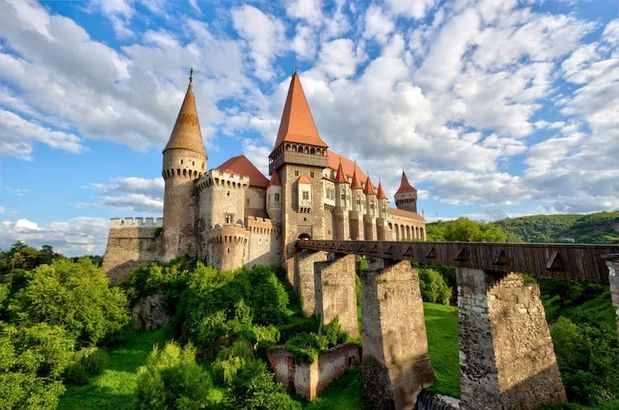
Hunedoara Castle, also known as Corvin Castle or ‘Corvinesti’, in Hunedoara in Romania, is one of Europe’s largest castles. Originally a fortress, it was used as a royal stronghold until 1440. Hunedoara Castle was later renovated and expanded by the General Iancu de Hunedoara, who turned it into an impressive castle with a series of towers and turrets.
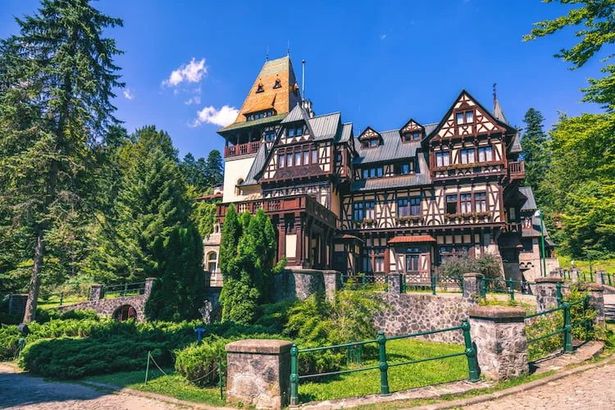
The palace was constructed between 1899 and 1903 by order of King Carol I, who wanted a home for his nephew, the future King Ferdinand. It is located near the far larger Peles Castle. Though it was designed by the Czech architect Karel Liman, Ferdinand’s wife – Queen Marie – is said to have played an important role in styling the Art Nouveux interior.

Commanding a strategic crossroads for hundreds of years, Bran Castle in Romania is an impressive medieval fortification and popular tourist attraction. Famously known as Dracula’s Castle, Bran in fact has little or no link to any of the legends surrounding the fictional vampire or even the genuine figure of Vlad the Impaler, on who the character is loosely based.
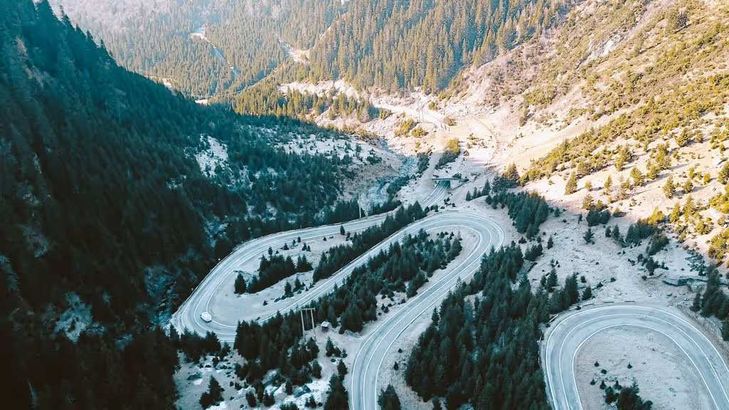
The highway was built in the early 1970s as a strategic route to cross the Fagara Mountains if Romania were to be invaded by the USSR. Transfăgărășan highway is over 150km in length, and its highest point is at 2,042m so as you can imagine the views are spectacular.
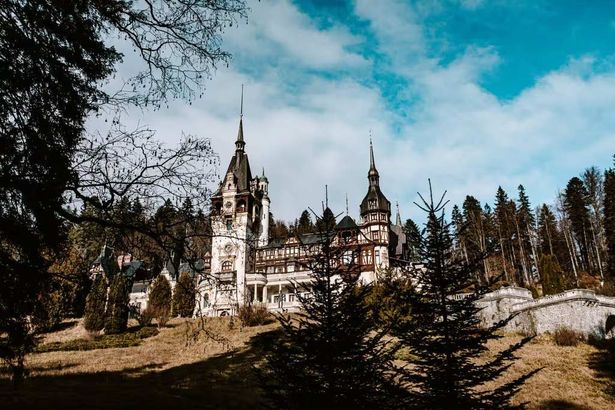
Peles Castle is located in the charming town of Sinaia, nestled at the foot of the Bucegi Mountains. It’s a Neo-Renaissance castle with intricate and wonderful architecture and is recognised by many as one of the most beautiful castles in Europe. Peles Castle was commissioned by King Carol I in 1873, and after it was built served as the summer residence of the royal family until 1947.
That's all