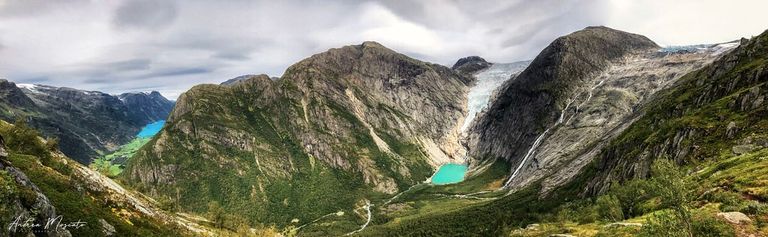
The Jostedalsbreen glacier is the largest ice cap in mainland Europe’s and the largest white area you willl find on the map of Norway! Glaciers make up nearly half of the national park's area, which is otherwise characterised by lush, narrow valleys and cascading waterfalls and rivers.
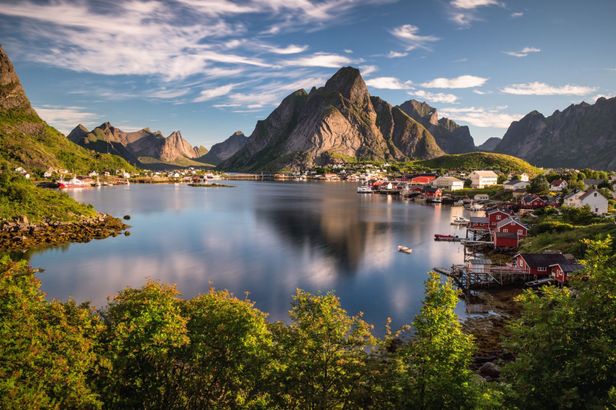
Lofoten is a place of contrasts. It’s a natural wonder with thriving local communities. It’s where mountains meet the sea, and where local businesses meet recreation. Lofoten’s distinctive magic lies in its ability to bring together everyday local life with a global interest in its natural beauty.
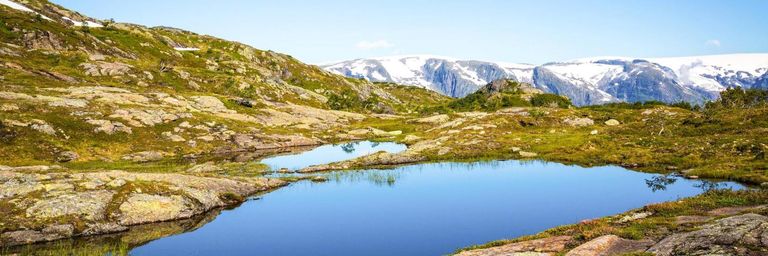
Folgefonna National Park, located on the southern shore of the picturesque Hardangerfjord in Hordaland County, boasts one of Norway's largest glaciers. Folgefonna, the third largest glacier on mainland Norway, is the heart of the national park. Exotic and spectacular, this magnificent glacier has been attracting tourists since 1833. There are glacial tongues and icefalls, wild valleys, rushing rivers with meltwater and picturesque summer pastures.
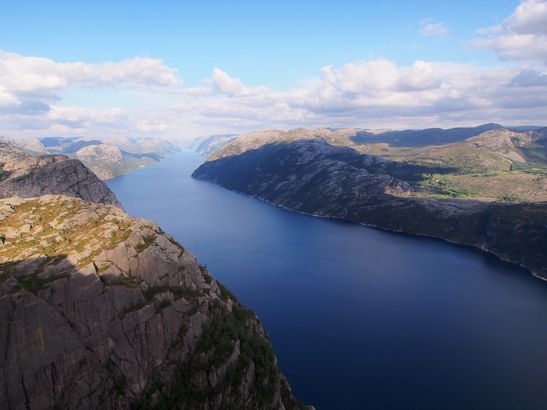
Lysefjord is a fjord in Norway, located in the Vestland region in the Rogaland valley near Stavanger. Due to its accessibility, the undisputed entertainment is included in the entertainment and educational values in the number of the most famous tourist sites in Norway. Here, since the end of the 20th century, a new type of parachute sport has become widespread - base jumping, economical, much more accessible than classic parachuting using aircraft. A popular place among hikers and tourists.
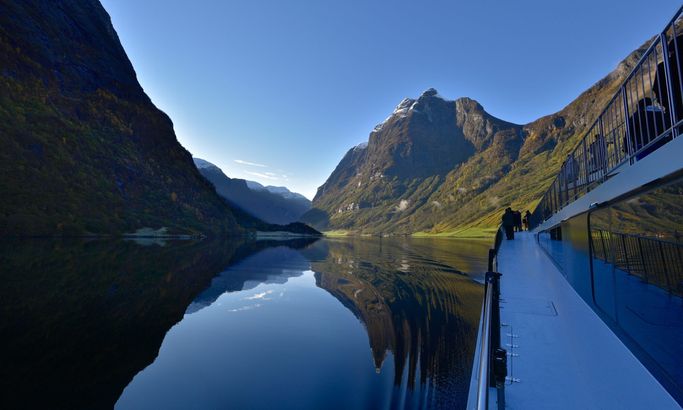
Nærøyfjord and Aurlandsfjord are two southern arms of the largest Sognefjord in Europe. They have been repeatedly recognized as the most beautiful and unchanging fjords in the world by tourism publications and famous travelers. The nature here truly makes a stunning impression on a person! In 2005, Nærøyfjord was included in the UNESCO list, the National Geographic Society gave it first place in the UNESCO conservation ranking.

Treriksröset is the point where Norway, Sweden and Finland meet, located in the far north of Swedish Lapland. The point is located in the middle of a lake and can only be reached on foot and by boat. The surrounding nature, in the Malla Nature Reserve, is breathtaking. Treriksröset is also the northernmost point of Sweden.
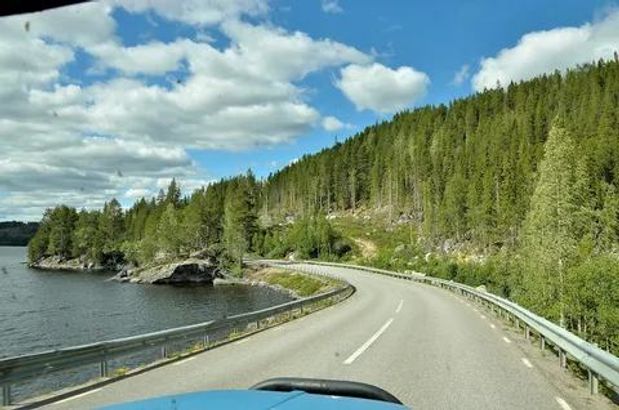
One of the most beautiful roads in Sweden is the Vildmarksvägen. This ‘Wilderness Road of Sweden’ starts in Jämtland and ends in Swedish Lapland and takes you over the special Stekenjokk plateau and via the Norwegian border through the wilderness. The road is paved everywhere and in good condition, but only open from mid-June to early October.
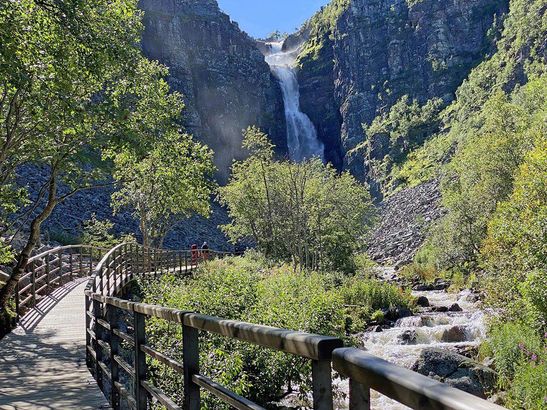
One of the most beautiful national parks that you can easily visit is Fulufjället National Park. With the highest waterfall in Sweden and the oldest tree in the world, Fulufjället is a real attraction for travelers visiting the province of Dalarna.
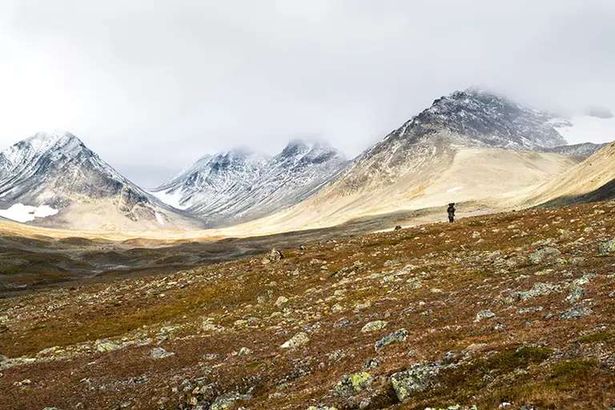
One of Europe's last true wilderness areas stretches across Sarek National Park, where six peaks over 6,500 feet (2,000 meters) create a jaw-dropping landscape unmarked by trails or tourist facilities. The park has over 100 glaciers that feed rivers that snake through U-shaped valleys.
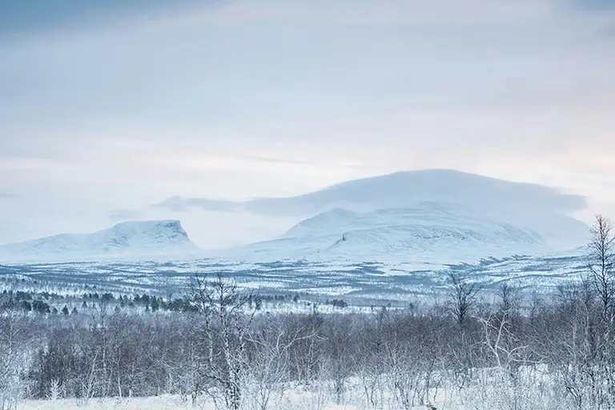
Sweden’s premier destination for viewing the Northern Lights sits 195 miles (315 kilometers) north of the Arctic Circle, where pristine wilderness stretches beneath some of Europe’s clearest skies. This slice of Swedish Lapland ranks among the best sights in Sweden for its unique microclimate, which creates a “blue hole”, a patch of sky that remains clear even when surrounding areas are cloudy.
That's all