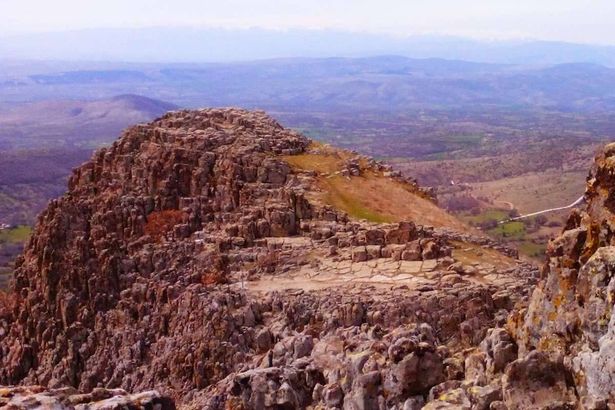
Kokino is a famous ancient observatory dating back to about three and a half thousand years ago. The observatory's structure is made of metal and dates back to the distant Iron Age. Remains of stone blocks with notches made on them, with the help of which ancient astrologers observed the movement of the Sun, Moon and stars, have survived to this day.
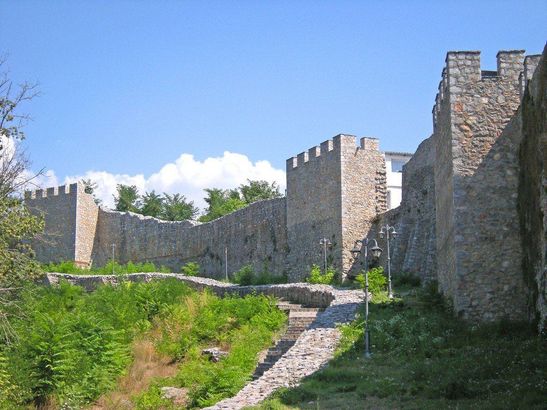
This ancient fortification is the pearl of the city of Ohrid. The length of the fortress is 3 km of stone wall 16 meters high and about 2 meters thick. The fortress was founded by the Bulgarian Tsar Samuil in the 4th century for defensive purposes during the war with the Turks and managed to save the city from the conquerors, surviving to this day almost in its original form.
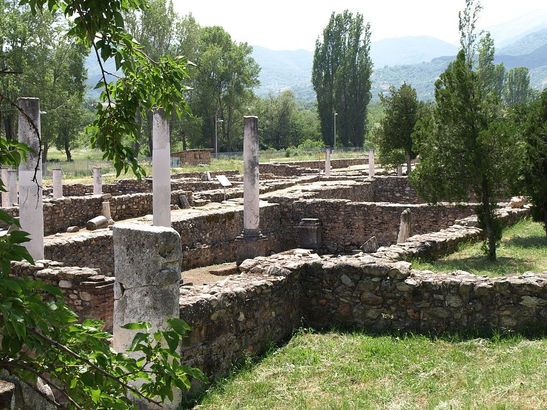
The city was founded in the distant 4th century BC by Philip of Macedon, the ruler of the Roman Empire, father of Alexander the Great, in honor of the victory over the Turks. The city was named after its patron, the ancient Greek hero Hercules. The most valuable of the surviving ruins are the ancient basilicas - floors made of small mosaic tiles, which have not lost their colors to this day.
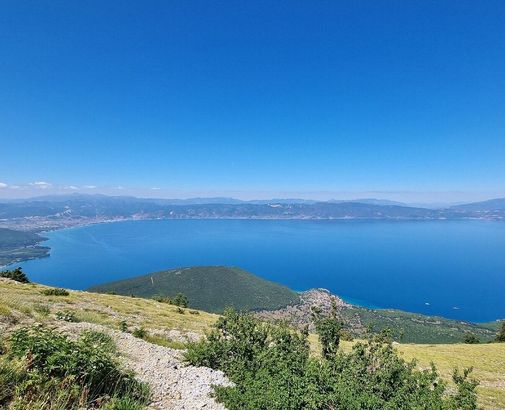
The park is a stunningly picturesque valley and mountain Galicica, located between Ohrid and Prespa lakes. The top of the mountain, Magaro, rises 2 km above sea level, so that all of Ohrid can be seen from it as if in the palm of your hand. A trip to the national park is perfect for lovers of active recreation in nature: here you can ride bicycles, go hiking in the mountains or enjoy canoeing in the crystal clear waters of Lake Ohrid.
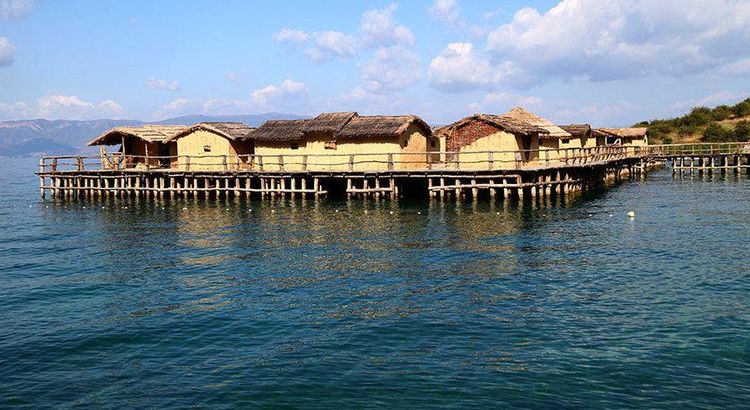
This open-air museum is also located on the eastern shore of Lake Ohrid, so you can include it in a comprehensive overview of Ohrid. In 2007, during another archaeological survey, the remains of an ancient Slavic settlement were discovered at the bottom of Lake Ohrid, which can be seen in the photo of the results of the dive. The complex received its name due to the many bones of livestock that were found in the excavation area.
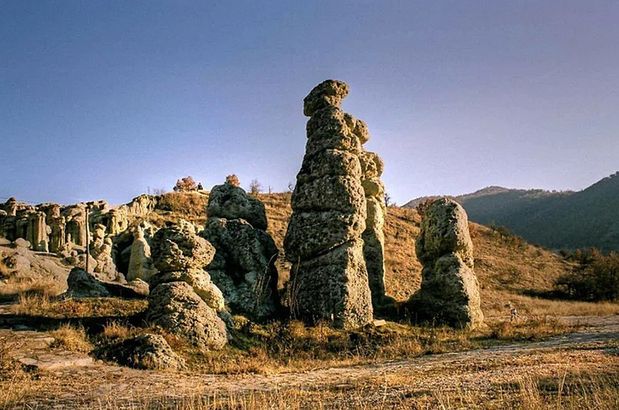
Macedonia's tourist attractions are unimaginable without the stone city of Kukljica. This is a natural curiosity - stone blocks in the north of the country that have been subject to erosion for centuries. As a result, the stones began to look like bizarre dolls, for which the valley got its name.
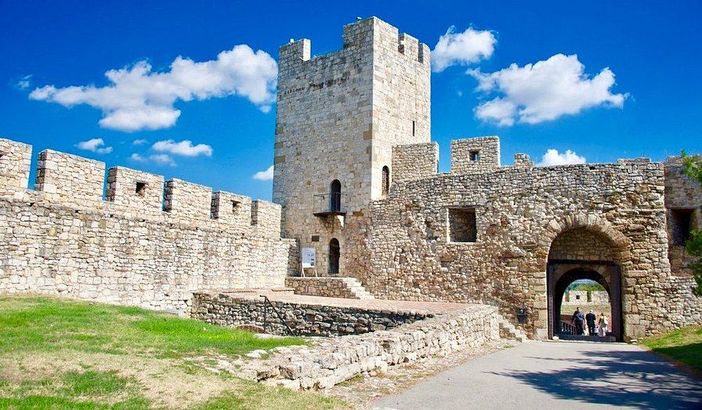
The first settlements of the southern Slavs were discovered exactly at the site of the fortress's construction in the 4th century BC, then in the 6th century the fortress was destroyed during the war with Turkey and then rebuilt again during the Byzantine Empire. The best hotels in Skopje are also located near the fortress, so you have the opportunity to comfortably settle down near the landmark to devote several days to the excursion.
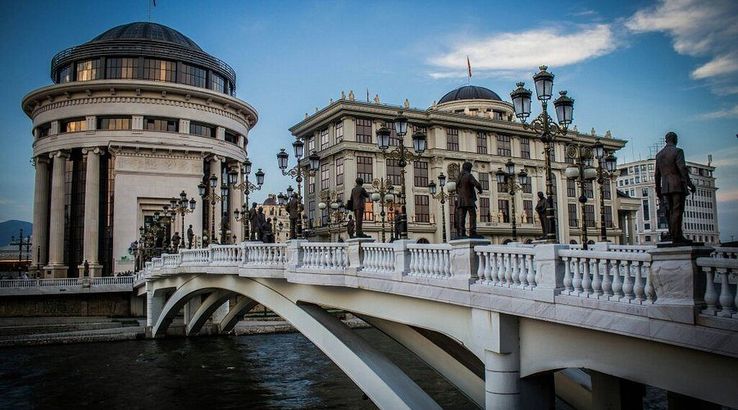
The city of Skopje is located on both banks of the Vardar, across the river in the Middle Ages 9 bridges were built. The central place is given to the Stone Bridge. This 16-meter-high structure consists of monolithic stone blocks, each weighing 15 tons
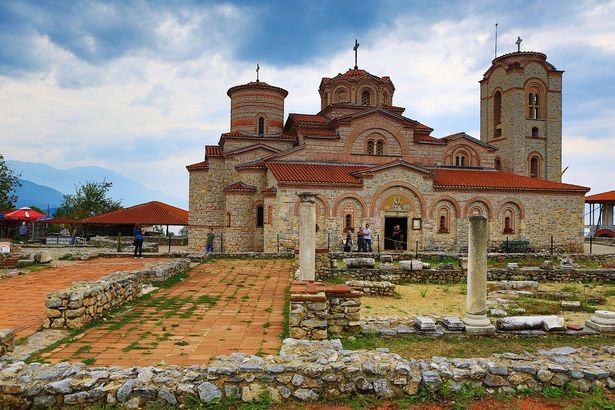
The place is famous for the Church of St. Panteleimon, which was restored exactly according to the prototype of antique drawings, as well as the ancient building of the first university of the ancient Slavs. If you plan to visit Lake Ohrid, do not be lazy to take a look at the eastern coast: here you will find a lot of interesting places that will tell you about the history of the state.
That's all