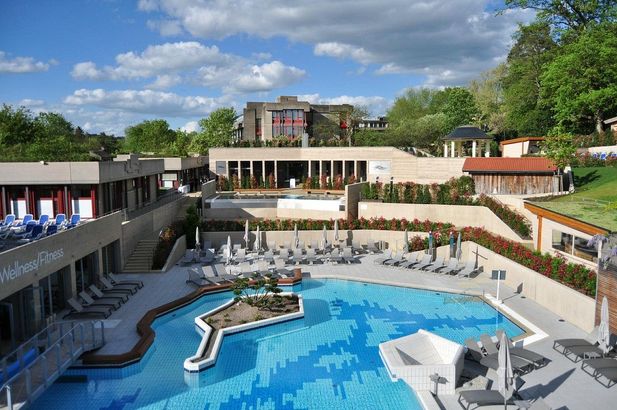
There is a mild climate, thermal waters with a temperature of 25 degrees, helping in the treatment of rheumatism and a number of diseases. A swimming pool with hot water and many places to sit and relax. A sauna garden with many saunas inside and outside. A modern gym before relaxing in the hot heated outdoor pool, sauna, jacuzzi and hammam. In addition, you can eat barbecue with some fresh cocktails
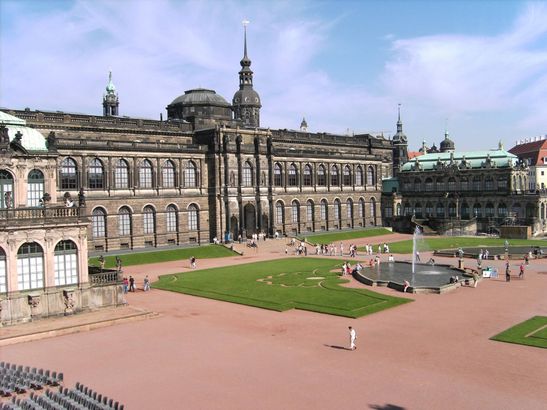
Old masters are usually considered to be Western European artists who lived and worked before the 18th century. The Dresden Gallery displays 750 works by artists and sculptors of this period. The collection was assembled by German rulers, in particular, the Saxon Electors Augustus II and Augustus III played a major role. The gallery is located in the Zwinger, a grand palace complex built in the Renaissance and late Baroque styles.
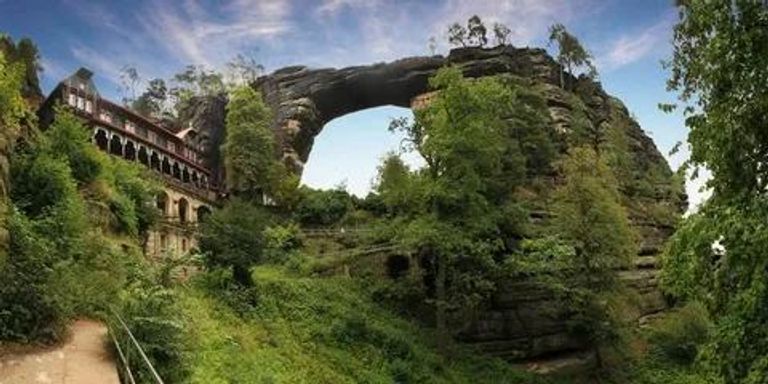
Bohemian Switzerland is a truly staggering natural landmark. The landscape covers 700 square kilometres (270 square miles), making it one of Europe’s largest national parks and wildernesses. The park was founded in 2000 and aims to preserve the natural sandstone rock formations dotted across the landscape and the rare flora and fauna growing there.

The Castle Gardens of Arcen are in the village of Arcen and offers 32 hectares filled with incredible landscaped gardens, parkland and a 17th-century castle. The garden is split into many smaller themed gardens, including a mountain garden with rock formations and waterfalls, and Mediterranean Casa Verde which houses the country’s oldest fig tree.
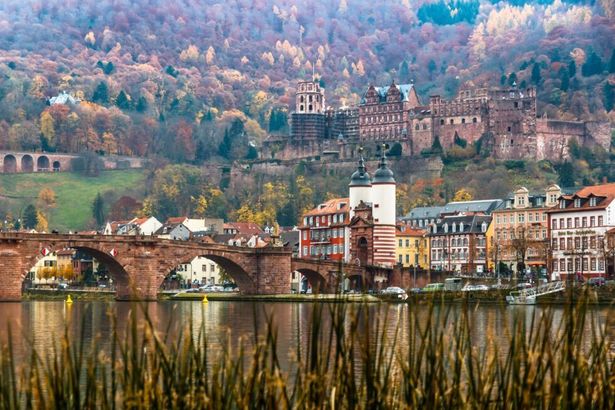
Heidelberg is one of the most romantic cities in Germany, thanks to its picturesque riverside location, its beautiful old buildings and bridges, and the castle ruins that overlook the town center. Heidelberg Castle bears witness to centuries of history and turmoil. Founded in the 13th century, this famous landmark in Germany served as the residence of the Palatinate electors until lightning struck and destroyed much of it in 1764.
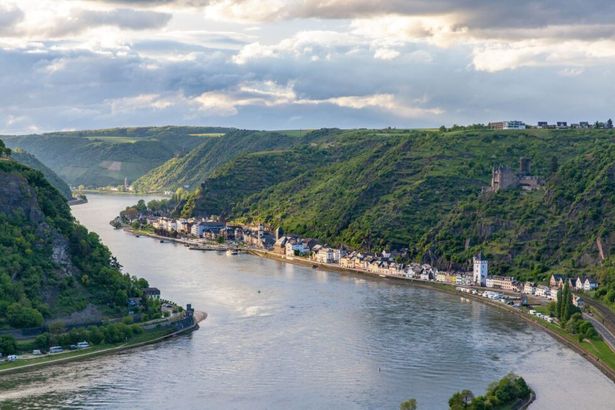
The Rhine Valley, a UNESCO World Heritage Site, encompasses beautiful landscapes, historic towns and renowned vineyards along the Rhine River. Its picturesque scenery features rolling hills, terraced vineyards and medieval castles perched atop cliffs, making it one of the most stunning natural landmarks in Germany. The valley’s charming villages, such as Bacharach and Rüdesheim, showcase Germany’s cultural heritage with half-timbered houses and cobblestone streets.

The Black Forest, or Schwarzwald, is one of Germany’s most famous natural landmarks, located in the southwest. Renowned for its dense forests, villages with half-timbered houses and sensational natural beauty, the Black Forest is also the birthplace of the cuckoo clock, and known for local delicacies like Black Forest ham and cherry cake.
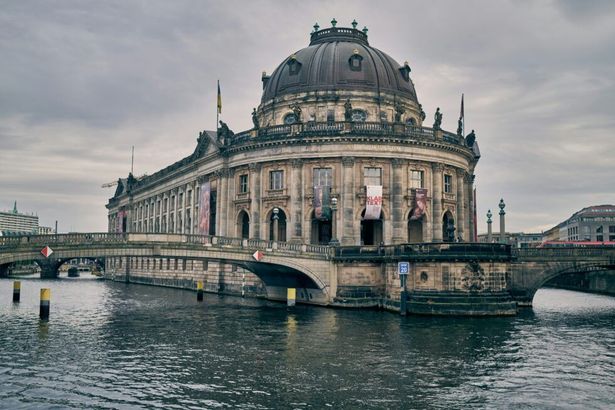
Museum Island, an ensemble of five museums on an island in the River Spree, is one of the highlights of European cultural tourism. A UNESCO World Heritage Site, it is renowned for its exceptional concentration of art museums and cultural institutions. In fact the island is home to five world-class museums: the Altes Museum, Neues Museum, Alte Nationalgalerie, Bode Museum and Pergamon Museum.
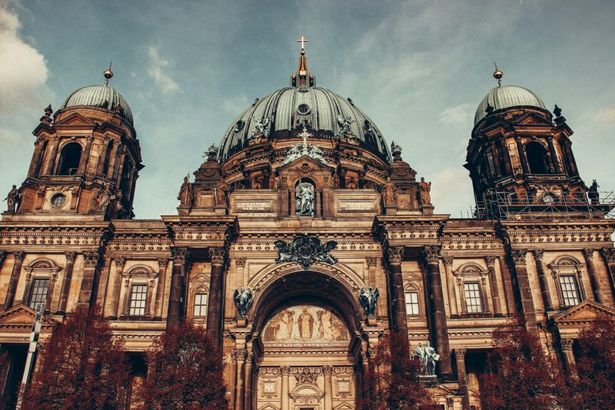
Berlin Cathedral, also known as the Berliner Dom, boasts a stunning neobaroque design and a commanding presence along the city’s skyline. Construction began in 1894 under Emperor Wilhelm II, aiming to rival St. Peter’s Basilica in Rome. With its elaborate decorative and ornamental designs, the church interior is especially worth seeing.
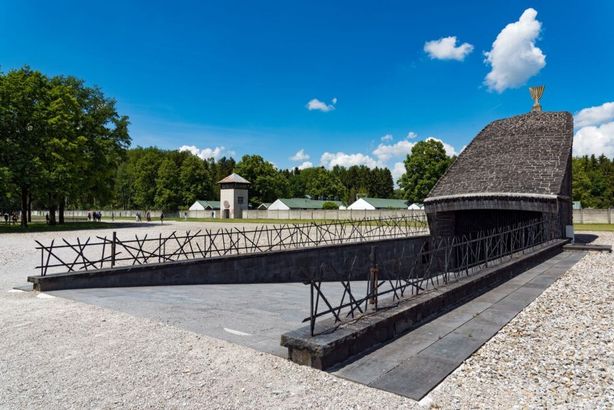
A sobering reminder of the atrocities of World War II, this former concentration camp near Munich serves as a memorial and museum honoring the victims of the Holocaust. A deeply moving landmark in Germany, Dachau was one of the first concentration camps established by the Nazis in 1933. Initially intended to detain political prisoners, it later became a model for other camps in the Third Reich.
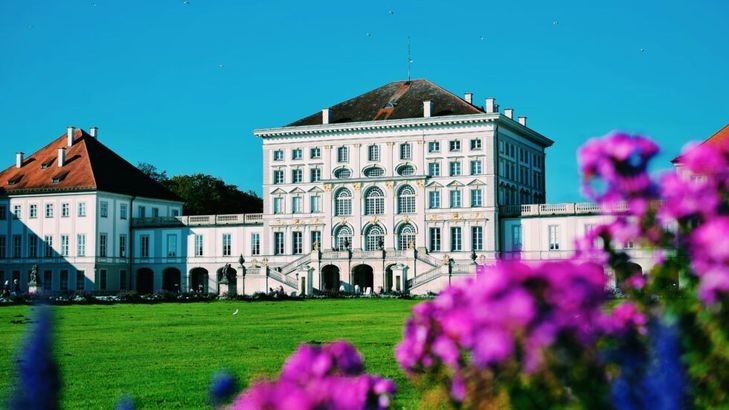
Munich’s magnificent Baroque palace is one fo the most stunning landmarks in Germany. Begun in 1664, most of Nymphenburg Palace was complete by 1679, but would later be added to significantly by Max Emanuel himself as well as by later rulers.
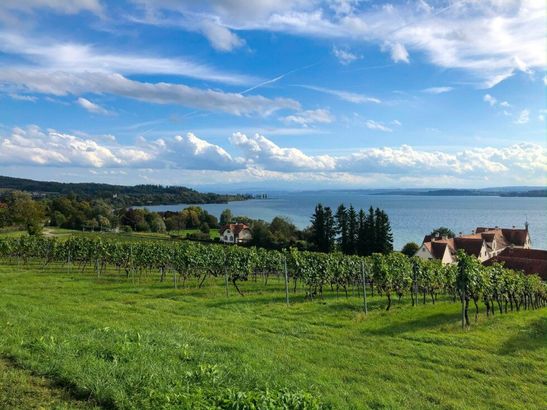
Lake Constance, located in southern Germany, is one of the largest freshwater lakes in Europe, spanning approximately 63 km long and 14 km wide. Its pristine waters are fed by the Rhine River with stunning surrounds, including vineyards, orchards and charming medieval towns. A popular destination for outdoor activities including hiking, cycling, and water sports.

A showcase of art, history and freedom, The East Side Gallery stretches along a remaining section of the Berlin Wall. This open-air gallery is home to over 100 murals created by artists from around the world. The gallery emerged in 1990 as a symbol of hope and unity following the fall of the Berlin Wall, transforming a once-divisive barrier into a canvas for artistic expression.
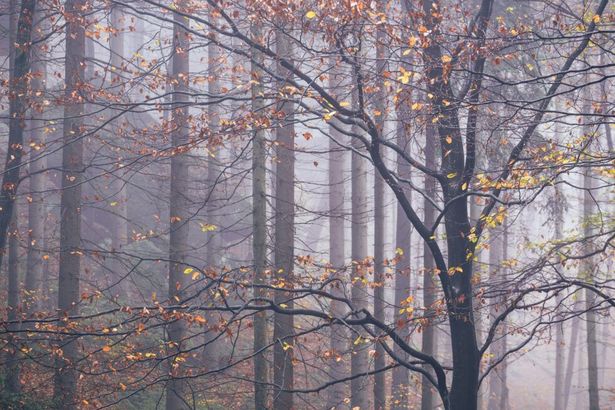
The Saxon Switzerland National Park, located in the eastern part of Germany, is a stunning landscape of rugged sandstone formations, lush forests and picturesque river valleys. Spanning over 93 square kilometers along the Elbe River, visitors can explore the park’s numerous trails and unique rock formations.
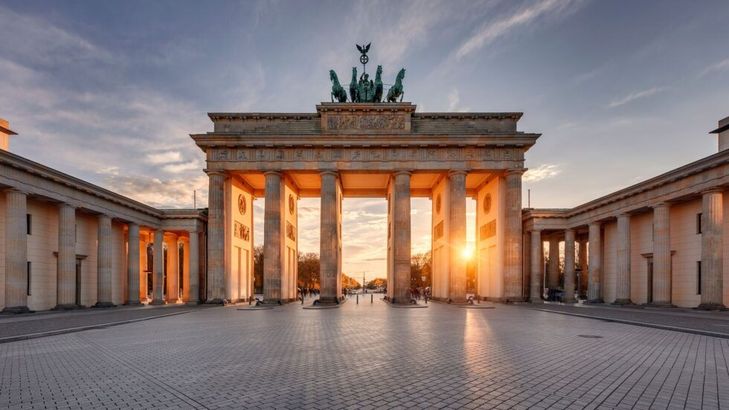
Symbolizing unity and peace, this iconic monument in Berlin played a significant role in Germany’s history. Built in the late 18th century and modelled on the Propylaeum of Athens’ Acropolis, it was commissioned by King Frederick William II of Prussia as a grand entrance to the city.
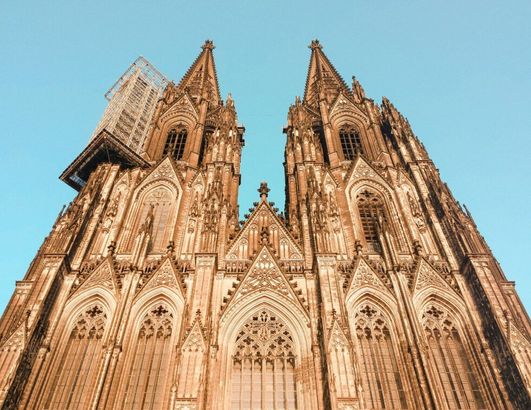
A masterpiece of Gothic architecture, this UNESCO World Heritage site is Germany’s most visited landmark, boasting stunning stained-glass windows and towering spires. Construction began in 1248 but wasn’t completed until 1880. Until 1884, the Cologne Cathedral was the tallest building in the world thanks to its towers which reach a height of over 500 feet.

Taking pride of place in the Bavarian Alps, Neuschwanstein inspired Disney’s Sleeping Beauty Castle. Commissioned by King Ludwig II of Bavaria, the castle is a masterpiece of architecture, blending Romanesque revival and Gothic style and embodies the romanticism of the 19th century.
That's all