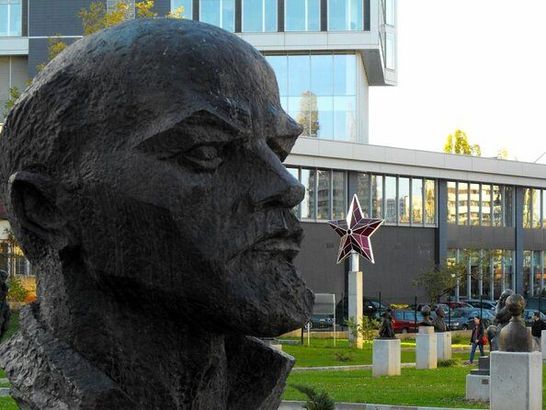
A giant red star that once crowned Bulgaria’s Communist Party headquarters and a spectacular range of Lenin statues adorn the 80,000-square-foot (7,500-square-meter) sculpture garden of Sofia’s Museum of Socialist Art. As the name would suggest, the museum showcases works from Bulgaria’s Socialist (Communist) period: 1945–1989.
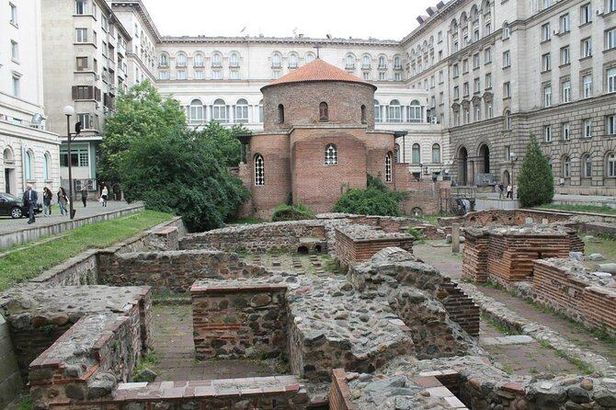
Also known as the St. George Rotunda, Sofia's early-Christian Church of St. George was originally built by Romans during the 4th century, making it one of Bulgaria’s oldest buildings. Today, the church attracts visitors with its medieval frescoes, varied architecture, and Roman-era ruins that surround it.
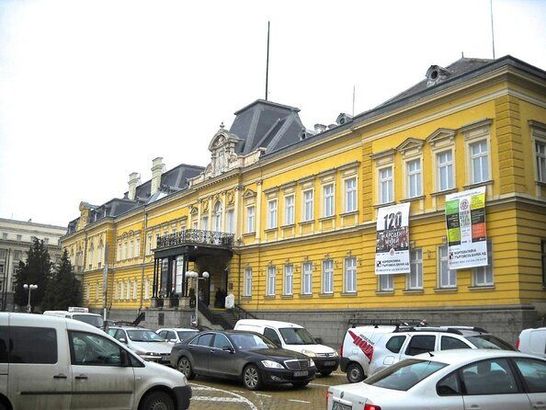
The Sofia National Gallery is Bulgaria’s largest art museum, boasting a collection of more than 42,000 pieces. First established in the early 20th century, the gallery moved into the former Royal Palace in 1946, and has since grown to several branches across Sofia, including the Kvadrat 500 and Museum of Socialist Art.
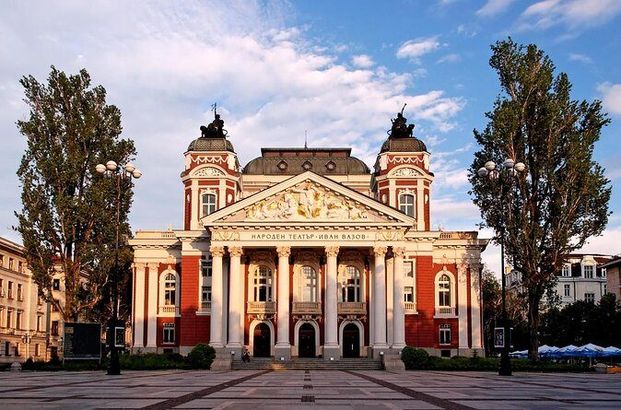
Named after one of Bulgaria’s most esteemed writers, the Ivan Vazov National Theatre has been drawing audiences since 1907. The national theater is also the country’s largest and oldest, and is known for its productions, neoclassical architecture, and history. Cementing its status as a national icon, the theater’s colonnaded façade can be seen on 50-lev banknotes.
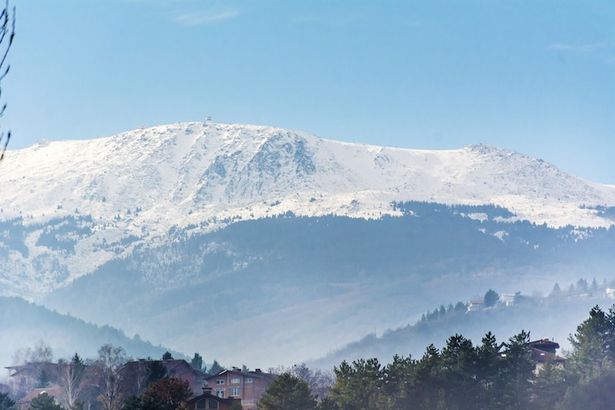
The classic dome shape of Vitosha Mountain sits close to the urban sprawl of the city of Sophia and is where people go to take a break from the city and enjoy nature. With its own ski resort, pleasant hiking routes and fantastic panoramic views of the city below, the mountain is easily accessible from the city and can be reached by bus, on foot, and ropeways.
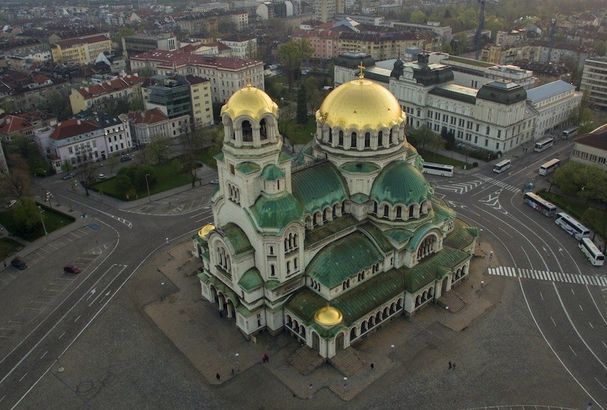
Situated in the heart of the stunning city of Sofia is the iconic symbol of Bulgaria: the Aleksander Nevsky Cathedral. Paid for by the people of the city and built between the years 1882 and 1912, the cathedral was constructed to honor the lives of the 200,000 Russian soldiers who were killed fighting in the Russo-Turkish war for Bulgaria’s freedom from the rule of the Ottomans.
That's all