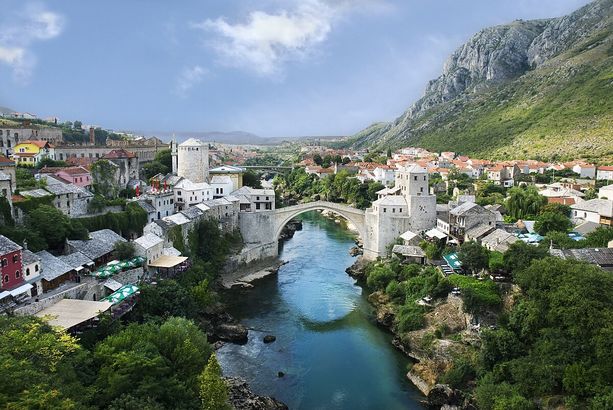
In the 1990s conflict, however, most of the historic town and the Old Bridge, designed by the renowned architect Sinan, was destroyed. The Old Bridge was recently rebuilt and many of the edifices in the Old Town have been restored or rebuilt with the contribution of an international scientific committee established by UNESCO.
Bosnaseum is the museum that Mostar has been missing, and it finally arrived. The new museum opened in May 2018 and gained popularity in the first tourist season, not least due to its convenient location, but also due to its concept. Bosnaseum primarily aims to introduce visitors to the culture of Bosnia and Herzegovina.
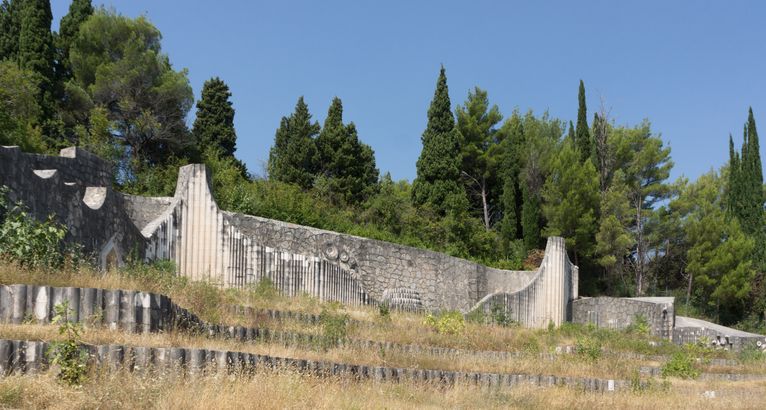
This place was created in honor of 560 Yugoslav partisans of Mostar who died during World War II. The Partisan Memorial Cemetery has a unique and eerie atmosphere. Unfortunately, the cemetery is now heavily damaged and abandoned. Despite this, it is worth taking a look at the socialist architecture of the 20th century.
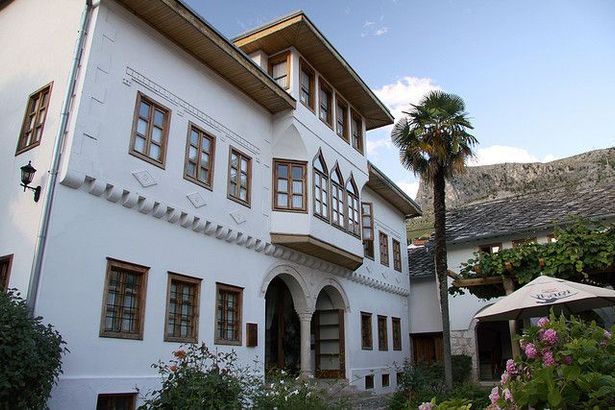
The Muslibegovic House is a national monument, museum, and hotel all rolled into one. This Bosnian-Ottoman style residential complex was built in the 18th century and features two courtyards with lush, secluded gardens. Fascinating artifacts and stunning examples of Ottoman calligraphy are displayed throughout the house. It is one of the most charming buildings in the city, and a great place to stay while in Mostar.
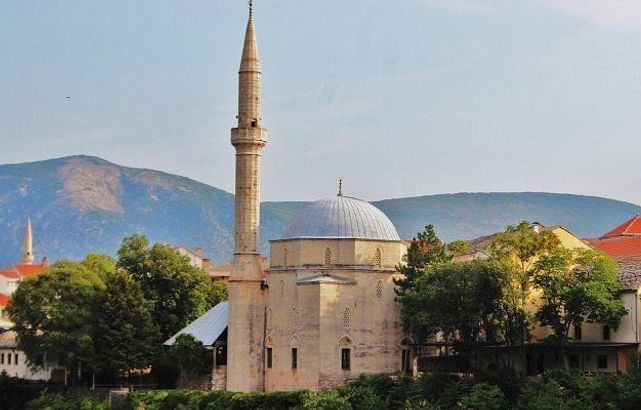
This is a wonderful example of Islamic Ottoman architecture. The mosque was designed in Istanbul and built in 1618. Its dome is painted with beautiful botanical motifs, and the colorful stained glass windows shine brightly throughout the day. Today, the mosque operates as a museum rather than a traditional place of worship, although you can still see people praying here. You can climb its minaret for a spectacular view of the Old Bridge.
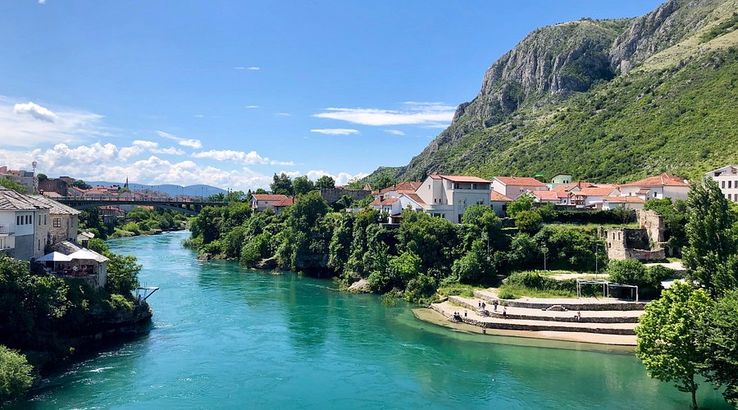
The Neretva, also known as Narenta, is one of the largest rivers of the eastern part of the Adriatic basin. Four hydroelectric power plants with large dams (higher than 15 metres) provide flood protection, electricity and water storage. The Neretva is recognized for its natural environment and diverse landscapes.
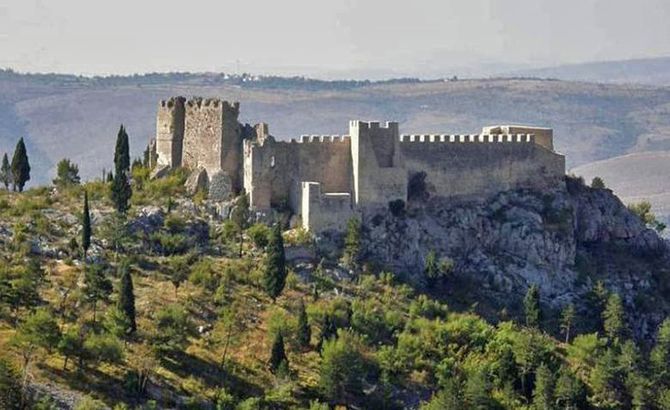
Blagaj Fortress or Old Town of Blagaj, locally known as Stjepan-grad , or Stipan-grad, in classical times Bona, is a town-fortress complex near the town of Blagaj, Bosnia and Herzegovina. The old Blagaj Fort was built on a high, inaccessible karst hill, at an elevation of 310 metres above sea level and 266 metres above the source of the river Buna.
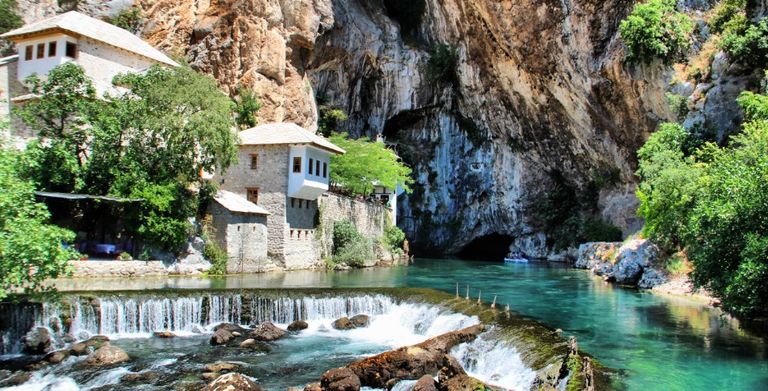
Only a short distance from Mostar, the monastery in Blagaj stuns visitors with its exquisite natural setting. The modest, Ottoman-era building sits at the base of an enormous cliff, where the Buna river seeps out from a mysterious cave and over a small crescent waterfall as it courses towards the larger Neretva. The water flowing by the monastery is a stunning hue of blue and is said to contain mystic properties.
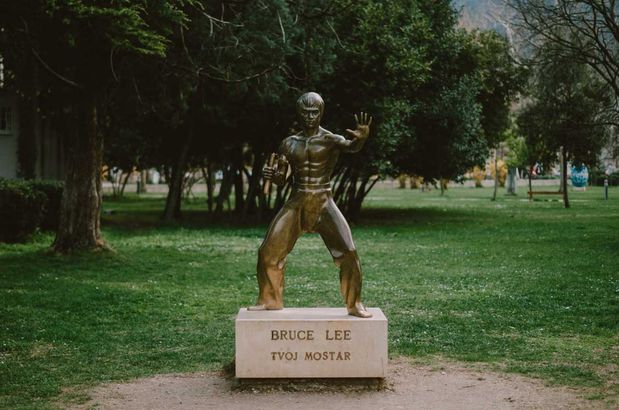
In happier times, during the 1970s and 1980s, the youth of Socialist Yugoslavia had a peculiar obsession: They absolutely devoured "kung fu" movies from Hong Kong, and their love was fueled by a steady influx of pirated VHS tapes. Bruce Lee become a cult hero, and thousands kids practiced their moves with homemade nunchaku.