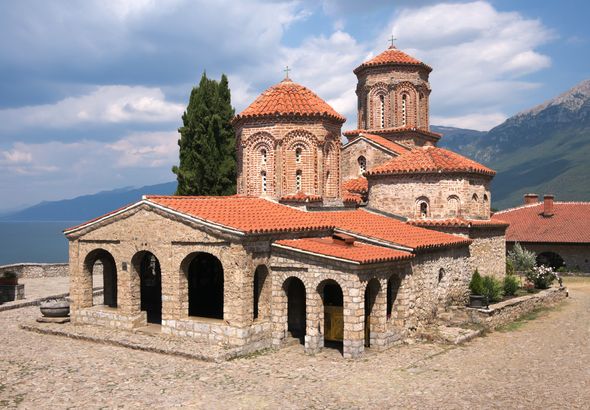
The shrine is located on the shore of the famous Ohrid Lake, 30 km from the center of Ohrid. The monastery was founded by one of the disciples of Cyril and Methodius - Naum of Ohrid around the 9th century AD. Subsequently, the relics of St. Naum were buried in the monastery.
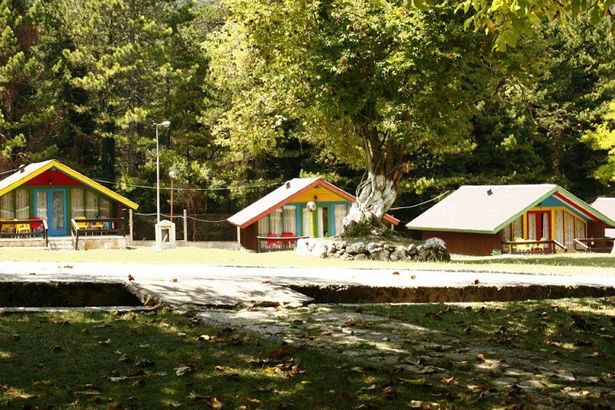
Logara Tourist Village is a mountain recreation center. Here, sika deer roam freely, and you can pet and feed them. However, it is worth keeping in mind that the deer are only released to roam freely during the high season; at the beginning of autumn, they are driven into enclosures and you will not be able to interact with them.
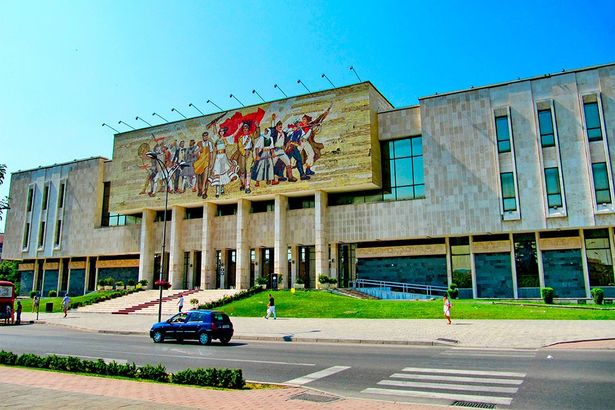
The collections of the National Museum cover different periods of the country's history - from the Paleolithic to the 20th century. During the excursion you can see: the most ancient artifacts of the Paleolithic, Bronze and Iron Ages; archaeological finds from the period of Antiquity; medieval artifacts - documents, coins, art objects, etc.; exhibits from the Renaissance; exhibits dedicated to the period of the struggle for Albania's independence and the 20th century.
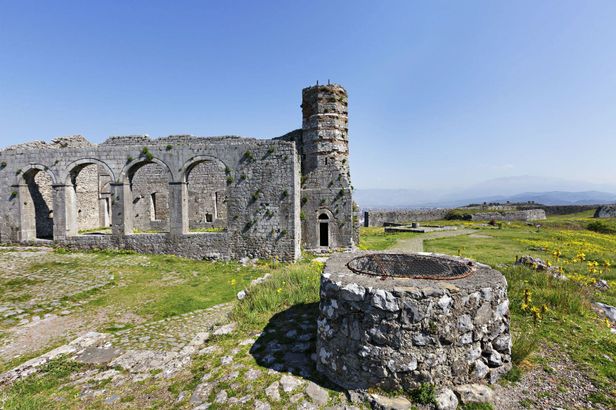
Rozafa is a classic example of a defensive structure from late Antiquity. During a walk through the courtyard of the fortress, you can see the remains of walls, warehouses and administrative buildings. There is a museum on the castle grounds, which exhibits ancient coins, ceramics and other archaeological finds.

The church attracts tourists with its architecture, reminiscent of classic Byzantine basilicas. The height of the domes reaches about 18 meters, the bell tower rises to 19 meters. The facades are decorated with colored bricks and arches, the interior is finished with marble, and the carved furniture and iconostasis are hand-made by Albanian craftsmen.

The cathedral building is designed in the neo-Byzantine style and resembles early Christian churches. The facades are decorated with decorative details, the color scheme includes shades of pink, blue and brown. The interior is also worthy of attention: the cathedral is decorated with a large carved altar, the design uses Albanian eagles - one of the main symbols of the state.
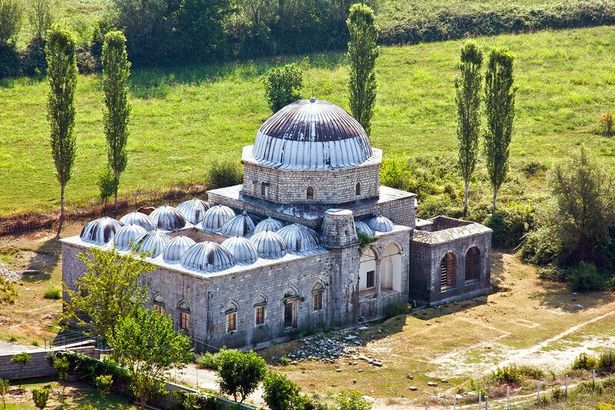
The Lead Mosque is an architectural landmark: its unusual structure without minarets but with a large number of domes distinguishes it from other religious buildings in Albania. Although the building has survived to this day in fairly good condition, due to the soft soil it is gradually sinking into the ground.

The Museum of Ethnography is located in the historical center of Gjirokastra. In 1966, a new building was built specifically to house the museum collections. It is designed in a historical architectural style and resembles the old mansions that are abundant on the streets of the city.

The exact depth of the karst spring is unknown, but it is more than 45 meters (divers were unable to go lower due to the strong pressure of the water gushing from underground). Tourists come here to admire the unusual spring: the water in its center is bright blue, and at the edges it is light blue. The picturesque surroundings of the Blue Eye are also worth attention: it is surrounded by dense oak forests.
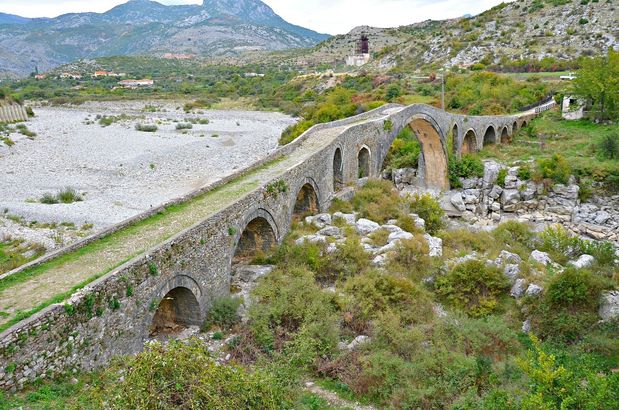
The bridge is not only an example of Ottoman architecture, but also an interesting engineering structure. Its length exceeds one hundred meters, and its width is about 3.5 meters. The builders had to use an unusual non-linear design: the bridge has a slight slope, and its right span is several meters lower than the central one. In 2010, the structure was restored, so now tourists can not only admire the picturesque structure, but also walk along the bridge or ride a bicycle.
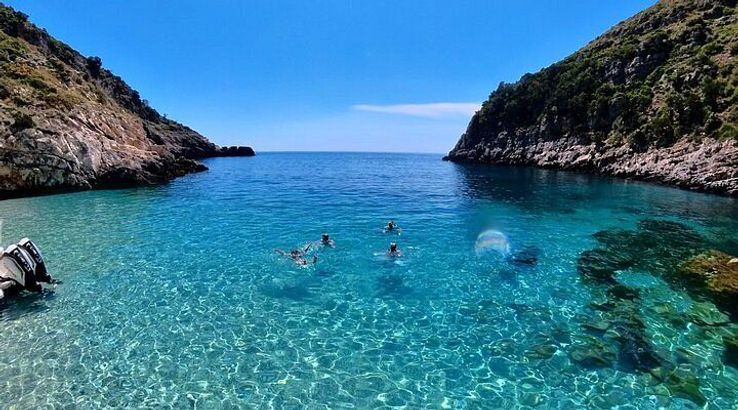
The national park is well suited for divers: during a dive you can see turtles, dolphins, sharks and other underwater inhabitants, as well as examine the remains of sunken Greek and Roman ships and military vessels that sank in the 20th century. Tourists are also offered boat and motorboat excursions.
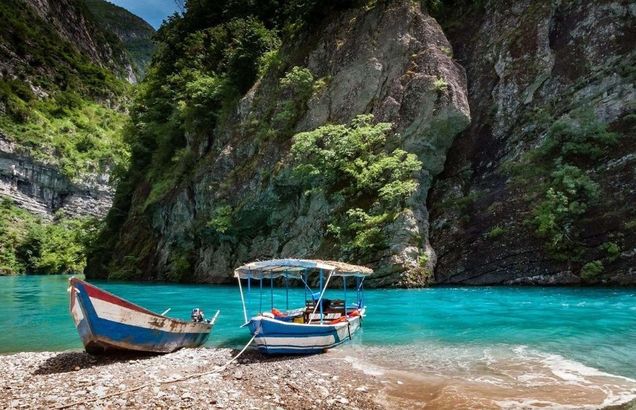
The main feature of the lake is the beautiful, forested cliffs that surround it on all sides. The rocky, jagged shores are often compared to northern fjords. In the vicinity of the lake, you can make a cycling or walking route. Boat rentals are also available for tourists, and ferries sail across the lake.
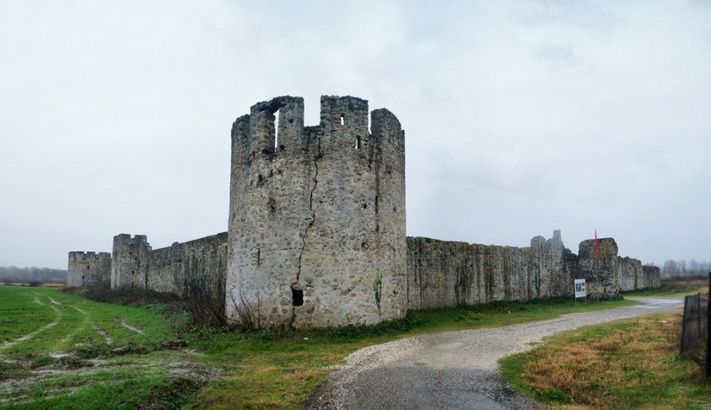
The ancient fortress of Bastova is located in the central part of the country, near the Gulf of Durres. It was founded in the 15th century by Venetian merchants who used it as a stronghold for trade. The stone fortifications have been well preserved to this day and are one of the largest tourist attractions in the region.
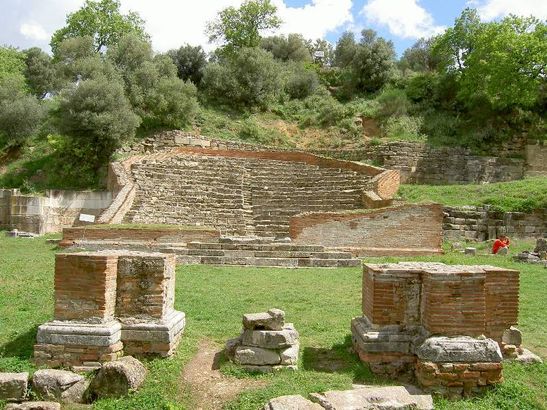
Today, the ruins of ancient Apollonia are one of the most interesting archaeological sites in the country. Here you can see large, well-preserved fragments of an ancient theater, a temple from the 6th century BC, sections of paved roads and residential buildings, baths, a well and many other objects found by archaeologists. Tourists can walk around the entire complex on their own or with a guide; entrance to the territory is paid.
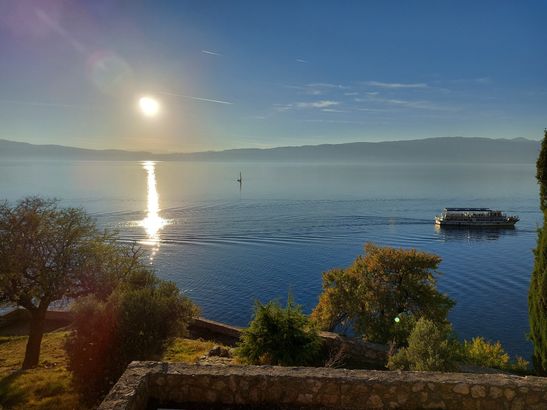
Lake Ohrid has no analogues on the entire Balkan Peninsula. Scientists call its ecosystem unique: more than 200 endemic (not found elsewhere) species live in the reservoir and its surroundings. Ordinary tourists come here to admire the picturesque landscapes, swim in the clean water and relax on the beaches. The tourist center is the city of Pogradec located on the shore.

Butrint is an ancient settlement founded in the Antiquity period: in the 7th-6th centuries BC, a Greek colony appeared here. The city flourished for over a thousand years, and managed to survive the raids of the Vandals, Goths, and Slavic tribes. In the 15th century, the settlement was abandoned. In the 1920s, archaeological excavations began on its site, during which well-preserved structures from different periods were discovered. Now there is a museum-reserve in Butrint.
That's all